

Expert Buyer’s Guide 2025: 7 Critical Factors for Your hollow brick making machine in the Middle East & SEA
December 18, 2025
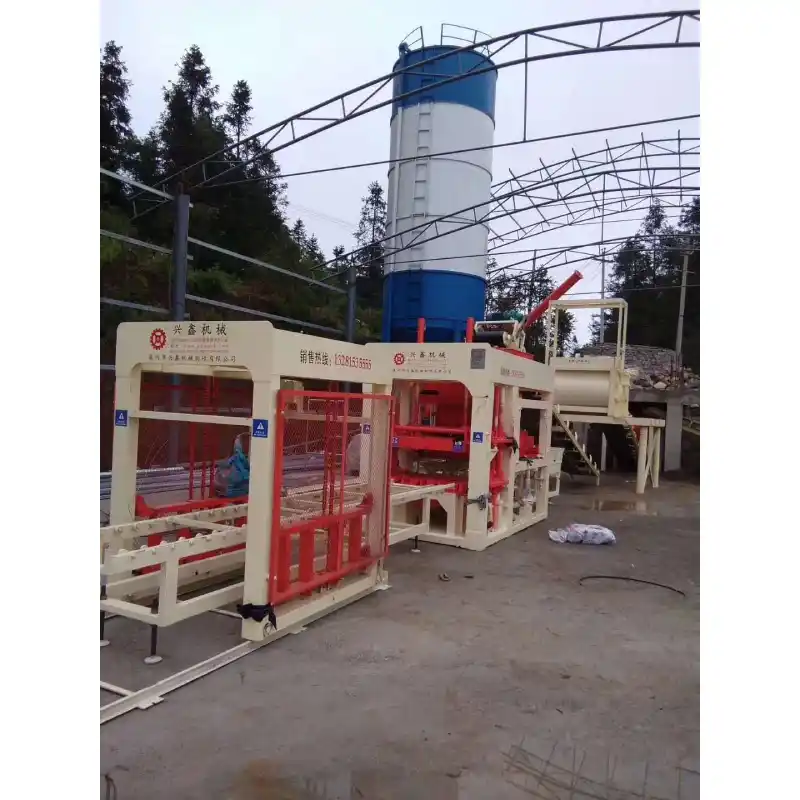
Abstract
The acquisition of a hollow brick making machine represents a significant capital investment for construction enterprises, particularly within the burgeoning markets of Southeast Asia and the Middle East. This decision-making process is contingent upon a nuanced evaluation of technical specifications, operational capabilities, and economic viability. An optimal selection requires a deep understanding of the machine's core components, such as the Programmable Logic Controller (PLC) and the hydraulic vibration system, which are determinative of block quality, production efficiency, and operational stability. The versatility of a machine, demonstrated by its capacity to produce various block types like pavers and curbstones through interchangeable moulds, is a primary driver of market adaptability and profitability. Furthermore, the analysis must extend to the total cost of ownership, encompassing not only the initial purchase price but also long-term operational expenditures, maintenance requirements, and the projected return on investment. This guide examines the critical factors that should inform the procurement of a concrete block making machine, with a specific focus on the technical and economic landscapes of these key regions.
Key Takeaways
- Analyze local raw materials to ensure compatibility with the machine's design and optimize mix ratios.
- Select the automation level (semi-automatic vs. fully automatic) that aligns with your labor costs and production scale.
- Evaluate the hydraulic and vibration systems, as they directly impact the density and strength of the final blocks.
- Choose a hollow brick making machine with versatile mould options to diversify your product offerings.
- Assess the supplier's after-sales support, including installation, training, and spare parts availability.
- Calculate the total cost of ownership and projected ROI, not just the initial machine price.
- Verify that the machine's output can meet or exceed regional building standards for compressive strength.
Table of Contents
- Factor 1: Deconstructing Your Foundation – Raw Material Analysis in the Middle East and Southeast Asia
- Factor 2: The Heart of Production – Selecting Machine Type and Automation Level
- Factor 3: Charting Your Growth – Assessing Production Capacity and Scalability
- Factor 4: The Art of Form – Mould Versatility and Product Diversification
- Factor 5: Building to Last – Durability, Maintenance, and After-Sales Support
- Factor 6: Navigating the Regulatory Landscape – Compliance with Regional Standards
- Factor 7: The Final Calculation – Total Cost of Ownership and Return on Investment (ROI)
- Frequently Asked Questions (FAQ)
- A Concluding Thought on Foundational Investments
- References
Factor 1: Deconstructing Your Foundation – Raw Material Analysis in the Middle East and Southeast Asia
Embarking upon the enterprise of block production is, in a very literal sense, an exercise in building from the ground up. The machine you choose is the heart, but the raw materials you feed it are its lifeblood. The character, quality, and cost of these materials are not uniform across the globe; they are deeply rooted in the local geology and industrial ecosystem. A successful operation in Dubai, with its abundant desert sand and limestone, will have a different material calculus than one in Vietnam, which might leverage river sand and agricultural byproducts. Therefore, the first and perhaps most foundational inquiry must be an empathetic and rigorous analysis of the materials at your disposal. A hollow brick making machine is not a one-size-fits-all solution; it is a partner in a chemical and mechanical dance, and its performance is tethered to the quality of its dance partners.
Imagine trying to bake a world-class sourdough loaf. You could have the most advanced, temperature-controlled oven on the market, but if you begin with subpar flour or impure water, the final product will inevitably betray its humble origins. The same principle governs the production of concrete blocks. The strength, density, and finish of your hollow bricks are a direct reflection of the aggregates, binders, and water you use. A machine optimized for the sharp, angular properties of crushed granite might behave differently when fed the fine, rounded particles of desert sand. Understanding this interplay is not merely a technical prerequisite; it is the cornerstone of economic viability.
The Universal Language of Aggregates: Sand, Gravel, and Crushed Stone
Aggregates form the bulk of the concrete mix, typically constituting 60% to 75% of the total volume (Kosmatka et al., 2011). They are the skeleton of the brick, providing volume, stability, and resistance to shrinkage. The type of aggregate available will profoundly influence your operational costs and the final properties of the blocks.
In the Middle East, particularly in regions like the UAE and Saudi Arabia, dune sand is plentiful. While its availability is a significant cost advantage, its fine, rounded particles can present challenges. These particles have a lower surface area-to-volume ratio, which can sometimes lead to a weaker bond with the cement paste and require a higher cement content to achieve the desired compressive strength. A high-performance hollow brick making machine, especially one with a powerful hydraulic pressing system and a synchronized vibration mechanism, becomes indispensable in this context. The immense pressure and targeted vibration are necessary to compact these fine particles tightly, reducing voids and ensuring a dense, robust block. When considering models, you might investigate how a machine like the QT10-15, which utilizes advanced hydraulic pressure, is specifically engineered to ensure high block quality even with less-than-ideal aggregate shapes .
Conversely, in many parts of Southeast Asia, such as the Philippines or Malaysia, river sand and crushed rock are more common. These aggregates are often more angular and have a better gradation of particle sizes. This is advantageous, as the interlocking nature of angular particles creates a stronger internal structure, potentially reducing the amount of cement needed. When evaluating a machine for this environment, you might focus on the efficiency of the material feeding and distribution system. A machine that can handle a well-graded mix without segregation is key to producing consistent, high-strength blocks.
Think of it this way: the rounded particles of dune sand are like a jar full of marbles, while angular crushed stone is like a jar of jagged puzzle pieces. To make the jar of marbles stable, you need to apply immense, uniform pressure to force them into a dense configuration. The puzzle pieces, however, lock together more naturally, requiring a system that ensures they are distributed evenly to create a strong, interconnected matrix.
The Rise of Industrial Byproducts: Fly Ash, Slag, and Cinder
The contemporary construction landscape is increasingly shaped by a commitment to sustainability. This is not merely an ethical consideration but an economic one. Utilizing industrial waste products as partial replacements for cement or sand can dramatically reduce costs and enhance the final product's properties.
Fly ash, a byproduct of coal-fired power plants, is a pozzolanic material. When mixed with cement and water, it reacts to form additional cementitious compounds, enhancing the long-term strength and durability of the concrete (Mehta, 2001). In countries with significant industrial activity, like parts of India or Vietnam, sourcing fly ash can be highly cost-effective. Blocks made with fly ash often exhibit improved surface finish, reduced permeability, and better resistance to chemical attacks.
Ground Granulated Blast-Furnace Slag (GGBS), a byproduct of steel manufacturing, is another valuable material. It has cementitious properties and can replace a significant portion of the Portland cement in a mix. This is particularly relevant in the growing industrial hubs of the Middle East and Southeast Asia.
When considering a machine, your inquiry should extend to its compatibility with these materials. How does the mixer handle the fine, low-density nature of fly ash? Can the feeding system accurately dose these materials? A modern concrete block making machine should be explicitly designed to work with such industrial wastes, a feature often highlighted by manufacturers who understand the regional economic pressures . The ability to use these byproducts is a direct pathway to lower production costs and a greener operational footprint.
The Binding Force: Cement Type and Quality Considerations
Cement is the glue that holds everything together. It is typically the most expensive component of the mix, so its efficient use is paramount. Ordinary Portland Cement (OPC) is the most common type used in block production. However, the quality and type can vary by region.
Your supplier should be able to provide guidance on the optimal cement grade (e.g., 32.5, 42.5, 52.5) for their machine and your local aggregates. A higher-grade cement achieves strength more rapidly, which can speed up your production cycle as blocks can be moved and stacked sooner. A lower-grade cement is cheaper but may require a longer curing time or a higher content in the mix to reach the same target strength.
The financial calculation is a delicate balance. A powerful hollow brick making machine that achieves high compaction might allow you to use a lower grade or a smaller amount of cement, saving significant costs over the long term. This is a critical question to pose to potential suppliers: "With my local aggregates, what is the minimum cement ratio your machine can use to consistently produce a 200x200x400mm hollow block with a compressive strength of 5 MPa?" Their answer will be very revealing about the efficiency of their equipment.
Water: The Unsung Hero of Concrete Mix Design
Water is the catalyst for the chemical reaction (hydration) that gives concrete its strength. The quantity and quality of water are critically important. Too much water will lead to a weak, porous block, while too little will result in an unworkable mix that cannot be properly compacted. The water-to-cement ratio is the single most important factor determining the strength of the concrete (Neville, 2011).
A fully automatic block making line, such as a QT series machine, will often include a computerized batching plant. This system uses moisture probes to measure the water content of the sand and aggregates, automatically adjusting the amount of water added to the mixer to achieve a perfectly consistent water-to-cement ratio for every single batch. This level of precision is nearly impossible to achieve manually and is a powerful argument for automation. It eliminates a major source of human error, ensuring that every brick that comes off the line is of a consistently high quality. The quality of the water itself also matters; it should be free from impurities like salts, oils, or organic matter, which can interfere with the hydration process.
By beginning your journey with a deep and localized understanding of your raw materials, you are not just performing due diligence. You are laying the very foundation upon which your entire business will be built. You are empowering yourself to ask the right questions, to evaluate machinery not on its isolated specifications, but on its capacity to perform within the unique context of your environment.
Factor 2: The Heart of Production – Selecting Machine Type and Automation Level
Having established a deep rapport with your local raw materials, the next intellectual step is to turn your attention to the machine itself—the engine of your future enterprise. The choice is not simply between one brand and another but lies on a spectrum of automation, a continuum that stretches from the hands-on labor of manual machines to the orchestrated, digital precision of a fully automatic production line. This decision is a profound one, as it will define your daily operations, your labor costs, your production capacity, and the ultimate consistency of your product. It is a choice that demands a careful weighing of capital investment against long-term operational efficiency, a calculation that is deeply sensitive to the economic realities of your specific market in the Middle East or Southeast Asia.
Let's imagine you are a conductor. A manual machine is like leading a small, local ensemble with a simple baton; it requires your constant, direct intervention to keep everyone in time. A semi-automatic machine is akin to conducting a larger orchestra with section leaders who manage their own groups, but still require your overarching cues. A fully automatic, PLC-controlled line, however, is like conducting a world-class symphony with a digital score that has been pre-programmed for perfect harmony, tempo, and dynamics. Your role shifts from direct intervention to that of a supervisor, ensuring the system performs its flawless composition.
The Spectrum of Automation: From Manual to Fully Automatic
The journey into block production can begin at several points along this spectrum. Each has its own logic and its own set of economic and operational implications.
Manual and Egg-Laying Machines: These represent the entry point into the market. Machines like the QMJ4-30 or QMJ6-30 are often termed "egg-layers" because they move across a concrete floor, "laying" blocks behind them as they go, eliminating the need for pallets . They are characterized by their low initial cost and simplicity. However, their reliance on manual labor is immense. Workers are needed to prepare the mix, feed the machine, and move the finished blocks. The quality of the blocks is heavily dependent on the skill and consistency of the operator. For a small-scale startup in a region with very low labor costs, this can be a viable entry point. Yet, the limitations in production volume and quality consistency make scaling the business a significant challenge.
Semi-Automatic Machines: This category, which includes models like the QT4-25, represents a significant step up. These machines often feature automated material-feeding and mould vibration, but still require operators for tasks like pallet feeding and moving the finished blocks to a curing area. The investment is moderate, and they offer a substantial increase in production capacity and consistency over manual machines. The use of a stationary machine with pallets allows for more controlled curing, leading to stronger blocks. This is often the sweet spot for small to medium-sized enterprises (SMEs) that are looking to balance initial investment with a respectable production output.
Fully Automatic Machines: This is the domain of the QT series, including popular models like the , QT8-15, and QT12-15. Here, the entire process—from aggregate batching and mixing to block forming, palletizing, and even cubing—is orchestrated by a central control system. Human intervention is minimal, shifting from manual labor to supervision and maintenance. The initial capital outlay is substantial, but the returns manifest in several powerful ways:
- Massive Production Volume: These machines operate with fast cycle times (often 15-25 seconds) and can run continuously with minimal downtime.
- Unwavering Consistency: Every variable, from the mix ratio to the vibration time and hydraulic pressure, is precisely controlled, resulting in blocks of uniform size, density, and strength. This is critical for meeting stringent building codes and satisfying high-end clients.
- Reduced Labor Costs: In regions where skilled labor is expensive or becoming so, such as the UAE or Singapore, the reduction in workforce requirements can lead to significant long-term savings that justify the initial investment. A line that might require 10-12 workers in a semi-automatic setup could potentially run with just 3-4 supervisors in a fully automatic configuration.
The table below provides a conceptual framework for comparing these automation levels, helping to clarify the trade-offs involved.
| Feature | Semi-Automatic (e.g., QT4-25) | Fully Automatic (e.g., QT10-15) |
|---|---|---|
| Initial Investment | Moderate | High |
| Labor Requirement | 5-8 Workers | 2-4 Workers |
| Production Capacity | Medium (e.g., ~7,000 blocks/8hr) | High to Very High (e.g., ~15,000+ blocks/8hr) |
| Product Consistency | Good; operator dependent | Excellent; machine controlled |
| Operational Control | Manual Levers / Push Buttons | PLC Touchscreen |
| Scalability | Limited | High (integrates with cubers, curing systems) |
| Ideal Market | SMEs, projects with moderate demand | Large-scale commercial production, government projects |
The Brains of the Operation: Understanding PLC Control Systems
The "fully automatic" nature of a modern hollow brick making machine is made possible by the Programmable Logic Controller (PLC). This is a robust industrial computer that acts as the central nervous system of the entire production line. Reputable machine manufacturers often partner with globally recognized PLC brands like Siemens, Schneider, or Omron, a fact they rightly highlight as a mark of quality and reliability (Qingdao HF Machinery Co., Ltd., n.d.).
A PLC-based system offers profound advantages. The entire production recipe—including material weights, mixing times, vibration frequency and duration, and hydraulic pressure settings—can be stored and recalled with a single touch on an HMI (Human-Machine Interface) screen. This means you can switch from producing hollow blocks to solid pavers with perfect parameters in seconds. The system provides real-time diagnostics, alerting operators to any faults in the system, such as a motor overload or a sensor malfunction, minimizing downtime. It allows for a level of precision and repeatability that is simply unattainable with manual controls. When you are evaluating a machine, ask to see the control interface. Is it intuitive? Is it available in your local language? Does it offer detailed fault diagnosis? The quality of the PLC system is a direct indicator of the sophistication and reliability of the machine.
The Muscle: Hydraulic vs. Mechanical Pressing Systems
If the PLC is the brain, the pressing and vibration system is the muscle. This is what compacts the concrete mix into a dense, solid form. Modern, high-performance machines overwhelmingly rely on a combination of hydraulic pressure and high-frequency vibration.
Let's demystify this. Imagine you have a box of loose, damp sand. To compact it, you could simply put a heavy weight on top (a mechanical press) or you could place a heavy weight on top while simultaneously shaking the entire box vigorously (hydraulic pressure combined with vibration). The second method will result in a far denser, more stable block of sand.
This is precisely how a superior hollow brick making machine operates.
- Hydraulic System: This system uses fluid pressure to exert immense force (often 16 MPa or more) on the mould. This is what gives the blocks their initial high density. The use of high-quality hydraulic components from brands like Yuken is a sign of a well-built machine, ensuring stable pressure and long service life.
- Vibration System: Simultaneously, powerful vibrators, usually mounted on the mould table (platform vibration) and sometimes on the press head (mould vibration), generate high-frequency vibrations (e.g., 4500-5100 r/min). This vibration causes the aggregate particles to "fluidize" momentarily, allowing them to settle into the tightest possible configuration, eliminating air voids.
The synergy between these two systems is what creates a block with superior compressive strength, excellent surface finish, and precise dimensions. When inspecting a machine, pay attention to the size of the hydraulic station and the vibration motors. A larger, more robust system is generally indicative of a more powerful and durable machine capable of producing top-tier blocks. The choice is not merely technical; it is a commitment to a standard of quality that will define your reputation in the marketplace.
Factor 3: Charting Your Growth – Assessing Production Capacity and Scalability
The heart of your block-making enterprise, the machine itself, must be chosen not only for its present capabilities but for its potential to grow alongside your ambition. The question of production capacity is not a simple one; it is a complex equation involving cycle times, mould configurations, operational efficiency, and market demand. Selecting a machine with inadequate capacity can mean lost opportunities and an inability to bid on larger, more lucrative projects. Conversely, overinvesting in a capacity that far exceeds your market's needs can lead to crippling inefficiency, with a powerful machine sitting idle. This is a strategic balancing act, one that requires foresight and a granular understanding of both the machine's technical limits and the economic landscape you intend to serve.
Think of it as choosing a delivery vehicle for a new logistics company. A small motorcycle is perfect for delivering a few documents around a city, but it cannot handle a contract to supply a supermarket. A massive semi-trailer is highly efficient for long-haul freight, but it would be a wasteful and unwieldy choice for a single pizza delivery. The goal is to select the vehicle that not only meets your current delivery needs but can also adapt as your business expands from local parcels to regional freight.
From Theory to Reality: Understanding Cycle Time and Theoretical Output
When you browse specifications for a hollow brick making machine, you will invariably encounter two key metrics: "Cycle Time" and "Production Capacity." It is vital to understand the relationship between them.
Cycle Time: This is the time, measured in seconds, that it takes for the machine to complete one full operational loop: filling the mould, vibrating and pressing the blocks, demoulding the finished blocks, and resetting for the next cycle. For fully automatic machines like the QT series, this time is typically between 15 and 25 seconds . A shorter cycle time directly translates to a higher potential output.
Production Capacity: This is the theoretical number of blocks the machine can produce in a given period, usually an 8-hour shift. This number is derived from the cycle time and the number of blocks produced per cycle (which depends on the mould).
Let's perform a simple mental exercise. Consider a QT10-15 machine with a stated cycle time of 15-20 seconds. Let's take an average of 18 seconds. An 8-hour shift has 28,800 seconds (8 hours x 60 minutes x 60 seconds).
- Theoretical Cycles per 8-hour shift = 28,800 seconds / 18 seconds/cycle = 1,600 cycles.
Now, consider a standard hollow block of 400x200x200 mm. A machine of this size might produce 10 of these blocks per cycle (or "per drop").
- Theoretical Output = 1,600 cycles x 10 blocks/cycle = 16,000 blocks per 8-hour shift.
This is the number you might see on a specification sheet. However, this is a theoretical maximum. The "real-world" output will always be slightly lower. Why? Because this calculation does not account for necessary pauses: operator shift changes, brief stops for quality checks, mould cleaning, or replenishing raw materials. A realistic operational efficiency is often around 85-90% of the theoretical maximum.
- Realistic Output = 16,000 blocks x 85% efficiency = 13,600 blocks per 8-hour shift.
When you engage with a supplier, you must press beyond the headline number. Ask them about the assumed operational efficiency in their calculations. Discuss the factors that can impact this efficiency. A transparent and experienced supplier will provide a realistic output range, not just an idealized number. The following table illustrates how different models and their specifications translate into theoretical output, providing a clearer picture of their capabilities.
| Machine Model | Cycle Time (seconds) | Blocks per Mould (400x200x200mm) | Theoretical Output (Blocks per 8-hour shift) |
|---|---|---|---|
| QT4-25 | 20-25 | 4 | 5,760 – 7,200 |
| QT5-15 | 15-25 | 5 | 7,200 – 12,000 |
| QT8-15 | 15-25 | 8 | 11,520 – 19,200 |
| QT10-15 | 15-20 | 10 | 14,400 – 19,200 |
| QT12-15 | 15-20 | 12 | 17,280 – 23,040 |
Note: Output is theoretical and depends on mix design, operator efficiency, and plant configuration. Data is synthesized from various manufacturer specifications (e.g., ).
Matching Capacity to Market Demand: Right-Sizing Your Investment
With a clear understanding of realistic output, the next step is a candid assessment of your market. In a rapidly developing urban center in the Middle East, with large-scale housing projects and infrastructure development, a high-capacity machine like a QT12-15 might be essential to compete for tenders. The ability to reliably deliver tens of thousands of blocks per day is a powerful competitive advantage.
In contrast, if you are serving a more rural market in Southeast Asia, focusing on smaller residential builds and local repairs, such a large machine might be an unnecessary expense. A semi-automatic QT4-25 or a smaller fully automatic QT5-15 could be a more prudent investment. It would provide sufficient capacity to meet local demand without the high capital cost and larger operational footprint of a top-tier machine.
The key is to conduct thorough market research. What is the average size of construction projects in your area? Who are your potential clients—large contractors, government agencies, or individual homebuilders? What is the current supply-and-demand dynamic for hollow bricks? Answering these questions will allow you to choose a machine whose production "heartbeat" is in sync with the rhythm of your market.
Planning for Tomorrow: Scalability and Production Line Integration
A wise investment considers not just the present but also the future. A hollow brick making machine should not be viewed as an isolated piece of equipment but as the central component of a potentially larger system. This is where the concept of scalability becomes paramount.
A fully automatic machine is inherently more scalable. Its PLC system is designed to communicate with other automated components. As your business grows, you can integrate ancillary equipment to further enhance efficiency and reduce labor. Consider these potential upgrades:
- Automatic Stacker/Cubing System: After the blocks are produced, a stacker automatically arranges them on pallets, and a cuber can then group these pallets into large cubes ready for transport. This eliminates the most labor-intensive part of a semi-automatic line.
- Pallet Return System: An automated line can clean and return empty pallets to the block machine, creating a continuous, closed-loop operation.
- Automated Curing System: Instead of moving pallets manually to an outdoor curing area, they can be transported via an automated system to a climate-controlled curing chamber. This accelerates the curing process, improves final block strength, and makes the operation independent of weather conditions.
When you select a machine, you are also selecting a platform for future growth. A semi-automatic machine offers limited scalability. A fully automatic concrete block machine, on the other hand, is a modular foundation. You can start with the core block machine and a simple stacker, and as profits grow, you can reinvest in a cuber, a curing system, and other enhancements. This phased approach allows your production capabilities to evolve in lockstep with your business success, ensuring that your initial investment continues to pay dividends for years to come.
Factor 4: The Art of Form – Mould Versatility and Product Diversification
A hollow brick making machine, in its essence, is a machine of transformation. It takes a humble mixture of sand, cement, and water and, through pressure and vibration, gives it a new and useful form. While its name suggests a singular purpose, the true potential of a modern machine lies in its versatility—its capacity to be a master of many forms. The mould is the soul of this versatility. It is the die that shapes not only your blocks but also your business strategy, allowing you to pivot from producing structural hollow blocks for a housing project one day to manufacturing decorative pavers for a landscaping contract the next. This ability to diversify your product line is a powerful hedge against market fluctuations and a direct route to capturing a wider share of the construction materials market.
Think of the machine's main body as a universal tool holder, and the moulds as the interchangeable bits. A drill is only as useful as the variety of drill bits you own. With only a single bit, you can only make one size of hole. With a full set, you can tackle any task, from delicate woodwork to heavy-duty masonry. Similarly, a block machine with a single mould is a one-trick pony. A machine with a portfolio of high-quality, easily interchangeable moulds is a versatile workhorse, ready to adapt to the diverse needs of your clients.
Beyond the Hollow Brick: Exploring Product Possibilities
The term "hollow brick making machine" is almost a misnomer for today's advanced equipment. It is more accurately a "concrete products machine." By simply swapping out the mould, a single machine can become a factory for a vast array of products, each catering to a different segment of the construction industry. Manufacturers often showcase this versatility as a key selling point, listing the wide range of applied products their machines can create (Hongfa Machinery, n.d.).
Let's explore this universe of possibilities:
- Hollow and Cellular Blocks: These are the bread and butter. Used for load-bearing and non-load-bearing walls, their voids reduce weight, improve thermal insulation, and provide conduits for electrical and plumbing services. They come in various sizes and void configurations.
- Solid Blocks: Denser and heavier, these are used where maximum compressive strength and sound insulation are required, such as in foundation walls or partitions between apartments.
- Paving Stones (Pavers): This is a massive market. Interlocking pavers are used for driveways, sidewalks, public squares, and patios. They come in a dizzying array of shapes (e.g., I-shape, S-shape, rectangular, hexagonal) and can be produced with a "face mix"—a thin top layer of finer, colored aggregate to create a decorative and durable surface.
- Curbstones (Kerbstones): Essential for road construction, parking lots, and landscaping, these define the edges of paved areas.
- Grass Blocks (Turf Pavers): These blocks have large voids designed to be filled with soil and planted with grass, creating a surface that is both drivable and permeable, reducing water runoff.
- Slope and Retaining Wall Blocks: These are specially designed interlocking blocks used to build retaining walls and stabilize slopes.
The ability to produce this wide range of products transforms your business model. You are no longer just a brick supplier. You become a comprehensive solution provider for the construction and landscaping industries. When a large contractor wins a bid for a new residential development, they need not only hollow blocks for the walls but also pavers for the driveways, curbstones for the roads, and solid blocks for the foundations. If you can supply all of these from a single production facility, you become an invaluable, one-stop-shop partner.
The Engineering of a Mould: Materials, Heat Treatment, and Precision
The quality of your final product is inextricably linked to the quality of your mould. A poorly made mould will produce misshapen bricks, wear out quickly, and can even damage the machine. A high-quality mould is a masterpiece of precision engineering.
Consider the forces at play. The mould must withstand immense hydraulic pressure and intense, high-frequency vibration, cycle after cycle, day after day. This requires a deep understanding of materials science and manufacturing processes.
- Material Selection: High-quality moulds are typically made from high-strength, wear-resistant steel alloys. The specific grade of steel is a critical detail.
- Manufacturing Process: The process often involves CNC (Computer Numerical Control) machining to ensure that the mould dimensions are precise to within fractions of a millimeter. This precision is what guarantees that every block is uniform, a critical factor for builders.
- Heat Treatment: This is arguably the most important step. The machined mould undergoes a series of heat treatments, such as carburizing and quenching. This process creates an extremely hard surface layer (increasing wear resistance) while maintaining a tougher, more ductile core (preventing the mould from becoming brittle and cracking under pressure). A properly heat-treated mould can have a service life of 100,000 cycles or more.
When discussing moulds with a supplier, do not be afraid to delve into these technical details. Ask about the type of steel used. Inquire about their heat treatment process. A reputable manufacturer will be proud to explain the engineering that goes into their moulds, as it is a direct testament to the quality and durability of their equipment.
The Economics of Diversification: Expanding Your Market Reach
Investing in a variety of moulds is an investment in business resilience. The construction market can be cyclical. Demand for housing blocks might be high one year, while the next year might see a boom in government-funded infrastructure projects requiring pavers and curbstones.
With a versatile hollow brick making machine and a collection of moulds, you can dynamically shift your production to meet the market's needs. This agility allows you to:
- Access Multiple Revenue Streams: You are not dependent on a single product category.
- Increase Customer Loyalty: By offering a comprehensive range of products, you become a more valuable partner to your clients.
- Maximize Machine Utilization: Even if demand for one product type wanes, you can switch production to another, keeping your machine running and generating revenue.
- Command Higher Margins: Specialized products, like decorative pavers or architectural blocks, often command a higher price and a better profit margin than standard hollow blocks.
The initial cost of additional moulds may seem like a significant expense, but it should be viewed through the lens of opportunity. Each new mould is a key that unlocks a new market segment. A machine that can wield many keys is a machine that can open many doors to profitability and long-term success.
Factor 5: Building to Last – Durability, Maintenance, and After-Sales Support
A hollow brick making machine is not a disposable commodity; it is a long-term industrial asset, a workhorse expected to perform reliably under grueling conditions for years, if not decades. Its purchase represents a significant capital commitment, and the wisdom of that investment is measured not only by its initial performance but by its endurance over time. The durability of the machine, the clarity of its maintenance requirements, and the responsiveness of the supplier's after-sales support form a trinity of factors that will ultimately determine the true lifetime value of your equipment. A machine that is built to last but is poorly maintained, or a machine that breaks down without ready access to technical support, can quickly transform from a profit center into a financial drain.
One might think of this as acquiring a high-performance vehicle. The thrill of its speed and power on the first day is undeniable. Yet, its true worth is revealed over thousands of miles. Is the chassis robust? Are the engine components made from high-grade materials? Is there a clear service schedule to follow? And, most importantly, is there a network of skilled technicians and a ready supply of parts available when an inevitable issue arises? A machine, like a car, is a dynamic system of moving parts, and its longevity is a function of both its initial build quality and a sustained commitment to its care.
The Anatomy of a Robust Machine: Frame, Steel, and Component Quality
The physical durability of a block machine begins with its skeleton: the main frame. This structure must absorb the immense and continuous forces of hydraulic pressure and vibration without flexing or fatiguing. Look for machines constructed with heavy-duty, thick-gauge steel, often specified as Q235 or a similar high-strength standard. The quality of the welds is another tell-tale sign; clean, consistent, and deep welds indicate superior craftsmanship and structural integrity. A flimsy frame will not only have a shorter lifespan but will also fail to provide the rigid platform necessary for the pressing system to produce consistent, high-density blocks.
Beyond the frame, the quality of the individual components is paramount. As discussed, the heart of the machine lies in its hydraulic and electrical systems. The collaboration with internationally recognized brands is not merely a marketing tactic; it is a form of quality assurance.
- Hydraulic Components: Look for names like Yuken for hydraulic valves or a reputable German or Italian brand for the hydraulic station. These components are engineered for precision, reliability, and a long service life under high pressure.
- Electrical and Control Components: The use of PLCs, contactors, and sensors from Siemens, Schneider, or Omron signals a commitment to stability and durability . These are brands with a global reputation for industrial-grade reliability, and their use simplifies troubleshooting and sourcing replacements, no matter where you are located.
- Motors: The motors that drive the vibration system and the hydraulic pump are the engines of the machine. A well-known brand like Siemens ensures efficiency, durability, and adherence to international electrical standards.
A supplier who is transparent about their component sourcing is a supplier who is confident in the quality of their machine. Do not hesitate to ask for a detailed component list.
The Regimen of Care: Developing a Proactive Maintenance Schedule
The most robustly built machine will falter if neglected. Maintenance is not what you do when the machine breaks; it is what you do to prevent it from breaking. A proactive maintenance schedule is a non-negotiable part of a successful block production operation. An experienced manufacturer should provide a comprehensive maintenance manual and training for your staff.
This regimen can be broken down into daily, weekly, and monthly tasks:
- Daily Checks: Before starting a shift, operators should perform a visual inspection. This includes checking hydraulic oil levels, looking for any oil leaks, ensuring all nuts and bolts are tight (vibration can loosen them over time), and cleaning any concrete residue from the mould and press head. The mould is the most critical point of contact and must be kept perfectly clean to ensure block quality.
- Weekly Tasks: This may involve more in-depth cleaning, lubricating all moving parts (such as guide pillars and conveyor bearings), checking the tension of conveyor belts, and inspecting hydraulic hoses for any signs of wear or abrasion.
- Monthly and Periodic Maintenance: This includes changing the hydraulic oil and filters (a critical step for preserving the hydraulic system), inspecting electrical connections for tightness and corrosion, and checking the wear on the mould and press head. A high-quality mould can be used for over 100,000 cycles, but it will eventually wear. Monitoring this wear allows you to plan for replacement without unexpected downtime.
A disciplined approach to maintenance is the single greatest factor within your control for extending the life of your hollow brick making machine and ensuring it operates at peak efficiency.
The Lifeline of Your Operation: Evaluating Supplier After-Sales Support
Even with perfect maintenance, issues can arise. A sensor may fail, a hydraulic seal may break, or an operator may require additional training. In these moments, the quality of your supplier's after-sales support is put to the test. This support system is your lifeline, and its strength should be a major factor in your purchasing decision.
When evaluating a supplier, consider the following dimensions of their support structure, which many professional suppliers detail explicitly (Qingdao HF Machinery Co., Ltd., n.d.):
- Installation and Commissioning: Does the supplier send their own technicians to your site to install the machine, commission the production line, and ensure it is running optimally? This is a critical service, as improper installation is a common cause of future problems.
- Operator Training: A machine is only as good as the person running it. Does the supplier provide comprehensive training for your operators, either on-site or at their facility? This should cover not just basic operation but also daily maintenance and simple troubleshooting.
- Warranty: What is the warranty period (typically one or two years), and what does it cover? A supplier who stands behind their product with a strong warranty is showing confidence in its build quality.
- Technical Support: When you have a problem, how do you get help? Is there a dedicated support line or email? How responsive are they? In the age of global connectivity, remote diagnostics, where a technician can log into your machine's PLC system to identify a fault, is becoming a powerful support tool.
- Spare Parts Availability: A machine is down until a replacement part arrives. Does the supplier provide a list of recommended wear parts to keep in stock? How quickly can they ship critical components to your location in the Middle East or Southeast Asia? A supplier with a well-organized logistics and spare parts department is an invaluable partner.
Your relationship with a supplier does not end when the machine is delivered. In many ways, it is just beginning. Choose a partner who is invested in your long-term success, one who understands that their reputation is built not just on the machines they sell, but on the enduring performance of those machines in the field.
Factor 6: Navigating the Regulatory Landscape – Compliance with Regional Standards
In the modern construction industry, a brick is not merely a brick. It is a structural component subject to a web of regulations, standards, and codes that govern its performance, safety, and environmental impact. Operating a hollow brick making machine without a deep and abiding respect for this regulatory landscape is akin to navigating a complex waterway without a map. You risk producing non-compliant materials, facing legal penalties, and damaging your business's reputation. A crucial element of your due diligence, therefore, is to ensure that a prospective machine is capable of producing blocks that consistently meet or exceed the specific standards of your target market, whether it be in Riyadh, Dubai, Ho Chi Minh City, or Manila.
This consideration transcends the machine's mechanical function; it touches upon your social license to operate. Governments and large contractors in both the Middle East and Southeast Asia are placing increasing emphasis on quality control and sustainable building practices. A producer whose blocks are certified to meet international or stringent local standards will have a significant competitive advantage. They can bid on government infrastructure projects, supply high-end commercial developments, and build a brand reputation founded on quality and reliability. Your machine is your primary tool for achieving this compliance.
Understanding Compressive Strength: ISO, ASTM, and Local Mandates
The single most important performance metric for a structural block is its compressive strength. This is the measure of the block's ability to resist downward pressure without cracking or failing. It is typically measured in megapascals (MPa) or pounds per square inch (psi). Different applications require different strengths. For example, a non-load-bearing partition wall might only require a strength of 3-5 MPa, while a multi-story load-bearing wall could demand 10 MPa or more.
International standards provide a common language for testing and specifying these strengths. The two most globally recognized are:
- ASTM C90: This is the American Society for Testing and Materials standard for load-bearing concrete masonry units. It specifies minimum compressive strengths, dimensional tolerances, and water absorption limits.
- ISO Standards: The International Organization for Standardization has numerous standards related to concrete and its components, which are often adopted or used as a basis for national standards.
While these international standards are influential, you must investigate the specific national building code in your country of operation. For example, the Saudi Building Code (SBC) or the National Structural Code of the Philippines (NSCP) will dictate the minimum required strengths for different typest of construction.
Your hollow brick making machine must be capable of producing blocks that meet these targets consistently. This capability is a direct result of the machine's design, particularly the power of its hydraulic and vibration systems. A machine that can achieve high levels of compaction is able to produce denser blocks with fewer voids, which directly translates to higher compressive strength (Nawy, 2008). When you speak with a supplier, this should be a primary line of inquiry. You should ask, "Can this machine, using my local raw materials, consistently produce a 400x200x200mm hollow block that achieves a 28-day compressive strength of 7 MPa to comply with my local building code?" A confident supplier should be able to provide test data and mix design recommendations to back up their claims.
Environmental Stewardship: Emissions and Waste Management Regulations
The global construction industry is under increasing pressure to become more sustainable. This is reflected in environmental regulations that are becoming more stringent in both the Middle East and Southeast Asia. These regulations can impact your block-making operation in several ways.
- Dust Emissions: The process of batching and mixing dry materials like cement and sand can generate significant dust. Many jurisdictions now have strict regulations on particulate matter (PM) emissions. A modern production line addresses this by incorporating a cement silo with a dust collector and enclosed conveyors and mixers to minimize the release of dust into the atmosphere.
- Waste Management: The ability to incorporate industrial wastes like fly ash or slag, as discussed in Factor 1, is not just an economic benefit but also an environmental one. It diverts these materials from landfills and reduces the consumption of virgin resources and energy-intensive cement. Some government projects may even mandate or give preference to building materials that have a certain percentage of recycled content. A concrete block making machine that is designed to handle these materials positions you as an environmentally responsible producer.
- Noise Pollution: A powerful industrial machine generates noise. Regulations in many urban and semi-urban areas limit the permissible noise levels for industrial operations, especially if they are located near residential zones. Manufacturers of modern equipment, like the QT series, often emphasize features designed to reduce working noise, such as advanced hydraulic systems and enclosed power packs .
Compliance with these environmental standards is not a burden; it is a mark of a modern, forward-thinking enterprise. It ensures good community relations and can open doors to "green building" projects that often command a premium.
Operator Safety: CE Marking and Occupational Health Standards
The well-being of your workforce is a non-negotiable ethical and legal responsibility. A safe working environment is also an efficient one. Industrial machinery poses inherent risks, and regulatory bodies have established standards to mitigate them.
One of the most widely recognized marks of safety is the CE marking. While it is a mandatory conformity marking for products sold within the European Economic Area, it has become a global benchmark for safety. A machine that is CE certified has been assessed to meet high safety, health,and environmental protection requirements. This often includes features like:
- Emergency stop buttons that are easily accessible.
- Safety guards or light curtains around moving parts to prevent accidents.
- Properly grounded and insulated electrical systems.
- Clear safety labeling and a comprehensive operation manual.
Many international suppliers will highlight that their machines are CE or ISO certified . Choosing a certified machine provides an assurance that it has been designed with operator safety as a priority. It simplifies compliance with local occupational safety and health (OSH) regulations and demonstrates a clear commitment to the welfare of your employees. This is not just about avoiding fines; it is about building a company culture rooted in respect and responsibility.
Factor 7: The Final Calculation – Total Cost of Ownership and Return on Investment (ROI)
After the deep dive into materials, mechanics, and regulations, the journey culminates in the most pragmatic of inquiries: the financial calculation. The decision to purchase a hollow brick making machine is, at its core, an economic one. However, a simplistic focus on the initial purchase price is a common and perilous error. It is like judging the cost of a car solely by its sticker price, ignoring the future costs of fuel, insurance, and maintenance. A truly wise investment decision is based on a holistic understanding of the Total Cost of Ownership (TCO) and a realistic projection of the Return on Investment (ROI). This final analysis is where the technical virtues of a machine are translated into the language of finance, revealing its true, long-term value to your enterprise.
This calculation requires a shift in perspective, from that of a buyer to that of a chief financial officer. You must account for every expense and every potential revenue stream over the machine's lifespan. It is an exercise in financial modeling that, when done diligently, provides a clear, data-driven foundation for your decision, transforming a major capital expenditure from a leap of faith into a calculated strategic move.
Beyond the Sticker Price: Unpacking the Total Cost of Ownership (TCO)
The price quoted by the supplier is only the beginning of the story. The TCO is a comprehensive financial estimate intended to help buyers determine the direct and indirect costs of a product or system. For a fully automatic concrete block making machine, the TCO includes:
-
Initial Capital Expenditure (CAPEX):
- Machine Price: The cost of the block machine itself.
- Ancillary Equipment: The cost of the batching plant, mixer, stacker, moulds, and pallets.
- Shipping and Insurance: The cost to transport the equipment from the manufacturer to your site.
- Import Duties and Taxes: These can be significant and vary greatly by country.
- Installation and Commissioning Fees: Costs associated with having the supplier's technicians set up and test the line.
- Site Preparation: The cost of constructing a suitable concrete foundation, workshop, and curing area.
-
Ongoing Operational Expenditure (OPEX):
- Raw Materials: The per-block cost of cement, sand, aggregate, and water. This is often the largest single operational cost.
- Labor: The salaries and benefits for operators, supervisors, and maintenance staff. A fully automatic line will have a much lower labor OPEX than a semi-automatic one.
- Energy: The cost of electricity to power the motors and hydraulic systems. A machine's total power rating (e.g., 26.5 kW for a QT5-15) can be used to estimate this.
- Maintenance and Spare Parts: The annual budget for routine maintenance (hydraulic oil, filters, lubricants) and the replacement of wear parts (moulds, press heads, conveyor belts).
- Land/Facility Lease: The cost of the land or building where your operation is housed.
A lower-priced machine might seem attractive initially, but if it is inefficient—requiring more cement per block, more manual labor, or frequent repairs—its TCO over five or ten years could easily surpass that of a more expensive, but more efficient and reliable, machine.
A Step-by-Step Guide to Calculating Your ROI
Return on Investment is a performance measure used to evaluate the efficiency of an investment. The basic formula is:
ROI (%) = (Net Profit / Total Investment) x 100
To calculate this for your block making operation, you need to project both your revenues and your costs. Let's walk through a simplified, hypothetical example for a medium-sized machine.
Step 1: Calculate Total Investment. This is your TCO for the first year, including all CAPEX.
- Machine & Ancillaries: $50,000
- Shipping & Taxes: $10,000
- Site Prep & Installation: $5,000
- Total Initial Investment = $65,000
Step 2: Calculate Annual Revenue.
- Realistic Daily Production: 8,000 blocks
- Operating Days per Year: 300
- Annual Production: 8,000 blocks/day * 300 days = 2,400,000 blocks
- Average Selling Price per Block: $0.25
- Annual Revenue = 2,400,000 * $0.25 = $600,000
Step 3: Calculate Annual Operational Costs (OPEX).
- Raw Material Cost: Assume $0.12 per block.
- Annual Material Cost = 2,400,000 blocks * $0.12/block = $288,000
- Labor Cost: 5 workers * $6,000/year/worker = $30,000
- Energy Cost: Estimate based on machine power, usage, and local electricity rates. Let's assume $15,000 per year.
- Maintenance & Spares: Budget 5% of machine cost annually. 5% * $50,000 = $2,500
- Other Overheads (rent, admin, etc.): $20,000
- Total Annual OPEX = $288,000 + $30,000 + $15,000 + $2,500 + $20,000 = $355,500
Step 4: Calculate Annual Net Profit.
- Annual Net Profit = Annual Revenue – Total Annual OPEX
- Annual Net Profit = $600,000 – $355,500 = $244,500
Step 5: Calculate ROI and Payback Period.
- ROI (First Year) = ($244,500 / $65,000) * 100 = 376%This is high because profit is compared to initial investment only. A more common measure is the payback period.
- Payback Period = Total Initial Investment / Annual Net Profit
- Payback Period = $65,000 / $244,500 = 0.27 years, or approximately 3.2 months.
This simplified model shows that, under these assumptions, the investment would pay for itself in just over three months. This is a very attractive proposition.
Financial Modeling: Projecting Profitability Over the Machine's Lifespan
The simple ROI calculation is a snapshot. A more sophisticated approach involves creating a financial model that projects cash flows over a 5- or 10-year period. This allows you to account for factors like:
- Depreciation of the machinery.
- Potential increases in labor and material costs.
- Financing costs if you are taking a loan.
- The replacement cost of major components, like moulds, every few years.
This level of detailed financial planning is what separates a hopeful entrepreneur from a strategic business owner. It allows you to run different scenarios. What if the price of cement increases by 10%? What if you can only sell your blocks for $0.22 instead of $0.25? How does this affect your payback period and overall profitability?
When you engage with a supplier, bring this mindset to the conversation. Ask for the data you need to populate your model: the machine's power consumption, the recommended maintenance schedule and costs, the expected lifespan of wear parts. A supplier who can provide this information and help you build a realistic financial projection is not just selling you a machine; they are partnering with you in building a profitable and sustainable business. They understand that your success is the ultimate testament to the quality and value of their equipment.
Frequently Asked Questions (FAQ)
What is the primary difference between a hydraulic and a mechanical block making machine?
The core difference lies in how they apply force to compact the concrete. A mechanical machine typically uses a clutch and flywheel system to create a stamping or tamping force. A hydraulic hollow brick making machine uses high-pressure fluid (oil) to drive a cylinder, which exerts immense, sustained pressure on the mould. Modern, high-performance machines almost exclusively use hydraulic systems, often combined with high-frequency vibration, because this method achieves much higher compaction, resulting in denser, stronger, and more uniform blocks.
How many blocks can I expect to produce in a single day?
This depends entirely on the model of the machine. A small, semi-automatic machine like a QT4-25 might produce around 4,000 to 7,000 standard hollow blocks (400x200x200 mm) in an 8-hour shift. A large, fully automatic machine, such as a QT12-15, can produce 17,000 to over 23,000 blocks in the same period. Always be sure to differentiate between the theoretical maximum output and the realistic output, which is typically 85-90% of the theoretical value.
Can I use local soil or clay in a concrete block making machine?
No, a concrete block making machine is specifically designed for a mix of aggregate (sand, gravel), a binder (cement), and water. It is not a clay brick machine. Using soil or clay will not produce a strong, durable block and can damage the machine's mould and feeding system. If your primary local material is clay, you would need to investigate a different type of machine, specifically a clay or laterite brick press.
What is the role of the PLC system in a fully automatic machine?
The PLC (Programmable Logic Controller) is the "brain" of a fully automatic line. It is an industrial computer that controls and synchronizes every part of the process, from weighing the raw materials and mixing them for a precise time, to controlling the vibration duration and hydraulic pressure. It allows for the storage of different product recipes, provides real-time diagnostics for troubleshooting, and ensures that every single block is produced with the exact same parameters, guaranteeing high consistency and quality.
What is the typical cost of a hollow brick making machine?
The price varies dramatically based on the level of automation and production capacity. A small, semi-automatic machine might cost between $6,000 and $15,000. A medium-sized, fully automatic machine (like a QT5-15) could range from $22,000 to $30,000 for the main unit. A complete, high-capacity production line with automatic batching, stacking, and cubing can cost well over $100,000. It is vital to consider the total cost of ownership, including shipping, installation, and moulds, not just the price of the machine itself.
How much space is required for a block making plant?
The required space depends on the scale of the operation. For a semi-automatic machine, you might need at least 1,500-2,000 square meters. This includes space for the machine, a covered area for raw material storage, the mixer, and a large open area for curing the blocks. A large-scale fully automatic line with automated curing chambers might require 5,000 square meters or more. Always plan for ample space for raw material delivery, block curing, and truck access for finished product dispatch.
Do I need skilled labor to operate a fully automatic machine?
You do not need a large number of skilled laborers, which is a major advantage. However, you do need a few well-trained technicians. The roles shift from manual labor to supervision and technical oversight. You will need operators who can manage the PLC control panel, understand the production process, and perform routine daily maintenance. You will also need a mechanic or technician who is trained to handle more complex maintenance and troubleshooting of the hydraulic and electrical systems.
A Concluding Thought on Foundational Investments
The selection of a hollow brick making machine is a decision that resonates through every facet of a construction materials enterprise. It is an act of translation, converting the geological and industrial realities of a region into a tangible, profitable product. It is a commitment to a certain standard of quality, a level of operational efficiency, and a vision for future growth. The process, as we have explored, is not a simple comparison of prices and specifications. It is a deep, empathetic inquiry into the interplay of materials, mechanics, regulations, and finance.
By grounding your decision in a rigorous analysis of these seven critical factors, you move beyond the role of a mere purchaser and assume the mantle of a strategist. You learn to see the machine not as an isolated object, but as the heart of a complex, living system. You understand that its value is not contained in its steel frame, but is realized in the consistent strength of the blocks it produces, in its adaptability to shifting market demands, and in its capacity to generate a return that justifies the initial faith placed in it. This methodical and holistic approach is the surest path to making a foundational investment that is not only sound and prudent but also empowering, an investment that will serve as the bedrock of a durable and prosperous business for many years to come.
References
Hongfa Machinery. (n.d.). Block machine. Hongfa Scientific Industrial and Trading Co., Ltd. Retrieved from
Kosmatka, S. H., Kerkhoff, B., & Panarese, W. C. (2011). Design and control of concrete mixtures (15th ed.). Portland Cement Association.
Mehta, P. K. (2001). Greening of the concrete industry for sustainable development. Concrete International, 23(7), 23-28.
Nawy, E. G. (2008). Concrete construction engineering handbook (2nd ed.). CRC Press.
Neville, A. M. (2011). Properties of concrete (5th ed.). Pearson.
Qingdao HF Machinery Co., Ltd. (n.d.). Block machine full automatic block maker QT5-15 hot sale. Made-in-China.com. Retrieved from
Qingdao HF Machinery Co., Ltd. (n.d.). QT series block making machine. HF Block Machine. Retrieved from