


What Types of Bricks Can a Brick Machine Produce? A Complete Guide for Industrial Buyers
enero 7, 2026
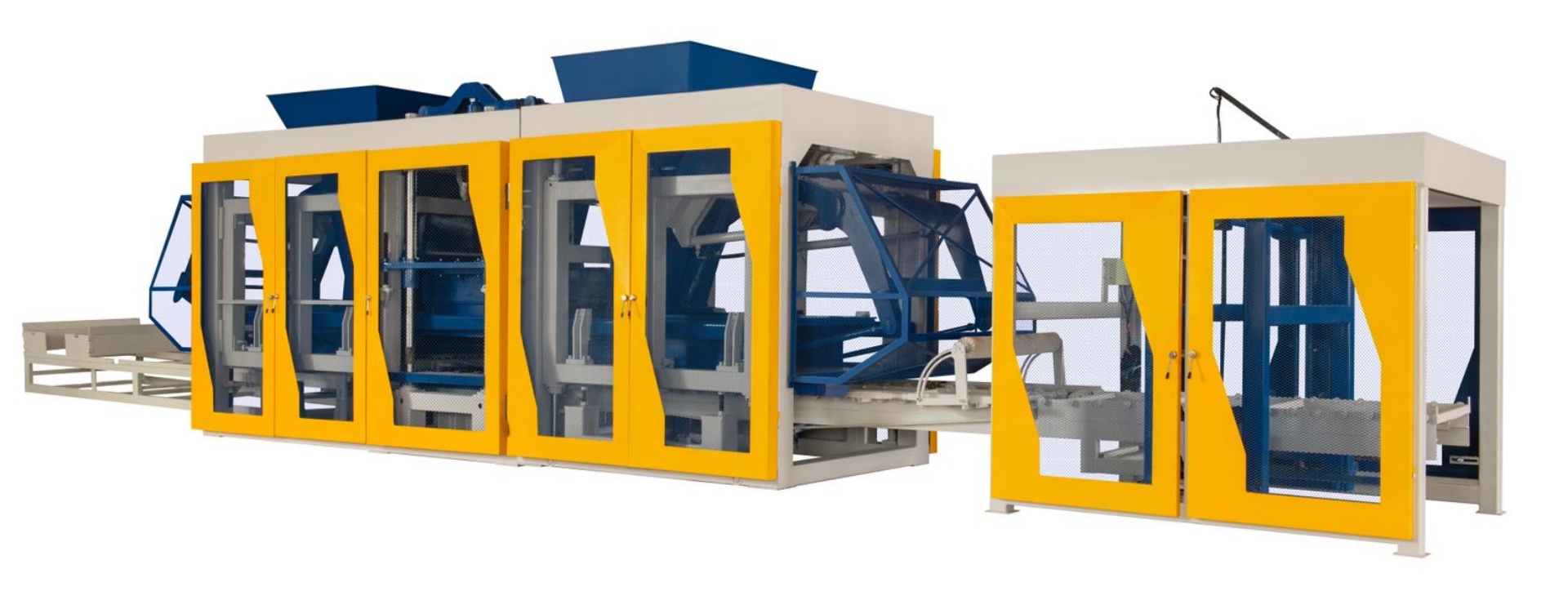
In practice, a modern brick machine can produce a wide variety of concrete and masonry products, including solid bricks, hollow blocks, paving bricks, interlocking blocks, curbstones, and customized special-shaped units. The final product range depends on mold design, machine capacity, vibration and compaction technology, and the raw materials used. For industrial buyers, understanding these product types is essential for selecting the right equipment and planning a profitable production line.
Solid Bricks for Structural and Load-Bearing Applications
Solid concrete bricks are one of the most common products manufactured by brick machines. These bricks are widely used in load-bearing walls, foundations, and structural components where high compressive strength is required.
Solid bricks are typically produced using cement, sand, and graded aggregates. High compaction pressure and uniform vibration are critical to achieve dense internal structure and consistent strength.
Manufacturers often choose a máquina para fabricar bloques for solid brick production because it allows fast mold changes and stable output while maintaining dimensional accuracy across large production volumes.
From a buyer’s perspective, solid bricks are attractive due to their broad market demand and straightforward quality control requirements.
Hollow Blocks for Lightweight Construction
Hollow blocks are designed with internal cavities that reduce weight and improve thermal and acoustic insulation. These products are commonly used in residential, commercial, and industrial buildings.
Brick machines can produce a variety of hollow block configurations, including two-hole, three-hole, and multi-cavity designs. The mold structure determines cavity shape and wall thickness, which directly affect load capacity.
A well-configured máquina de bloques ensures precise cavity formation and consistent compaction, preventing weak points that could compromise structural performance.
Hollow blocks are especially popular among industrial buyers because they reduce material consumption while meeting structural requirements, resulting in lower production costs per unit.
Paving Bricks and Interlocking Blocks
Paving bricks and interlocking blocks are widely used in roads, sidewalks, parking areas, and industrial floors. These bricks must withstand abrasion, weather exposure, and heavy loads.
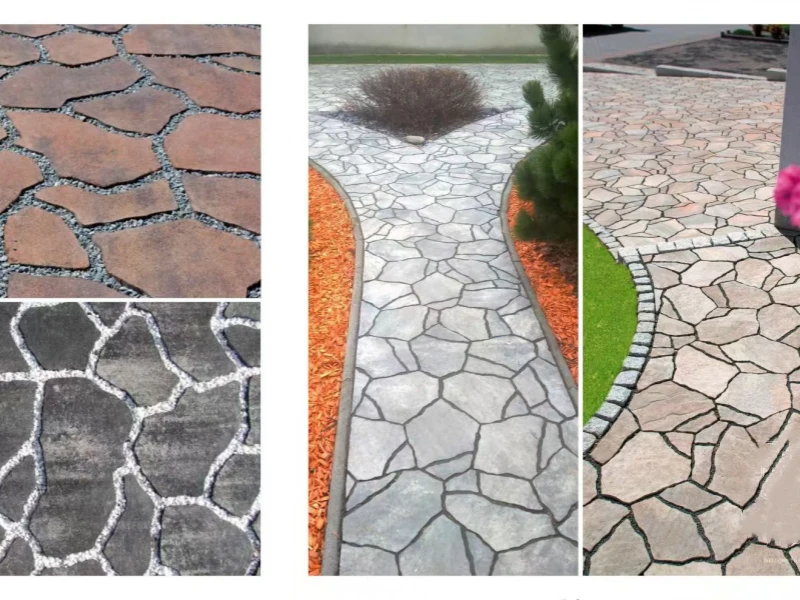
Brick machines can produce rectangular, zigzag, I-shaped, and customized paving designs by changing molds. Higher cement content and fine aggregates are often used to improve surface durability and color consistency.
A high-performance máquina de bloques de hormigón is essential for paving brick production, as it provides strong vibration and compaction to achieve high density and smooth surface finish.
For buyers targeting municipal and infrastructure projects, paving bricks offer strong margins and repeat demand.
Curbstones and Roadside Elements
Curbstones, gutters, and roadside barriers are another important product category. These components require precise dimensions and consistent strength to ensure proper installation and long-term performance.
Brick machines can produce straight, curved, and angled curbstones using specialized molds. Due to their size and weight, stable demolding and handling systems are crucial.
Curbstone production often complements paving brick lines, allowing manufacturers to serve road construction and urban development projects more comprehensively.
Special-Shaped and Customized Bricks
Beyond standard products, brick machines are capable of producing customized bricks for specific applications. These include slope protection blocks, grass planting bricks, retaining wall units, and decorative architectural elements.
Customization depends largely on mold design. Industrial buyers who serve niche markets or government projects often invest in custom molds to differentiate their product offerings.
Although custom bricks may have lower production volumes, they often deliver higher unit value and stronger customer loyalty.
Brick Types Based on Material Composition
Brick machines are not limited to shape variation. They also support different material-based brick types:
- Concrete bricks using cement and aggregates
- Fly ash bricks using industrial by-products
- Slag bricks for enhanced durability
- Recycled aggregate bricks for sustainable construction
The machine’s batching accuracy and compaction system determine how well it adapts to different material mixes.
Comparison Table: Common Brick Types Produced by Brick Machines
| Brick Type | Main Application | Material Complexity | Production Difficulty | Market Demand |
|---|---|---|---|---|
| Ladrillo macizo | Load-bearing walls | Low | Low | Alta |
| Bloque hueco | Residential & commercial walls | Medium | Medium | Very High |
| Paving Brick | Roads & pavements | Medium–High | Medium | Alta |
| Bordillo | Road infrastructure | Medium | Medium | Medium |
| Interlocking Block | Industrial flooring | Alta | Alta | Growing |
| Custom Bricks | Specialized projects | Alta | Alta | Niche |
How Buyers Should Choose Brick Types Strategically
Industrial buyers should align brick types with local market demand, available raw materials, and project requirements.
For emerging markets, solid bricks and hollow blocks often provide stable demand. Infrastructure-focused regions may prioritize paving bricks and curbstones.
Machine flexibility is another key consideration. Equipment that supports fast mold changes and multiple product types helps manufacturers adapt to changing market conditions without major reinvestment.
FAQ: Brick Types and Brick Machine Capabilities
Q1: Can one brick machine produce multiple types of bricks?
Yes. By changing molds and adjusting production parameters, one machine can produce various brick types.
Q2: Are hollow blocks weaker than solid bricks?
Not necessarily. Properly designed hollow blocks meet structural standards while using less material.
Q3: Can paving bricks be produced on the same machine as blocks?
Yes, provided the machine offers sufficient vibration force and compatible molds.
Q4: How long does it take to change molds?
Depending on machine design, mold changes typically take between 30 minutes and 2 hours.
Q5: Do different brick types affect production speed?
Yes. Complex shapes and higher compaction requirements can slightly reduce output.
About Kimberly
Kimberly provides advanced brick and block production solutions designed for industrial-scale manufacturing. With a focus on reliability, flexibility, and long-term performance, Kimberly’s equipment supports a wide range of brick types to help manufacturers expand product portfolios, control costs, and respond quickly to market demand.