


Fly Ash vs Concrete Brick Machine Differences: Which Technology Delivers Better Long-Term Value for Manufacturers?
January 16, 2026
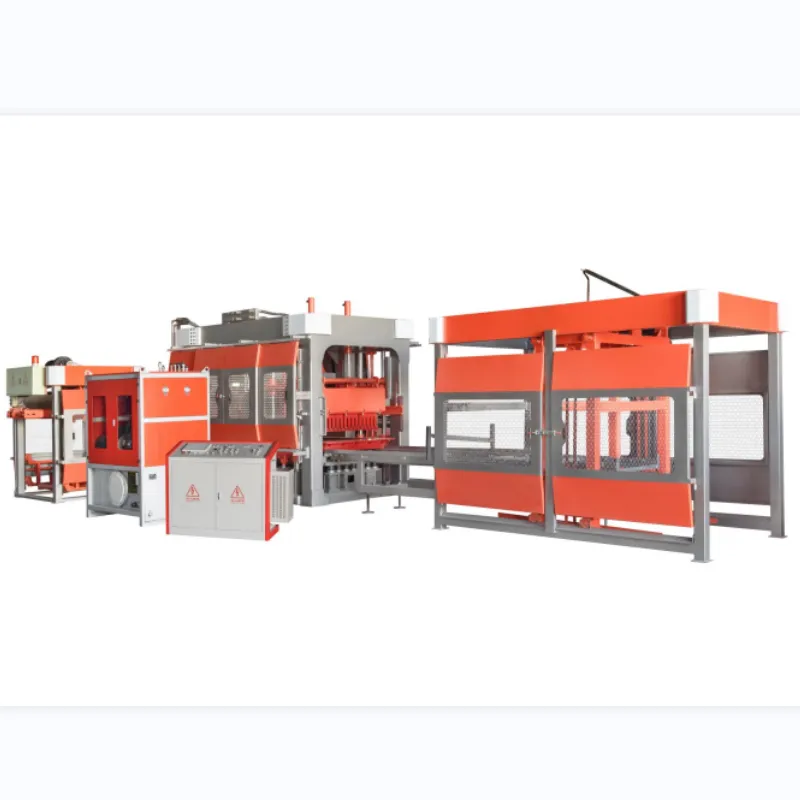
Fly ash vs concrete brick machine differences mainly come down to raw material behavior, production process control, equipment configuration, and long-term operating economics. Fly ash brick machines are designed to process fine, pozzolanic industrial by-products with lower cement content, while concrete brick machines focus on dense aggregate mixtures that prioritize compressive strength and dimensional stability. For construction material manufacturers, choosing between these two technologies is a strategic decision that affects capital investment, product positioning, sustainability goals, and market competitiveness.
This article explains the fly ash vs concrete brick machine differences from a practical manufacturing perspective, using real production scenarios to help decision-makers choose the most suitable solution.
Raw Material Characteristics and Their Impact on Machine Design
One of the most important fly ash vs concrete brick machine differences lies in the nature of the raw materials being processed. Fly ash is a fine powder generated from coal-fired power plants, with particle sizes much smaller than sand or gravel. It behaves differently during mixing, compaction, and curing.
Fly ash brick machines are engineered to handle higher moisture sensitivity and require precise batching systems to maintain consistent ratios of fly ash, lime, gypsum, and cement. Even small deviations can affect early strength development and surface quality.
Concrete brick machines, on the other hand, are designed for coarse aggregates such as sand, crushed stone, and cement. These materials allow for stronger mechanical interlocking during vibration and compression, making the process more forgiving and easier to stabilize at high output rates.
From an equipment standpoint, this difference influences feeder design, mixer type, vibration frequency, and mold structure.
Production Process and Automation Level Differences
The fly ash vs concrete brick machine differences become more apparent when comparing production workflows. Fly ash bricks rely heavily on chemical reactions during curing, particularly pozzolanic activity, which means curing time and environmental conditions play a critical role in final strength.
As a result, fly ash brick production often requires controlled curing environments and longer dwell times before bricks reach handling strength. Machines are typically paired with curing chambers or stacking systems that support gradual strength gain.
Concrete brick machines emphasize mechanical compaction and immediate demolding. With sufficient vibration and pressure, green strength is high enough for rapid stacking and pallet transfer. This allows faster cycle times and higher daily output.
For manufacturers targeting high-volume production, this operational distinction significantly influences plant layout and throughput planning.
Product Performance and Market Application Differences
Another key area where fly ash vs concrete brick machine differences matter is the performance profile of the finished bricks.
Fly ash bricks are known for:
- Smooth surface finish
- Lower water absorption
- Improved dimensional accuracy
- Reduced environmental footprint
These characteristics make them popular in residential construction, green building projects, and government initiatives promoting waste utilization.
Concrete bricks and blocks excel in:
- High compressive strength
- Load-bearing applications
- Structural walls and foundations
- Industrial and infrastructure projects
Manufacturers using a professional block making machine often prioritize durability and structural performance, especially in urban and industrial construction markets.
Understanding downstream application requirements helps buyers align machine technology with customer demand.
Equipment Configuration and Maintenance Requirements
Fly ash vs concrete brick machine differences also influence maintenance strategy and equipment longevity.
Fly ash’s fine particle size increases wear on feeding and mixing components if not properly managed. Dust control systems, sealed conveyors, and abrasion-resistant liners are often necessary to ensure stable long-term operation.
Concrete brick machines deal with heavier loads and higher vibration forces. Their frames, vibration tables, and molds are reinforced to handle repeated high-pressure cycles. Maintenance typically focuses on mechanical components rather than material buildup.
For large-scale facilities operating a fully integrated concrete block production line, preventive maintenance programs and spare parts availability become essential to avoid unplanned downtime.
Automation Compatibility and Production Scalability
Modern brick manufacturing increasingly favors automation, but fly ash vs concrete brick machine differences affect how easily systems can scale.
Concrete brick machines integrate seamlessly into automated palletizing, cubing, and packaging systems due to their fast cycle times and consistent green strength. This makes them ideal candidates for high-capacity, continuous production environments.
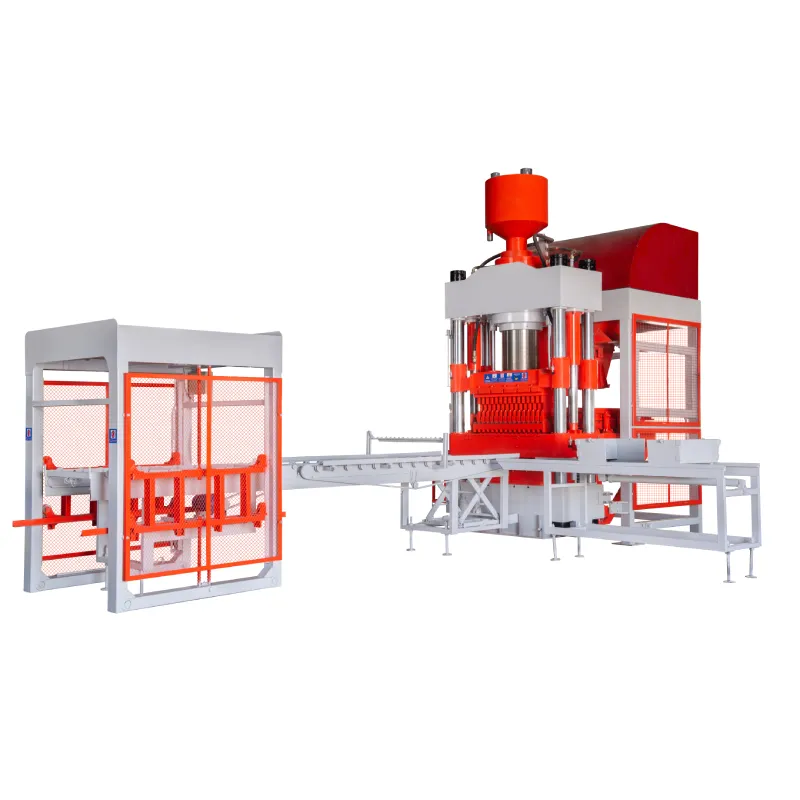
Fly ash brick machines can also be automated, especially when paired with an advanced auto brick making machine platform. However, curing logistics and material sensitivity require more careful process coordination.
Decision-makers should evaluate not only current capacity needs but also future scalability when selecting machine technology.
Comparative Overview of Fly Ash and Concrete Brick Machines
| Comparison Factor | Fly Ash Brick Machine | Concrete Brick Machine |
|---|---|---|
| Primary Raw Material | Fly ash, lime, gypsum | Cement, sand, aggregates |
| Compaction Method | Moderate pressure | High pressure and vibration |
| Curing Requirement | Longer, controlled curing | Shorter, often ambient |
| Green Strength | Lower | Higher |
| Environmental Impact | High sustainability value | Moderate sustainability |
| Typical Applications | Residential, eco-projects | Structural, industrial |
This comparison illustrates why machine selection must align with both production goals and market positioning.
If you are evaluating fly ash or concrete brick machine solutions for your plant, speak with our engineering team here: Contact Kimberly Machinery
Economic and Regulatory Considerations
From a financial perspective, fly ash vs concrete brick machine differences extend beyond equipment cost. Fly ash is often less expensive or even subsidized due to environmental regulations encouraging waste reuse. This can significantly reduce raw material costs over time.
Concrete production relies on cement, which is subject to price volatility and carbon regulation in many regions. However, concrete bricks often command higher prices in structural applications, offsetting material costs.
Manufacturers must also consider local building codes and standards. Some regions actively promote fly ash bricks, while others impose strict certification requirements for load-bearing use.
Strategic buyers evaluate not only machine price but also regulatory alignment and long-term market access.
Choosing the Right Technology Within the Broader Equipment Landscape
When evaluating fly ash vs concrete brick machine differences, it is helpful to view both options within the broader context of modern equipment categories. A structured overview of different systems is available in this guide on Types of Brick Machines, which helps buyers understand how each technology fits into overall production strategy.
This perspective prevents over-specialization and supports flexible business growth.
FAQ: Fly Ash vs Concrete Brick Machine Differences
Q1: Which machine type is more environmentally friendly?
Fly ash brick machines are generally more sustainable because they utilize industrial waste and reduce cement consumption.
Q2: Can one machine produce both fly ash and concrete bricks?
Some hybrid systems exist, but optimal performance usually requires machines specifically designed for each material type.
Q3: Which option offers higher production capacity?
Concrete brick machines typically achieve higher daily output due to faster cycle times and shorter curing requirements.
Q4: Are fly ash bricks suitable for load-bearing structures?
This depends on local standards and mix design. In many regions, fly ash bricks are approved for structural use when properly tested.
Q5: How do maintenance costs compare?
Fly ash systems may require more frequent cleaning and dust control, while concrete systems focus on mechanical wear components.
Why Manufacturers Choose Kimberly Machinery
Kimberly Machinery is a professional brick machine manufacturer committed to delivering reliable, scalable solutions for both fly ash and concrete brick production. With extensive experience across diverse material technologies, Kimberly Machinery helps customers navigate fly ash vs concrete brick machine differences with confidence.
From machine selection and plant layout design to automation integration and after-sales support, Kimberly Machinery partners with construction material producers worldwide to achieve consistent quality, efficient output, and long-term operational success.
References
- Wikipedia – Fly ash: https://en.wikipedia.org/wiki/Fly_ash
- Wikipedia – Concrete masonry unit: https://en.wikipedia.org/wiki/Concrete_masonry_unit