


特許取得済みの7つの革新的ブロックマシン:2025年 東海・中東バイヤーズガイド
9月 6, 2025
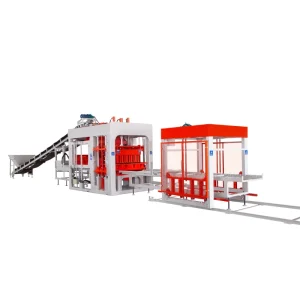
要旨
世界の建設業界は、コンクリート・ブロックの製造に顕著な影響を及ぼしながら、大きな技術的変革期を迎えている。この分析では、生産効率、製品品質、操業の持続可能性を再構築している、特許を取得した7つの極めて重要なブロック機械のイノベーションを検証する。初歩的な機械システムから洗練された自動化プラットフォームへの進化を、振動技術、インテリジェント油圧、迅速な金型交換機構の進歩に焦点を当てながら探る。さらに、IoT機能を備えた完全自動化制御システム、高効率材料バッチ処理、エネルギー回収ソリューションの統合にまで話は及ぶ。中心的な論点は、これらの特許技術の採用は、単なるオペレーションのアップグレードではなく、特に急速に発展している東南アジアや中東の市場において、メーカーにとって戦略的な必須事項であるということである。これらの技術革新が、人件費、材料不足、厳しい環境規制といった地域の課題にどのように直接対処しているかを明らかにし、最終的に生産者が優れた製品の一貫性を実現し、運営経費を削減し、厳しい市場で競争上の優位性を確保することを可能にする。これらの技術的進歩の統合は、コンクリートブロック製造におけるパラダイムシフトを意味し、よりスマートで精密、かつ持続可能な製造プロセスへと移行している。
要点
- より高いブロック密度とセメント使用量の削減のために、サーボ振動システムを採用する。
- インテリジェント油圧を採用し、エネルギー消費とメンテナンスコストを低減。
- 迅速な金型交換システムを導入し、生産ラインの汎用性を最大化する。
- 遠隔監視と予知保全のためにIoTオートメーションを統合する。
- 特許を取得したブロックマシンのイノベーションを活用し、市場で大きな優位性を獲得する。
- グリーンビルディング基準を満たすためのエネルギー回収システムに重点を置く。
- スケーラブルで将来性のあるオペレーションを実現するために、モジュール式マシン設計を選択します。
目次
- 新たな基盤2025年に特許イノベーションが重要な理由
- イノベーション1:優れた圧縮のための高度な振動技術
- イノベーション2:比例制御によるインテリジェント油圧システム
- イノベーション3:革新的な金型設計とクイックチェンジシステム
- イノベーション4:完全自動化制御システムとIoTの統合
- イノベーション5:高効率材料バッチおよびミキシング技術
- イノベーション6:エネルギー回収と持続可能な操業システム
- イノベーション7:将来の成長に向けたモジュラー設計と拡張性
- 市場に適したマシンの選択
- よくある質問(FAQ)
- 未来を築くための最後の一考察
- 参考文献
新たな基盤2025年に特許イノベーションが重要な理由
東南アジアと中東の建設事情は、野心に満ち溢れている。ジャカルタやリヤドといった都市の広大な都市開発から、各地に点在する記念碑的なインフラ・プロジェクトに至るまで、高品質の建築資材に対する需要はかつてないほど高まっている。この建設ブームの中心には、コンクリート・ブロックという基本的な構成要素がある。しかし、2025年のコンクリートブロックは、10年前のそれとは違う。経済成長の力と、構造の完全性、資源の効率性、環境の持続可能性への関心の高まりが相まって、コンクリートブロックが生まれる工場では静かな革命が起きている。
話題は単なる量から、品質、一貫性、ライフサイクル・コストといったニュアンスの議論に移っている。ブロックマシン・サプライヤーとその顧客にとって、これは生の生産量の数字を超えたところに目を向けることを意味する。それは、マシンを動かすテクノロジーへの深い探求を伴う。そこで注目されるのが、特許を取得したブロックマシンの技術革新の意義である。特許は単なる法的文書ではなく、真の新規性と従来からの逸脱を示すものです。それは、保護に値すると判断されるほどユニークで効果的な問題解決策を示すものです。特許技術に基づいて作られた機械に投資するということは、単に鋼鉄やモーターを買うということではなく、証明された競争力、古い問題を解決する新しい方法を手に入れるということなのだ。
コンクリート・ブロック1個の道のりを考えてみよう。コンクリートブロックは、骨材、セメント、水を慎重に混ぜ合わせたものから始まる。そして成型され、圧縮され、養生される。このプロセスの各段階は、潜在的な失敗のポイントであり、また潜在的な卓越性の機会でもある。伝統的な機械は、機能的ではあるが、しばしば鈍重な器具で作動することがある。その結果、ブロックの密度にばらつきが生じたり、必要以上にセメントが消費されたり、エネルギーの浪費が大きくなったり、製品の種類を切り替える際にダウンタイムが長くなったりする。特許を取得した革新的な技術は、このような問題点を正確に解決します。従来では考えられなかったレベルのインテリジェンスと制御を導入することで、ブロック製造を粗雑な芸術から精巧な科学へと変貌させるのだ。ここでは、これらの具体的かつ画期的な進歩についてご紹介します。
イノベーション1:優れた圧縮のための高度な振動技術
強靭で耐久性のあるコンクリート・ブロックを製造する中核となるのは、締固めのプロセスである。その目的は、骨材とセメント粒子を可能な限り密に配置し、空隙を最小限に抑え、均質な構造を確保することである。この作業の主な手段は振動である。長い間、その方法は単純で、金型アセンブリを激しく揺することでした。しかし、特許を取得した最新のブロックマシンの技術革新は、材料物理学についてより洗練された理解を示している。
同期振動と周波数変調の物理学
ナッツと砂を混ぜた容器を落ち着かせようとすることを想像してみてほしい。単純で無秩序な揺れでも最終的にはうまくいくかもしれないが、より知的なアプローチには、動きに変化をつけることが必要だろう。高周波数で低振幅の揺れであれば、細かい砂が下にふるい落とされるのを助けるかもしれないし、低周波数で高振幅の揺れであれば、大きなナッツが互いに寄り添うのを促すかもしれない。
これこそが、高度な振動技術の原理である。単一の一定周波数の代わりに、特許取得済みのシステムは周波数変調を利用します。機械の制御システムは、短い締固めサイクルの間に振動周波数と振幅を急速に変更することができます。コンクリートミックスを流動化させ、金型の複雑なコーナーに均等に流れ込ませるために、高い周波数でプロセスを開始することができる。その後、より低い、より強力な周波数に移行して、最大限の締め固めと粒子のインターロックを達成することができる(Zhangら、2021)。このインテリジェントな変調により、ブロックの芯から端まで、あらゆる部分が応力破壊を起こすことなく、望ましい密度に達することが保証される。
特許取得のサーボ振動システムと従来の油圧振動の比較
振動を発生させるメカニズムは、特許を取得したブロックマシンの最も重要な技術革新のひとつである。従来のマシンは、振動を発生させるために油圧モーターや偏心錘を使った機械的なシステムを使うことが多い。ある程度効果的ではあるが、これらのシステムには限界がある。反応速度が遅く、周波数の急激な変更が困難な場合が多く、エネルギー消費も大きい。
サーボ・バイブレーション・システムの登場だ。この特許取得済みのアプローチは、かさばる油圧モーターを高精度の電気サーボモーターに置き換えます。単純なオン/オフの照明スイッチと、洗練された調光器の違いを考えてみてください。従来のシステムはスイッチであり、振動するかしないかのどちらかである。サーボ・システムは調光器であり、振動の強さ(振幅)と「色」(周波数)を驚くほどの速さと精度でコントロールできる。
これらのサーボモーターは振動テーブルと直結しており、その動きはクローズドループ制御システムによって管理されている。センサーが常に振動をモニターし、コントローラーがリアルタイムで微調整を行い、出力がプログラムされたプロファイルに完全に一致するようにします。このレベルの制御は、旧来の技術では実現不可能である。その結果、成形プロセスがより効果的になるだけでなく、静音性とエネルギー効率も大幅に向上しました。
| 特徴 | 従来の油圧振動 | 特許取得のサーボ振動システム |
|---|---|---|
| 制御原理 | オープンループ、固定または限定周波数 | クローズドループ、可変周波数&振幅 |
| 応答時間 | スピードが遅く、急激な変化に対応できない | 瞬時、ミリ秒単位の調整 |
| エネルギー効率 | 油圧ポンプをより低く、一定に作動させる | より高く、エネルギーは必要なときだけ使われる |
| 騒音レベル | 高 (85-95 dB) | より低い(75~85 dB) |
| 圧縮品質 | 良いが、一貫性に欠ける | 優れた安定した密度 |
| メンテナンス | 作動油、シール、ホース | 最小限のブラシレスモーター |
ブロック密度、強度、材料節約への影響
優れた締固めが持つ実用的な意味は大きい。密度が高く均一なブロックは、本質的に強度が高い。つまり、より多くの荷重に耐えることができ、耐用年数も長くなる。メーカーにとって、この品質向上は強力なセールスポイントとなる。
おそらくビジネス的な観点でより説得力があるのは、材料節約の可能性だろう。セメントは通常、コンクリートミックスの中で最も高価な成分である。サーボ振動システムの非常に効率的な締固めにより、必要な構造強度(例えば、特定のメガパスカルまたはMPa定格)をより低い割合のセメントで達成することが可能です。8%から7%へのわずかな削減でも、1年間の生産コストを大幅に削減することができます。これらの特許取得済みブロックマシンの革新的な精度は、非効率的な締め固めを補うために過剰なセメントを使用することを防ぎます。必要な量を正確に使用することで、原材料コストを最適化しながら、安定した高品質の製品をお届けします。
イノベーション2:比例制御によるインテリジェント油圧システム
振動がブロックマシンの心臓部であるとすれば、油圧システムはその強力な筋肉である。油圧は、ブロックをプレスし、金型から剥がし、マシンのさまざまなコンポーネントを操作するために必要な大きな力を提供します。従来の油圧システムは、多くの場合、全圧か無圧かという二元的なものであった。このような総当たり的なアプローチは、単純ではあるものの、非効率的であり、機械や製品に過酷な影響を与える可能性があります。インテリジェント油圧システムの登場は、性能と精巧さの両方における飛躍的進歩を意味します。
静油圧プレス・メカニズムの解体
多くの設計、特に高密度ペーバや大型ブロックの製造では、静的油圧プレスが振動と協調して、あるいは振動の代わりに機能する。大きな油圧シリンダーがタンパーヘッドを押し下げ、型枠内のコンクリートミックスを圧迫します。この静圧は、振動の動的な力を補完し、閉じ込められた空気や水分を排出して、非常に緻密で表面が滑らかなユニットを作るのに役立ちます。
基本的なシステムの課題は、その巨大な圧力をコントロールすることだ。単純なオン/オフバルブでは、突然、衝撃的な力が加わり、有害な結果を招く可能性がある。金型が損傷したり、ブロックに内部応力が発生したり、圧力分布が不均一になったりする可能性があります。目標は、単に力を加えることではなく、インテリジェントに力を加えることです。そこで、特許を取得した制御技術が威力を発揮するのです。
精度とスピードにおける特許取得済み比例バルブの役割
現代の油圧学における画期的な進歩は、電気油圧比例弁の普及である。単純なオン/オフ弁とは異なり、比例弁は任意の位置まで開くことができ、作動油の流量と圧力を正確に制御することができます。これは、単純なスピゴットを備えた庭用ホースと、高品質の調整可能なノズルを備えたホースの違いに相当する。
これらのバルブは、インテリジェント油圧システムの重要なコンポーネントです。これらは機械の中央PLC(プログラマブルロジックコントローラ)によって制御され、複雑な圧力プロファイルを実行することができます。例えば、プレスサイクルの間、PLCは比例バルブに次のように命令します:
- 最初は優しく圧力をかけ、ゆっくりと固める。
- 最終的な締め固めを達成するために、最大圧力まで急速に上昇させる。
- その圧力を正確に持続させる。
- スプリングバック」やグリーンブロックの損傷を防ぐため、圧力をスムーズに解放する。
この一連の作業は数秒で完了し、何度でも完璧に繰り返すことができます。このレベルの精度により、すべてのブロックが同一の条件下で成形され、高さ、密度、強度の比類ない一貫性が実現します。特許取得済みのシステムには、PLCにリアルタイムでフィードバックを提供する圧力変換器も組み込まれており、コンクリート配合のわずかなばらつきさえ補正できるクローズドループシステムを構築しています。信頼できるメーカーは、このような先進的な油圧・制御システムをしばしば自社製品で紹介しています。 高性能ブロックマシン.
エネルギー効率と摩耗の低減:長期ROI分析
インテリジェント油圧システムの利点は、製品の品質にとどまりません。最も大きな利点の1つはエネルギー効率です。従来の油圧システムは、大きなモーターでポンプをフル稼働させ続け、余分な圧力はリリーフバルブで逃がすというものでした。これは、ブレーキでスピードをコントロールしながらアクセルを踏んでいるようなもので、非常に大きなエネルギーの浪費です。
インテリジェントシステムは、多くの場合ポンプモーターに可変周波数駆動装置(VFD)を組み合わせ、「オンデマンド」原理で作動します。ポンプは、任意の瞬間に必要な正確な流量と圧力のみを生成します。機械サイクルのアイドル期間中、モーターは劇的に減速し、ほとんど電力を消費しません。このようなシステムは、従来の設計と比較して、油圧ユニットのエネルギー消費を30%から60%削減できることが、研究および現場データによって示されている(Chapple, 2022)。電気代が主要な運転経費である地域では、こうした節約は利益に直接貢献する。
さらに、力をスムーズに加えることで、マシンのフレームやコンポーネント全体にかかる機械的な衝撃や振動を低減します。この "ソフトな "操作は、ピン、ブッシュ、金型自体の摩耗や損傷を最小限に抑え、サービス間隔の延長やスペアパーツの必要性の減少につながります。新しい機械の購入を評価する際には、最初の価格だけでなく、長期的な投資収益率(ROI)を見据えることが重要です。特許を取得したインテリジェント油圧システムによるエネルギー節約とメンテナンスコストの削減は、本格的な生産者にとって経済的に賢明な選択となります。
イノベーション3:革新的な金型設計とクイックチェンジシステム
金型はブロックマシンの魂です。最終製品の形、大きさ、そして最終的な品質を決定します。ブロック・マシンは、対応できる金型の種類によって汎用性が決まる。かつては、金型の交換は労働集約的で時間のかかる作業であり、生産ラインを何時間も止めてしまうこともあった。この非効率性が、多様な製品を生産する上での大きな障壁となっていた。現代の特許取得済みブロックマシンの技術革新は、材料科学と機械設計の両方の進歩により、この課題に正面から取り組んでいます。
金型耐久性における材料科学のブレークスルー
ブロック鋳型は過酷な使用に耐える。強い圧力、高周波振動、砂や骨材の研磨作用にさらされます。標準的な鋼鉄製の鋳型ではすぐに摩耗し、寸法精度が低下してブロックの品質が損なわれる。
これに対抗するため、大手メーカーは高度な冶金プロセスを採用している。重要なのは、超硬質で耐摩耗性の表面を持ちながら、割れずに振動の衝撃を吸収できる強靭で延性のあるコアを保持する金型を作ることである。いくつかの特許技術が用いられている:
- 浸炭: これは、炭素を多く含む雰囲気中で鋼型を加熱する熱処理工程である。炭素原子が鋼の表面に拡散し、焼入れ後に非常に硬い外層が形成される。
- 窒化: 炭素の代わりに窒素を使用する同様の表面硬化プロセス。多くの場合、非常に硬い表面となり、耐摩耗性と耐食性に優れている。
- 炭窒化: 浸炭と窒化の両方を組み合わせたプロセスで、硬度と靭性の優れた組み合わせを実現する。
これらの処理により、金型の寿命は未処理の金型に比べて2~3倍長くなります。これは、交換回数が減り、長期にわたってブロック寸法が安定し、全体的な所有コストが下がることを意味します。メーカーが「熱処理された」金型について語るとき、それは高品質な機械を製造するための基本である、洗練された、しばしば特許を取得したプロセスを指しています。
特許取得のクイックモールドチェンジ(QMC)機構:ダウンタイムの最小化
金型技術における真の革命は、クイック・モールド・チェンジ(QMC)システムの開発である。競争の激しい市場において、生産者は、ある日には住宅プロジェクト用の中空ブロックを製造し、次の日には造園契約用のエレガントなインターロッキングペイバーを製造するというように、機敏に切り替える必要があります。QMCシステムはこれを可能にします。
これらの特許取得済みシステムは、重い金型を手作業で取り外し、吊り上げるという面倒なプロセスを、合理化された、しばしば自動化または半自動化されたメカニズムに置き換えます。一般的な特徴は以下の通り:
- 油圧クランプ: 何十本もの大きなボルトの代わりに、金型とタンパーヘッドは強力な油圧クランプで固定され、ボタンを押すだけで着脱できる。
- ローラーベッドまたはカセットシステム: 金型は "カセット "に搭載され、機械から搬送台車に転がして取り出すことができ、次の金型を搭載した新しいカセットを転がし入れることができる。
- 自動アライメント: 高精度のガイドレールとセンサーにより、新しい金型がタンパーヘッドと完全に位置合わせされ、時間のかかる手作業による調整が不要になります。
よく設計されたQMCシステムを使えば、かつては半日かかっていた完全な金型交換が、オペレーター1人で、わずか15分から30分でできるようになる。生産性への影響は計り知れない。効率性を犠牲にすることなく、より小規模で専門的な注文に対応できるようになり、新たな収益源が開拓されるとともに、事業全体が市場の需要により迅速に対応できるようになります。
生産における多様性:標準的なブロックから複雑な舗装まで
耐久性に優れ、精密に設計された金型とQMCシステムの組み合わせは、生産の多様性の世界を解き放ちます。1台の静止油圧式ブロックプレス機が、多品種生産センターになります。金型を迅速かつ簡単に交換できるため、フルカタログの製品を提供することができます:
- 標準的な耐荷重ブロック: 住宅および商業建築の屋台骨。
- 中空の "Hourdi "ブロック: 中東でリブ付きスラブ建設に広く使用され、優れた断熱性を提供する。
- 絶縁ブロック: 金型はポリスチレンのインサートに対応するように設計することができ、エネルギー効率の高い建物のための優れた熱特性を持つブロックを作ることができる。
- インターロッキング・ペイバー 耐久性に優れ、美観を損なわない道路、車道、公共スペースを作るために、多種多様な形と色がある。
- 縁石と擁壁ブロック: 土木・造園プロジェクトに不可欠な部品。
This versatility is a significant strategic advantage. It allows a business to diversify its client base and insulate itself from fluctuations in demand within a single construction sector. A producer is no longer just a "block maker"; they are a comprehensive solution provider for the building industry.
イノベーション4:完全自動化制御システムとIoTの統合
If the mechanical and hydraulic systems are the body of a modern block machine, the control system is its brain and nervous system. The evolution from manual levers and simple relay logic to fully automated, networked systems is arguably the most transformative of all patented block machine innovations. This shift elevates the machine from a standalone piece of equipment to an intelligent hub at the center of the production process. This is particularly evident in advanced platforms like the QT series fully auto concrete block making machines.
The Brain of the Machine: PLC Advancements in QT Series Automation
The heart of any automated system is the Programmable Logic Controller (PLC). Modern PLCs are rugged, powerful computers designed specifically for industrial environments. They execute the complex sequences of operations that define the machine's cycle with microsecond precision. In a state-of-the-art block machine, the PLC is responsible for orchestrating everything:
- Controlling the automated batching plant to ensure the correct mix of materials.
- Managing the conveyor belts that transport the concrete to the machine's hopper.
- Executing the precise vibration and hydraulic pressing profiles for compaction.
- Controlling the palletizer that stacks the finished blocks for curing.
- Monitoring hundreds of sensors for temperature, pressure, position, and vibration.
The user interacts with this complex system through a Human-Machine Interface (HMI), which is typically a robust touchscreen panel. On this HMI, the operator can select recipes for different block types, monitor the production status in real-time, view alarm histories, and access diagnostic data. Patented software and user interface designs make these complex systems surprisingly intuitive to operate. An operator who was once a manual laborer becomes a skilled technician, overseeing a highly efficient process rather than physically driving it.
Remote Diagnostics and Predictive Maintenance through IoT
The next frontier in automation is the integration of the Internet of Things (IoT). By connecting the machine's PLC to the internet via a secure gateway, a world of possibilities opens up. This is not just about being able to see production numbers on your smartphone; it is about proactive and intelligent asset management.
- Remote Diagnostics: If a machine in Dubai experiences a fault, an engineer in China can securely log in to the PLC, analyze the alarm data, and diagnose the problem without ever setting foot on a plane. They can guide the local maintenance team through the repair process, dramatically reducing downtime.
- Predictive Maintenance: IoT systems can collect and analyze vast amounts of operational data. By tracking trends in motor current, hydraulic temperature, and vibration patterns, algorithms can predict when a component is likely to fail before it actually breaks. The system can then automatically generate a maintenance alert, allowing for a planned replacement during scheduled downtime, rather than an unexpected and costly production stoppage. This shifts the maintenance philosophy from "reactive" to "predictive" (Prajapati et al., 2023).
Data-Driven Production Optimization for Southeast Asian Markets
The data generated by an IoT-enabled machine is an invaluable resource for business optimization. Managers can access dashboards that show Key Performance Indicators (KPIs) like Overall Equipment Effectiveness (OEE), cycle times, material consumption, and energy usage.
By analyzing this data, a plant manager in Vietnam, for example, can identify bottlenecks in their production line. They might discover that a particular aggregate mix leads to slightly longer cycle times or that minor adjustments to the vibration profile could reduce cement consumption for a specific paver product. This allows for a process of continuous improvement, driven by hard data rather than guesswork.
For businesses operating in diverse markets like Southeast Asia, this data is also crucial for quality control and standardization. A company with plants in both Malaysia and the Philippines can ensure that the "4-inch hollow block" produced in both locations adheres to the exact same manufacturing parameters, guaranteeing consistent quality across their entire brand. This level of control and insight, enabled by patented automation and IoT solutions, is what separates the industry leaders from the followers.
イノベーション5:高効率材料バッチおよびミキシング技術
The old adage "garbage in, garbage out" is profoundly true in concrete production. No matter how advanced the block machine itself is, it cannot produce high-quality blocks from a poorly prepared, inconsistent concrete mix. Recognizing this, manufacturers have invested heavily in patented block machine innovations that focus on the crucial "front end" of the process: batching and mixing. These technologies ensure that the concrete arriving at the machine is perfectly proportioned and flawlessly homogenized, every single time.
From Volume to Weight: The Precision of Automated Batching
In simpler operations, aggregates and cement might be measured by volume—for example, using a front-end loader to scoop a certain number of buckets. This method is notoriously inaccurate. The amount of material in a "scoop" can vary significantly depending on the operator, the moisture content of the aggregate, and how compacted it is.
Modern automated batching plants replace this guesswork with the precision of gravimetric measurement, or batching by weight. The system works as follows:
- Aggregates of different sizes are stored in separate hoppers.
- Beneath the hoppers is a weigh belt or a weigh hopper mounted on highly accurate electronic load cells.
- The PLC, based on the selected block recipe, opens the gates of the aggregate hoppers one by one.
- Material flows onto the weighing system until the precise target weight is reached, at which point the gate closes.
- The same process is repeated for cement (from a silo) and any additives.
This method is orders of magnitude more accurate than volumetric batching. It ensures that the ratio of cement to aggregate is exact for every batch, which is the single most important factor in determining the final strength and cost of the concrete.
Patented Mixing Blade and Rotor Designs for Homogeneous Concrete
Once the dry components are weighed, they are transported to the mixer. The goal of mixing is to thoroughly coat every particle of sand and gravel with cement paste (cement plus water). An incomplete mix will result in weak spots and inconsistencies in the final block.
Here, patented innovations in mixer design play a vital role. The focus is on creating a forced, compulsory mixing action that leaves no part of the batch untouched. Two main types of high-efficiency mixers are common:
- Planetary Mixers: A central set of mixing stars rotates on its own axis while also revolving around the center of the mixer, much like planets orbiting the sun. This complex motion ensures that the blades cover every point in the mixer pan, eliminating any "dead zones."
- Twin-Shaft Mixers: Two horizontal shafts with specially angled paddles rotate in opposite directions, creating an intense, turbulent mixing action in the center. This is particularly effective for producing stiff, low-slump concrete mixes typical for block production in a very short amount of time.
Companies like Kobelco have developed patented rotor and blade profiles, such as their "six-wing rotor," engineered to improve material flow and reduce batch times while enhancing the quality of the mix . These designs are the result of extensive research and development, aimed at optimizing the shear and tumbling forces within the mixer to achieve perfect homogeneity faster and with less energy.
| Mixer Technology | Mixing Principle | こんな方に最適 | 主な利点 |
|---|---|---|---|
| Drum Mixer | Gravity/Tumbling | High-slump, ready-mix concrete | Simple, low cost |
| Pan Mixer | Forced, single-shaft | Mortars, smaller batches | Better than drum, but can have dead zones |
| Planetary Mixer | Forced, complex orbital motion | Colored concrete, high-end pavers | Extremely homogeneous mix, no dead zones |
| Twin-Shaft Mixer | Forced, intense counter-rotation | High-volume, low-slump block concrete | Very fast mixing cycles, high throughput |
Water-Cement Ratio Control: The Key to Consistent Quality
The final ingredient is water. The ratio of water to cement (w/c ratio) is critically important. Too much water creates a weak, porous block. Too little water results in an unworkable mix that is difficult to compact. An automated system adds water with the same precision as the other components.
The most advanced systems use a combination of a water meter for initial dosing and a microwave moisture probe installed inside the mixer. This probe measures the moisture content of the mix in real-time. The PLC can then make minute additions of water to hit the exact target w/c ratio, automatically compensating for any pre-existing moisture in the sand and aggregates. This closed-loop control over moisture is a hallmark of a top-tier system and is fundamental to achieving consistent block quality, day in and day out, regardless of whether it is a humid day in Manila or a dry day in Doha.
イノベーション6:エネルギー回収と持続可能な操業システム
As the construction industry globally faces increasing pressure to become more environmentally responsible, sustainability is no longer a niche concern but a core business requirement. This is especially true in the Middle East, with its ambitious green building initiatives, and in Southeast Asia, where resource efficiency is economically vital. Patented block machine innovations are now at the forefront of this movement, incorporating clever engineering to reduce energy consumption, minimize waste, and create a more sustainable production cycle.
Patented Hydraulic Energy Regeneration Circuits
We previously discussed how intelligent hydraulic systems save energy by operating on demand. Some of the latest patented designs take this a step further by incorporating energy regeneration. Think of how a hybrid or electric car recaptures energy during braking. A similar principle can be applied to a block machine.
During the machine cycle, there are moments when large components, like the tamper head, are lowered by gravity. In a conventional system, the hydraulic fluid is simply throttled, and this potential energy is lost as heat. In a regenerative circuit, the descending weight of the tamper head is used to drive the hydraulic pump, effectively turning it into a generator. This can be done in two ways:
- Hydraulic Accumulators: The flow generated by the descending component is used to charge a hydraulic accumulator (a vessel containing gas under pressure). This stored hydraulic energy can then be released to assist the pump during the next high-demand phase of the cycle, reducing the load on the electric motor.
- Electrical Regeneration: In highly advanced systems with electric servo-drives for hydraulic pumps, the motor can be run in reverse during braking phases, generating electricity that is fed back into the machine's power grid or stored in capacitors.
While the technology is complex, the benefit is simple: lower electricity bills. These systems can further reduce a hydraulic unit's net energy consumption, making them an incredibly attractive feature for producers in regions with high energy costs.
Waste Heat Recovery for Aggregate Curing
The production of concrete blocks involves significant energy, not just in the machine itself but also in the curing process. After being molded, the "green" blocks are typically moved to a curing chamber where they gain strength over time. This process is accelerated by controlled temperature and humidity. Often, this requires a boiler or heating system, which consumes fuel or electricity.
An innovative and sustainable approach involves capturing waste heat from other parts of the plant and using it for curing. The primary source of this waste heat is the hydraulic system. Even efficient hydraulic systems generate heat as a byproduct of their operation. Instead of dissipating this heat into the atmosphere with cooling fans, a heat exchanger can be used to transfer it to water or air. This heated water or air is then piped to the curing chamber, providing a "free" source of thermal energy to maintain the optimal curing environment. This patented block machine innovation not only saves on curing costs but also reduces the plant's overall carbon footprint.
Meeting Green Building Standards in the Middle East and SEA
The adoption of these sustainable technologies provides a crucial market advantage. Across the Gulf Cooperation Council (GCC) countries, green building rating systems like Estidama in Abu Dhabi and GSAS in Qatar are often mandatory for new projects. In Southeast Asia, systems like Singapore's Green Mark and Malaysia's Green Building Index are gaining prominence.
These rating systems award points for the use of materials that are manufactured in an energy-efficient manner and sourced from local producers who demonstrate environmental responsibility. Being able to provide documentation that your blocks are produced using machines with energy recovery, waste heat utilization, and high-efficiency drives can make your product more attractive to contractors working on these high-profile, certified green projects. It elevates your product from a simple commodity to a component of a sustainable building solution. A trusted supplier can provide insights into how their machinery aligns with these regional standards, a topic often covered when discussing their corporate philosophy and commitment to the industry.
イノベーション7:将来の成長に向けたモジュラー設計と拡張性
Purchasing a concrete block machine is a significant capital investment. A business owner must think not only about their current production needs but also about where their business will be in five or ten years. A machine that is perfectly sized for today might be a bottleneck tomorrow. This is why one of the most practical and forward-thinking patented block machine innovations is the concept of modular design. It offers a pathway for growth that is both financially manageable and technologically seamless.
The Philosophy of Modular Block Machine Architecture
Instead of designing a machine as a single, monolithic unit, a modular approach treats it as a system of interconnected, upgradeable components. The core of the system might be the pressing and vibration unit, but other functions are designed as separate modules that can be added or upgraded over time.
Think of it like building a high-end computer. You start with a good motherboard and processor (the core machine). Later, you can add a more powerful graphics card (an upgraded cubing system), more RAM (a secondary color-mix system), or a larger hard drive (an expanded curing rack system). This philosophy allows a new business to enter the market with a more modest initial investment and then scale up their capabilities as their revenue and market share grow.
Patented Interlocking Components for Easy Upgrades
The key to a successful modular system lies in the patented design of the interfaces between the modules. These are not ad-hoc additions but are planned for from the very beginning. The machine's frame will have pre-drilled mounting points, the electrical cabinet will have spare capacity and connection ports, and the PLC software will be written to easily accommodate new modules.
Examples of modular upgrades include:
- Adding a Face-Mix Unit: A business might start by producing standard, single-color blocks. Later, they can add a "face-mix" module, which is a secondary, smaller mixer and hopper system that places a thin layer of colored, fine-aggregate concrete on the top surface of the block. This allows for the production of high-value architectural pavers with a durable, vibrant surface, using expensive pigments only where they are needed.
- Automating the Palletizer/Cubing System: An initial setup might involve manually taking the pallets of green blocks from the machine. As production volume increases, a fully automatic elevator/lowerator system and a cubing robot can be added to stack the cured blocks onto shipping pallets, reducing labor needs and increasing throughput.
- Expanding the Curing System: A simple rack system can be expanded into a larger, fully enclosed, climate-controlled curing chamber to handle higher production volumes.
The patented design of these interlocking systems ensures that the upgrade process is quick and seamless, minimizing production disruptions.
Future-Proofing Your Investment: From a Single Machine to a Full Production Line
The ultimate benefit of a modular design is that it future-proofs your investment. You are not locked into the technology you buy today. As your business grows, your production line can grow with you. A single, well-chosen ブロックマシン can be the cornerstone of a fully integrated, automated production facility.
This scalability is particularly important in the dynamic markets of Southeast Asia and the Middle East. A project that starts by supplying blocks for a small residential development could, within a few years, be bidding on contracts for major infrastructure. A modular system provides the operational flexibility to make that leap. It allows a business to align its capital expenditures with its revenue growth, reducing financial risk while maintaining a clear path to becoming a larger, more capable producer. It transforms the initial purchase from a one-time expense into the first step of a long-term strategic plan.
市場に適したマシンの選択
Understanding the technology is the first step. The next is to apply that knowledge to the specific context of your business and your market. A machine that is perfect for a producer in Germany may not be the optimal choice for one in Saudi Arabia or Thailand. The climate, available raw materials, labor market, and local construction practices all play a role in making the right decision.
Assessing Project Needs in Southeast Asia: Climate and Material Considerations
The climate in much of Southeast Asia is characterized by high heat and humidity. This has a direct impact on concrete production.
- Curing: High ambient humidity can affect the drying and curing process. A machine system with a well-designed, enclosed curing chamber that allows for control over airflow and temperature can lead to more consistent strength gain and better-finished products.
- Materials: The quality and type of locally available sand and aggregate can vary. A machine with an advanced, programmable vibration system (like the servo-vibration technology discussed earlier) is highly advantageous, as it allows the operator to fine-tune the compaction parameters to suit the specific characteristics of the local materials, optimizing density and strength.
- Product Demand: The rapid urbanization in the region drives demand for a wide range of products, from high-strength structural blocks to decorative pavers for urban landscaping. A machine with a Quick Mold Change (QMC) system provides the flexibility to meet this diverse demand efficiently.
Navigating Regulations and Standards in the Middle East
The construction market in the Middle East, particularly in the GCC countries, is heavily regulated and driven by large-scale government and private sector projects.
- Thermal Insulation: With extreme summer heat, building codes increasingly mandate high levels of thermal insulation to reduce air conditioning loads. Block machines capable of producing insulated blocks (either with polystyrene inserts or by using lightweight aggregates) are in high demand.
- High Strength Requirements: Major infrastructure projects often specify very high compressive strengths for concrete products. A machine featuring a combination of powerful static hydraulic pressing and modulated vibration is essential to reliably produce blocks that meet these stringent specifications.
- Aesthetics: For the numerous high-end commercial and residential projects, the visual quality of pavers and cladding blocks is paramount. A system with a planetary mixer and a face-mix unit is almost a prerequisite for competing in this premium segment, as it allows for the production of products with rich, consistent colors and smooth, dense surfaces.
A Word on Supplier Trustworthiness and After-Sales Support
A block machine is a complex piece of equipment. The relationship with the supplier does not end once the payment is made. In fact, it is just beginning. When evaluating potential suppliers, especially from overseas, it is vital to look beyond the machine's specifications and price.
Consider the supplier's history, their engineering expertise, and their commitment to customer support. A trustworthy supplier will be transparent about their technology, provide comprehensive training for your operators, and have a robust system for providing spare parts and technical assistance. They should act as a partner, invested in your success. Exploring the background and values of a company, such as through information about their history and team, can provide confidence in this long-term relationship. The peace of mind that comes from knowing you have reliable support is an invaluable part of your investment.
よくある質問(FAQ)
What is the main difference between a static hydraulic press and a vibration-based machine?
Imagine packing a suitcase. Vibration is like shaking the suitcase to get the clothes to settle. Static hydraulic pressing is like sitting on the suitcase to squeeze everything in. A vibration-based machine uses high-frequency shaking to compact the concrete mix, which is excellent for standard blocks. A static hydraulic press uses immense, direct pressure, often combined with vibration, to achieve extremely high density, which is ideal for high-strength pavers and specialized blocks. Many advanced machines use both methods together.
How does a patented quick mold change system benefit my business?
A quick mold change (QMC) system drastically reduces the time it takes to switch from producing one type of block to another—from hours down to as little as 15-30 minutes. This allows you to accept smaller, more diverse orders without losing a whole day of production. It makes your business more agile, versatile, and able to respond quickly to different market demands, ultimately increasing your potential revenue streams.
Are fully automated QT series machines difficult to operate?
While the underlying technology is complex, the operator's experience is designed to be simple. Modern QT series machines use intuitive touchscreen interfaces (HMIs) with graphical displays. An operator doesn't need to be a programmer; they select a pre-programmed recipe for the desired block, and the machine handles the complex sequences automatically. The operator's role shifts from manual labor to process supervision and quality control. Proper training from the supplier is, of course, essential.
What is the typical ROI for a machine with these innovations?
The Return on Investment (ROI) is faster than you might think. While the initial purchase price might be higher than for a basic machine, the savings accumulate quickly. An intelligent hydraulic system can cut energy costs by 30-60%. A servo-vibration system can reduce cement usage by 5-10%. A QMC system increases billable production hours. Reduced downtime from predictive maintenance also adds to the bottom line. For a medium-to-large scale operation, the ROI period can often be as short as 18-36 months.
How do these innovations help in producing different types of blocks (hollow, solid, paver)?
The innovations work together to provide versatility. The programmable PLC and HMI allow you to store dozens of unique "recipes"—each with a specific vibration profile, hydraulic pressure setting, and cycle time tailored for a particular product. A hollow block might require a different vibration frequency than a dense paver. A QMC system allows you to swap the physical mold quickly, and the control system allows you to instantly load the correct manufacturing parameters for that new product.
Can I use recycled materials in these advanced block machines?
Yes, and this is a growing trend. Many advanced machines are capable of processing mixes that include recycled materials like crushed concrete aggregate (RCA) or fly ash (a byproduct of coal power plants). The key is the machine's ability to adapt. The programmable vibration and pressing systems can be adjusted to handle the different densities and characteristics of these recycled materials, ensuring a high-quality final product while contributing to a circular economy.
これらの機械にはどのようなメンテナンスが必要ですか?
All machines require maintenance, but modern designs aim to make it easier and more predictable. Daily maintenance involves cleaning and visual inspection. Weekly or monthly tasks might include checking hydraulic fluid levels and lubricating moving parts. The real advantage of innovations like IoT integration is predictive maintenance. The system alerts you to potential issues before they cause a breakdown, allowing you to schedule repairs during planned downtime, which is far more efficient than reacting to unexpected failures.
未来を築くための最後の一考察
The journey through the world of patented block machine innovations reveals a clear narrative: the future of construction material manufacturing is intelligent, precise, and sustainable. The choice to invest in a machine equipped with advanced vibration, intelligent hydraulics, and full automation is more than an operational upgrade; it is a strategic decision to align your business with the demands of the modern construction landscape. In the dynamic and ambitious markets of Southeast Asia and the Middle East, success will belong to those who can deliver consistent quality, operate with maximum efficiency, and demonstrate a commitment to sustainability. These technologies are not just about making blocks; they are about providing the foundational elements for the cities and infrastructure of tomorrow. They are the tools that will enable you to build a stronger business and, quite literally, to build the future.
参考文献
Chapple, P. (2022). Hydraulic system design for energy efficiency. Industrial Press.
コベルコスチュワートボーリング社(2025年)。製品KSBI.から取得 https://www.ksbi.com/products/
Prajapati, A., Tiwari, A. K., & Ojha, S. (2023). IoT-based predictive maintenance and condition monitoring of industrial machines: A review. Materials Today: Proceedings, 80(Part 3), 3629–3635.
Zhang, B., Tan, H., Shen, W., Zhang, T., & Ma, G. (2021). Experimental study on the effect of vibration parameters on the performance of dry-cast concrete for 3D printing. Cement and Concrete Composites, 124, 104237.