


利益への7つのステップ:建設廃材からエコレンガを作るための究極の2025年ガイド
8月 28, 2025
要旨
The escalating crisis of construction and demolition (C&D) waste, particularly in rapidly urbanizing regions like Southeast Asia and the Middle East, presents a significant environmental and economic challenge. This document examines a viable and profitable eco-bricks from construction waste solution, which transforms C&D debris into durable, sustainable building materials. The analysis outlines a comprehensive framework, beginning with the characterization and sourcing of waste materials and progressing through the technical stages of processing, mixing, and manufacturing. A central focus is placed on the pivotal role of advanced machinery, such as fully automatic concrete block making machines and static hydraulic presses, in ensuring the quality and consistency of the final product. By exploring the material science, engineering principles, and economic models underpinning this process, this work demonstrates how C&D waste can be effectively upcycled. This approach not only mitigates landfill pressure and reduces carbon emissions associated with traditional material production but also creates a new value chain, offering a compelling business case for sustainable development in the construction sector.
要点
- Evaluate local C&D waste streams to secure a consistent raw material supply.
- レンガの強度と品質を最適化するために、廃棄物を均一な骨材に加工する。
- 効率と信頼性を追求した高性能ブロック製造機をお選びください。
- 建設廃材からの正確なエコ煉瓦を開発し、一貫性を保つための配合を行う。
- 建設業界の基準を満たすため、厳格な品質管理試験を実施する。
- 市場に受け入れられるよう、現地の建築基準法や認証をナビゲートする。
- 建設会社とのパートナーシップを確立し、需要パイプラインを構築する。
目次
- ステップ1:無駄と機会という2つの現実を把握する
- Step 2: The Art and Science of Sourcing C&D Waste
- ステップ3:瓦礫を精製資源に変える
- ステップ4:プロセスの錬金術的核心-ミックスの調合
- ステップ5:創造のエンジン、適切なブロック製造マシンを選ぶ
- ステップ6:製造のシンフォニー-生ミックスから硬化エコブリックまで
- ステップ7:信頼の醸成-品質管理、認証、市場への浸透
ステップ1:無駄と機会という2つの現実を把握する
The narrative of modern development, especially in the dynamic landscapes of the Middle East and Southeast Asia, is often told in skylines of steel and glass. Yet, beneath this story of progress lies a less celebrated subplot: a relentless accumulation of construction and demolition (C&D) waste. Every new tower that rises and every old structure that falls leaves behind a legacy of rubble—concrete, bricks, wood, metal, and glass. Traditionally, this material has been seen as a burden, an expensive and logistically complex problem to be buried in ever-expanding landfills. This perspective, however, is beginning to feel profoundly outdated, a relic of a less resourceful era. The challenge of waste management is simultaneously an invitation for innovation. What if this rubble is not an end but a beginning? We are standing at a pivotal moment where we can re-imagine this debris not as waste, but as a primary resource for a new generation of building materials. This conceptual shift is the foundation of the eco-bricks from construction waste solution.
拡大する問題地域の視点
In regions undergoing rapid economic expansion, the scale of C&D waste is staggering. Consider the ambitious urban projects across the Gulf Cooperation Council (GCC) countries or the sprawling metropolitan growth in nations like Indonesia, Vietnam, and the Philippines. These developments are resource-intensive, consuming vast quantities of virgin materials like sand, gravel, and cement. The production of these materials carries a heavy environmental toll, from quarrying and habitat destruction to the immense energy consumption and carbon dioxide emissions of cement manufacturing. The construction industry is a major contributor to global carbon emissions, a fact that governments and corporations can no longer ignore.
At the same time, landfill capacity is a finite and shrinking resource. In densely populated or geographically constrained areas, finding space for waste is a growing crisis. The economic costs are not trivial; landfill tipping fees, transportation expenses, and the long-term environmental liability of waste dumps represent a significant drain on municipal and corporate finances. This economic pressure creates a powerful incentive to find alternative pathways for C&D waste. The question is no longer if we should recycle, but how we can do so in a way that is not just environmentally responsible, but also economically compelling. This is where the eco-bricks from construction waste solution emerges as a profoundly logical and timely business model.
開かれた機会循環型経済モデル
The core proposition is elegantly simple: transform a costly liability into a valuable asset. An eco-brick, at its essence, is a construction block manufactured using processed C&D waste as its primary aggregate, bound together with a reduced amount of cement or other binding agents. This is not a compromise on quality; when produced correctly with sophisticated machinery, these eco-bricks can meet or even exceed the performance standards of their traditional counterparts made from virgin materials. They offer excellent compressive strength, good thermal insulation, and durability.
The economic argument is twofold. First, on the input side, your primary raw material—crushed concrete, brick, and tile—is available at a low, or in some cases, negative cost. Demolition companies and construction sites often pay to have this “waste” hauled away. By positioning your operation as a recycling facility, you can potentially charge a tipping fee for accepting this material, creating a revenue stream before you even produce a single brick. Second, on the output side, you are producing a high-demand product: building blocks. The same construction boom that generates the waste also generates a ceaseless demand for materials to build with. By offering a “green” alternative that is competitively priced, you tap directly into this market. This creates a closed-loop, or circular, economic system within the local construction ecosystem. You are not just a manufacturer; you are a solutions provider, addressing the industry’s waste problem while simultaneously supplying its material needs. This is the heart of a successful eco-bricks from construction waste solution.
伝統的なアプローチと環境に優しいアプローチの比較
この変化を十分に理解するためには、直接比較することが有効だ。採掘、製造、使用、廃棄という従来の直線モデルを考えてみよう。採石場で石や砂を採掘し、工場で化石燃料を燃やしてセメントを製造し、それを工場に運んでブロックを作り、そのブロックを建築物に使用し、その建築物が解体されると瓦礫は埋立地に運ばれる。それぞれの段階で資源が消費され、汚染が発生する。建設廃材からのエコ煉瓦ソリューションの円形モデルは、この線を断ち切り、円形に曲げる。
| 特徴 | 伝統的な粘土/コンクリート・レンガ | Eco-Bricks from C&D Waste |
|---|---|---|
| 主要原材料 | バージン粘土、頁岩、砂、砂利 | Processed C&D waste (concrete, brick) |
| 資源への影響 | 高い(採石、生息地の損失) | 低い(廃棄物の転換、埋立地の保全) |
| カーボンフットプリント | 高い(セメント製造、キルン焼成) | 大幅な低減(セメント含有量の低減) |
| インプット・コスト | バージン骨材の市場価格 | 低~マイナス(潜在的なチップ料金) |
| 廃棄物管理 | Does not address C&D waste | Provides a direct solution for C&D waste |
| マーケット・ポジショニング | 商品 | “Green” product with a sustainability story |
| 規制の調整 | ますます厳しくなる | グリーンビルディング義務に沿ったもの |
この表は単に相違点を列挙しているのではなく、21世紀の優れたビジネスモデルの輪郭を描いている。資源の枯渇から脱却し、資源スチュワードシップへと向かう道筋を示している。このチャンスは、単にレンガを作ることではなく、都市をどのように建設するかという根本的な変革の最前線に立つことなのだ。
Step 2: The Art and Science of Sourcing C&D Waste
The adage “garbage in, garbage out” is nowhere more true than in the manufacturing of eco-bricks. The quality and consistency of your final product are inextricably linked to the quality and consistency of your input materials. Therefore, establishing a robust and reliable supply chain for C&D waste is not a preliminary administrative task; it is a strategic cornerstone of your entire operation. This step requires a blend of logistical planning, relationship building, and a basic understanding of material science. A successful eco-bricks from construction waste solution depends entirely on what you feed into it.
情報源を特定する瓦礫探し
主なターゲットは、建設と解体活動の震源地だ。大きく考えよう。新しい高速道路、空港、複合商業施設といった大規模なインフラ・プロジェクトは、コンクリートを中心とした比較的均一な廃棄物を大量に発生させるため、理想的な供給源となる。古い建物や橋、舗装の解体現場も、原料の金鉱である。
重要なのは、門に届くものを何でも受け取る受動的な立場から、廃棄物発生プロセスにおける能動的なパートナーへと移行することである。これには以下が含まれる:
- 人間関係を築く: 解体業者、大手建設会社、自治体の廃棄物管理部門と直接提携を結ぶ。自社のサービスを単なるゴミ捨て場としてではなく、価値ある提案として捉えよう。埋立地に代わる、より費用対効果が高く、環境に配慮した選択肢を提供することができる。もしかしたら、少しでも安い処分料や、より柔軟な収集スケジュールを提供できるかもしれない。このような関係は、あなたの供給ラインです。
- 地域をマッピングする 地方自治体の計画ポータルサイト、建設業界のニュース、ネットワークを活用し、今後予定されている大型プロジェクトを特定する。次の大きな解体や建設プロジェクトがどこで行われるかを知ることで、関係者と積極的に関わり、廃棄物の流れを事前に確保することができる。
- 情報源を多様化する ひとつの大きなプロジェクトに依存するのはリスクが高い。完成したらどうなるのか?より健全な戦略には、供給源のポートフォリオが必要である。つまり、進行中の大規模プロジェクトと、住宅改修や小規模な建設現場からの安定した小規模投入をミックスすることである。このように多様化することで、より安定した原料の流れを確保することができる。
クリティカル・ファースト・ソート現場でのトリアージ
The most efficient place to begin sorting C&D waste is at the source—the demolition or construction site itself. Contamination is the enemy of a good eco-brick. Materials like plastic, wood, gypsum (drywall), asbestos, and excessive amounts of soil or organic matter can compromise the chemical reactions in the cement binder and the structural integrity of the brick.
パートナーである解体業者と協力し、現場での分別を奨励する。きれいなコンクリートや石材用、金属用(スクラップとして売却できるため、新たな収益源となる)、木材用、非リサイクル品混合用といった具合に、材料ごとに杭を分けるだけでよい。この最初のトリアージによって、自社施設での清掃と選別の負担が劇的に軽減され、処理コストが下がり、原料の品質が向上する。パートナーシップ契約の一環として、ラベル付き容器を提供したり、作業員に基本的なトレーニングを行うこともできる。このような積極的な調達アプローチは、建設廃材からのエコレンガのソリューションの特徴である。
素材の特性評価:すべての瓦礫が同じとは限らない
材料がお客様の施設に到着したら、より詳細な特性評価が必要です。お探しの主な成分は、不活性鉱物廃棄物です。これには以下が含まれます:
- コンクリートだ: これは理想的な材料である。強靭で安定性があり、粉砕すると粗い表面を持つ優れた骨材となり、新しいセメントペーストとよく接着する。
- レンガと石積み: 焼成粘土レンガやその他の石積みユニットも優れている。硬く、耐久性に優れ、粉砕してよく砕けた粒子になる。
- タイルとセラミック: 破砕機には摩耗しやすいかもしれないが、これらも使用できる。
- アスファルトだ: 破砕アスファルトは、少量であれば配合できることもあるが、アスファルト分がセメントの水和を妨げることがある。慎重な試験と配合が必要である。
The composition of the waste will vary by region and by the age and type of the demolished structure. A modern office building will yield a lot of high-quality concrete. An older residential house might have more brick and wood. Understanding the typical composition of C&D streams in your specific market—be it Riyadh, Dubai, Kuala Lumpur, or Manila—is vital. This knowledge will inform the design of your processing line and the formulation of your eco-brick mix. For example, if your region’s waste is predominantly concrete, your crushing and screening setup can be optimized for that material.
ステップ3:瓦礫を精製資源に変える
The journey from a heap of broken concrete and twisted rebar to a precise, usable aggregate is a mechanical and transformative process. This is where raw C&D waste is engineered into the consistent, high-quality feedstock that your block making machines require. This stage is less about brute force and more about controlled, systematic reduction and classification. An effective eco-bricks from construction waste solution hinges on the quality of this transformation. Think of it as a refinery for rubble, where you are separating the valuable components and grading them for a specific purpose. This process typically involves several key phases: primary crushing, separation, secondary crushing, and screening.
最初の故障一次破砕
The raw C&D waste that arrives at your facility will be in various shapes and sizes, from large slabs of concrete to smaller chunks of brick. The first step is to reduce this material to a more manageable size. This is the job of the primary crusher.
A ジョークラッシャー is often the workhorse for this stage. Imagine a giant mechanical jaw with one fixed plate and one moving plate. As the moving plate swings, it compresses the material against the fixed plate, breaking large pieces into smaller ones. Jaw crushers are robust and excellent at handling the highly variable and often abrasive nature of C&D waste. They can break down large, unwieldy pieces of concrete, even those with some rebar embedded within them. The goal of primary crushing is not to produce the final aggregate size, but to prepare the material for the subsequent stages of separation and finer crushing. It is the first, crucial step in taming the raw debris. Companies like provide a range of crushing solutions suitable for this initial processing phase.
偉大なる分離汚染物質の除去
最初の粉砕の後、材料は小さくなるが、まだコンクリート、金属、その他の潜在的な汚染物質が混在している。今こそ浄化の時である。粉砕された材料は通常、ベルトコンベアで運ばれ、そこでいくつかの分離技術が適用される:
- 磁気分離: 強力なオーバーバンドマグネットがコンベアベルトの上に吊り下げられています。破砕された原料がベルトコンベアの下を通過する際、磁石が鉄筋やメッシュなどの鉄系金属を取り除きます。これは重要なステップです。金属を取り除くことで、下流の装置(二次クラッシャーなど)を損傷から守り、骨材を浄化します。また、回収された金属スクラップは売却可能な貴重な商品であり、収益を増加させます。
- 空気の分類: Lighter materials like wood, plastic, and paper fragments can be removed using an air classifier or “winnower.” A strong current of air is blown across the falling stream of material. The heavier mineral aggregates fall straight down, while the lighter contaminants are blown aside and collected separately.
- 手動ピッキングステーション: 自動化システムは非常に効率的であるが、最終的な手作業によるチェックは不可欠であることが多い。ピッキング・ステーションは、コンベヤーの高台に設置され、作業員が手作業で、大きなプラスチック片、ゴム片、頑固な木片など、自動化システムが見落とした目に見える残りの汚染物質を取り除くことができる。このような手作業により、骨材の純度を可能な限り高く保つことができる。
製品の精製二次破砕と三次破砕
ほとんどの汚染物質が取り除かれ、きれいになった原料を、高品質のブロックを作るために必要な特定の粒径まで小さくする必要がある。これが二次クラッシャー、場合によっては三次クラッシャーの役割である。
- インパクト・クラッシャー これらの機械は、圧縮ではなく高速衝撃を利用する。ハンマーまたはブローバーを備えたローターが材料を叩き、自然の亀裂線に沿って粉砕します。インパクト・クラッシャーは、ブロック製造に理想的な、より立方体で形の良い骨材を製造するのに優れています。立方体の形状は、粒子のかみ合わせを良くし、表面をコーティングするセメントペーストの量を少なくすることができるため、コストの削減と強度の向上につながります。
- コーンクラッシャー 高強度コンクリートや川の小石のような非常に硬く研磨性の高い材料には、コーンクラッシャーがよく使用されます。振動するマントルと固定されたボウルライナーの間で材料を粉砕します。コーンクラッシャーは、高い減速比と優れた製品形状制御を提供します。
The choice between an impact and a cone crusher depends on the specific characteristics of your C&D waste and the final product specifications you want to achieve. The goal is to produce a range of particle sizes, often referred to as a “well-graded aggregate.”
ファイナルカット審査と分類
処理ラインの最終段階はスクリーニングである。精製された骨材は、メッシュサイズの異なる一連の振動スクリーンにかけられます。振動スクリーンは基本的に、粒子をサイズ別に選別する大きなふるいです。
典型的なセットアップには、大きな開口部を持つ上部スクリーンがあり、過大なサイズの材料(二次クラッシャーに戻して再度通過させることができる)をすくい取り、中間スクリーンが粗骨材(例えば10~20mm)を分離し、下部スクリーンが細骨材(例えば0~5mm)を分離する。
By separating the aggregate into different size fractions, you gain complete control over the composition of your eco-brick. You can now blend these different fractions in precise proportions, just like a baker measures flour, sugar, and salt. This control over the particle size distribution is what allows you to engineer a brick with specific properties like high density, low water absorption, and optimal compressive strength. This refined, classified material is no longer “waste”; it is a high-specification recycled aggregate, the key ingredient for your eco-bricks from construction waste solution.
ステップ4:プロセスの錬金術的核心-ミックスの調合
If processing the C&D waste is like refining base metals, then formulating the mix is the alchemy that turns those metals into gold. This is the most intellectually demanding and creatively rewarding part of the entire operation. It is where material science meets practical engineering. The recipe you develop will determine the strength, durability, appearance, and cost of your eco-bricks. A poorly designed mix will result in weak, crumbling blocks, regardless of how sophisticated your machinery is. A well-designed mix, however, is the secret to a superior product and a profitable eco-bricks from construction waste solution.
ミックスの基本構成要素
すべてのエコ・レンガは複合材料であり、いくつかの主要成分を注意深くバランスよくブレンドしたものです。各成分の役割を理解することが、配合技術をマスターする第一歩です。
再生骨材(本体): This is the main structural component, typically making up 70-90% of the mix by volume. It is the processed C&D waste from the previous step. The aggregate is not just a filler; it is the skeleton of the brick. Its properties are paramount.
- 粒度分布(グレーディング): This is perhaps the most important property. A mix with only large particles will have large voids, requiring a lot of expensive cement paste to fill them and resulting in a weaker brick. A mix with only fine particles will be dense but may be prone to shrinkage and cracking. The ideal is a “well-graded” aggregate, containing a continuous distribution of particle sizes from coarse to fine. The smaller particles fill the voids between the larger ones, creating a dense, tightly packed structure. This minimizes the amount of cement needed and maximizes the strength of the final block. You will need to experiment with different blend ratios of your coarse and fine recycled aggregates to find the optimal grading curve.
- 粒子の形状: 前述したように、衝撃式破砕機によって生成される立方体で角張った粒子は、一般に薄片状の細長い粒子よりも好ましい。これらの粒子はよりよくかみ合い、レンガの中でより強い機械的結合を作り出します。
- 清潔さ: The aggregate must be free from clay, silt, and organic contaminants, which can interfere with the cement’s hydration process.
バインダー(魂): これは凝集粒子をつなぎとめる接着剤である。
- 普通ポルトランドセメント(OPC): This is the most common binder. It reacts chemically with water in a process called hydration to form a hard, durable paste that coats the aggregate particles and binds them into a solid mass. While you are creating an “eco-brick,” cement is usually an indispensable component. However, the goal of a good eco-bricks from construction waste solution is to minimize the amount of cement required. Using well-graded aggregate is the primary way to achieve this.
- 補助セメント系材料(SCM): カーボンフットプリントとコストをさらに削減するために、OPCの一部をSCMに置き換えることができる。SCMとは、セメントのような性質を持つ工業副産物のことである。一般的な例としては、フライアッシュ(石炭火力発電所の副産物)や高炉水砕スラグ(GGBS、鉄鋼製造の副産物)などがあります。これらの材料は多くの工業地域で広く入手可能であり、混合材の長期耐久性と施工性を向上させるとともに、環境への影響を低減させることができる。
水(触媒): 水分補給の化学反応を起こすのは水である。使用する水の量は非常に重要である。
- 水セメント比(w/c): This is the ratio of the weight of water to the weight of cement in the mix. A lower w/c ratio generally leads to a stronger, more durable brick. Too much water creates large pores in the cured cement paste, weakening the structure. Too little water, and the cement will not fully hydrate, and the mix will be too stiff to be properly compacted by the block making machine. The ideal w/c ratio for block production is typically very low (e.g., 0.3-0.4), creating a “zero-slump” or “earth-dry” consistency. This is only possible because the mix is compacted under intense vibration and pressure.
混和剤(改質剤): これらは、ミックスの特性を変更するために少量添加される化学物質である。
- 減水剤(可塑剤): これらの混和剤により、より少ない水で作業性の良い混合物を得ることができ、それによってW/C比を下げ、強度を上げることができる。
- アクセラレーター/リターダー これらはセメントの凝固時間を早めたり遅くしたりすることができ、生産スケジュールの管理や異なる周囲温度への適応に役立つ。
- カラー顔料: 酸化鉄顔料を加えることで、さまざまな色(赤、黄、茶、黒)のレンガを作ることができ、これは強力なマーケティング・ツールとなりうる。
処方のプロセス:科学的アプローチ
理想的なミックスを開発することは、当てずっぽうの問題ではない。テストと改良の体系的なプロセスなのだ。
- まずは理論から: Begin with established mix design principles for conventional concrete blocks and adapt them for your recycled aggregates. Consult industry standards and academic literature. The key difference is that recycled aggregates are typically more porous and less dense than virgin aggregates, meaning they will absorb more water. You must account for this “water absorption” of the aggregate when calculating the total water to add to the mix.
- ラボスケールトライアル: 大きなバッチを作る前に、実験室で小さなテストバッチを作る。粗骨材と細骨材をさまざまな割合で混ぜ、セメントの含有量とW/C比を変える。これらの試験混合物から小さな立方体または円柱を鋳造する。
- テストと分析: 試験サンプルが硬化した後(通常は7日、14日、28日間)、その特性を試験する必要がある。最も重要なテストは 圧縮強度, which measures the block’s ability to resist crushing loads. This is done using a compression testing machine. You should also test for 吸水 (レンガの浸水量)と 密度.
- 反復と最適化: Analyze the results of your tests. Did increasing the fine aggregate content improve strength? Did lowering the w/c ratio have the desired effect? Use this data to refine your recipe and conduct more trials. The goal is to find the “sweet spot”—the mix that meets or exceeds the required strength standards while using the minimum amount of expensive cement. This iterative process is at the core of developing a competitive and effective eco-bricks from construction waste solution.
処方に対するこの綿密なアプローチによって、本格的な生産に移行する際、良い結果を望むのではなく、それを設計することができる。
ステップ5:創造のエンジン、適切なブロック製造マシンを選ぶ
あなたは材料を調達し、高品質の骨材に精製し、錬金術的な配合を完成させました。あとは、この入念に準備された材料を、1日あたり数千個の均一で強度の高いエコレンガに変えるエンジンが必要です。ブロック製造機の選択は、間違いなく、お客様が行う最も重要な設備投資です。生産能力、完成品の品質、人件費、作業効率を左右します。建設廃材からのエコレンガ製造ソリューションの長期的な成功には、正しい選択が最も重要です。
ブロック製造機械の世界は複雑に見えるかもしれないが、コア技術は単純な原理で回っている。これを実現する2つの主な方法は、全自動ラインに典型的な油圧による振動と、強力な静油圧です。この違いを理解することが、お客様の特定のニーズに技術を適合させる鍵となります。
ワークホースQTシリーズ 全自動コンクリートブロック製造機
大量連続生産には QTシリーズ全自動コンクリートブロック製造機 は業界標準である。これらは単なる単一機械ではなく、統合された生産ラインである。箱の中に完全な工場があると思えばいい。どのように機能するかは次の通りだ:
準備された半乾きのミックスがホッパーからモールドボックスに供給される。そして、力強い協調作用が起こる:
- 振動: モールドボックスは、下から、時には上のタンパーヘッドから、強烈な高周波振動を受ける。この振動が骨材粒子を沈降させ、可能な限り緻密な形状に再配列させ、空隙をなくす。砂の入った瓶を激しく振って沈殿させるようなものだ。
- 水力コンパクション: 同時に油圧プレスヘッドが下降し、ミックスの上部に大きな圧力を加える。この圧力によって材料がさらに圧縮され、残った空気が絞り出され、粒子が互いに固定される。
The combination of vibration and hydraulic pressure is what allows these machines to use a very low water-content mix, which is key to producing strong blocks that hold their shape immediately after being demolded. Once the compaction cycle is complete (a matter of seconds), the press-head retracts, the mold lifts, and the newly formed “green” blocks are left standing on a production pallet, ready to be transported to the curing area.
The “fully automatic” nature of the QT series is a major advantage. From batching and mixing (often integrated with a dedicated コンクリートミキサー)から機械の供給、ブロックの成形、完成したパレットの積み重ねまで、全工程がPLC(プログラマブル・ロジック・コントローラー)によって制御されています。この高度な自動化により、次のようなことが可能になる:
- 高出力: これらの機械は、8時間のシフトで何千、何万ものブロックを生産することができる。
- 一貫性: どのブロックも全く同じ量の振動と圧力を受け、その結果、サイズ、密度、強度が驚くほど均一になる。
- 労働力の削減: 完全に自動化されたラインでは、工程を監督し、品質管理を行うオペレーターは数人でよい。
QTシリーズは驚くほど多用途です。金型を交換するだけで、同じ機械で標準的な中空ブロック、ソリッドレンガ、敷石(インターロッキングペイバー)、擁壁ブロック、縁石など、膨大な種類の製品を生産できます。この汎用性により、変化する市場の需要に対応することができます。
パワーハウス静油圧式ブロックプレス機
舗装用レンガや固形ブロックのような高密度・高強度製品の製造に特に適した代替技術として、次のようなものがある。 静油圧ブロックプレス機.QTシリーズとは異なり、これらの機械は主に振動ではなく絶大な圧力に依存している。
スタティック・プレスでは、ミックス(微妙に粘度が異なる場合もある)を頑丈な金型に投入する。その後、強力な油圧ラムが非常に高い圧縮力を、多くの場合、上部と下部の両方から同時に加えます(ダブルスタティックプレス)。この巨大な圧力により、材料は非常に高い密度に圧縮される。
| 特徴 | QTシリーズ(振動+油圧) | 静油圧プレス(高圧) |
|---|---|---|
| 一次圧縮法 | 高周波振動と中程度の油圧 | 極めて高い静油圧 |
| 典型的な出力 | 非常に高い(例:1万ブロック以上/シフト) | 中~高 |
| こんな方に最適 | 中空ブロック、標準レンガ、敷石 | 高密度舗装、ソリッドレンガ、特殊製品 |
| ミックスの一貫性 | Semi-dry / “Zero-slump” | アースモイスト/セミドライ |
| 製品密度 | 高い | 非常に高い/非常に高い |
| 汎用性 | 金型交換の汎用性が極めて高い | 非常に汎用性が高く、高強度製品を得意とする |
| 複雑さ | 統合された自動生産ライン | スタンドアローンでも、ラインの一部でも可能 |
The choice between these two powerful technologies is not about which one is “better” in the abstract, but which is better for your business plan.
- 一般的な中空ブロックを大量に必要とする住宅や商業建築が主な市場である場合、このようなブロックを使用することはできません。 QTシリーズ全自動コンクリートブロック製造機 が最適な選択だろう。そのスピードと効率は、この用途では比類ない。
- 人通りの多い場所向けの建築用舗装や、特定のエンジニアリング用途向けの高強度ソリッドブロックのようなプレミアム製品に特化することを目指す場合、以下のような選択肢があります。 シングル/ダブル油圧ブロックプレス機 その比類なき密度と仕上がりから、より優れた投資となるかもしれない。
サプライヤーを選ぶ成功のためのパートナーシップ
機械そのものは方程式の一部に過ぎない。あなたが選んだメーカーは、あなたの長期的なパートナーです。サプライヤーを評価する際、特にプロフェッショナルのような豊富な経験を持つサプライヤーは重要である。 ブロック機械 供給元 中国次のことを考えてみよう:
- 評判と経験: Look for companies with a long track record and a global presence. How many machines have they installed in regions with conditions similar to yours? Check for case studies and testimonials. Reputable manufacturers provide transparency.
- ビルド・クオリティと耐久性: A block making machine is a piece of heavy industrial equipment that operates under extreme stress. The quality of the steel, the precision of the engineering, and the reliability of the hydraulic and electronic components are non-negotiable. Inspect the machine’s construction if possible.
- アフターセールス・サポート: This is absolutely vital. What happens if a critical part fails? Does the supplier offer installation support and on-site training for your staff? Do they have a reliable supply of spare parts and a network of service engineers who can reach you? A company with a strong service network, as highlighted by firms like KBL Machinery, provides peace of mind that is worth its weight in gold.
- 技術相談: A good supplier does not just sell you a machine. They act as a consultant. They should be able to analyze your raw materials, your production goals, and your market to recommend the specific model and configuration that will make your eco-bricks from construction waste solution a success. A company that understands its clients’ needs, like the team at KBL機械それはかけがえのない財産となる。
適切なブロック製造機への投資は、企業全体の品質、効率、収益性への投資です。あなたのエコブリック・ビジョンに生命を吹き込む心臓部なのです。
ステップ6:製造のシンフォニー-生ミックスから硬化エコブリックまで
With the machinery in place and the mix perfected, the factory floor becomes a stage for a highly choreographed industrial symphony. The production process for an eco-bricks from construction waste solution is a continuous flow, a sequence of operations where timing, temperature, and handling are all precisely controlled. Each step is designed to build upon the last, transforming the carefully prepared “earth-dry” mix into a hard, durable, and saleable building material. This process can be broken down into three main acts: batching and mixing, molding and handling, and the crucial process of curing.
第1幕 バッチングとミキシングの前奏曲
精度はここから始まります。研究室で開発した理論的な混合設計を、バッチに次ぐバッチで、何千回も完璧に再現しなければなりません。これが、自動化されたバッチ混合プラントの役割である。
- バッチ処理: 再生粗骨材、再生細骨材、セメント、SCMや顔料など、ミックスのさまざまなコンポーネントは、別々のサイロやホッパーに保管されます。PLCシステムの命令により、コンピュータ制御のゲートが開き、各材料の正確な必要重量をベルトコンベアまたは計量ホッパーに放出します。この自動計量により、すべてのバッチが同一の組成を持つことが保証され、これが製品の一貫性の基礎となります。
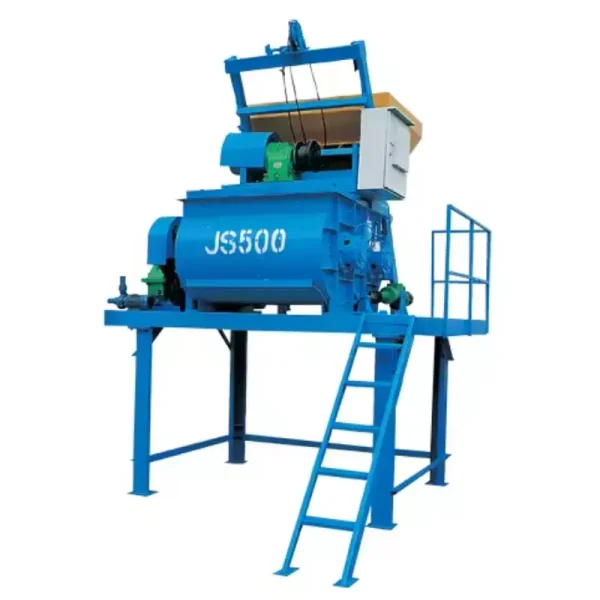
- ミキシング: 計量された材料は、強力な高強度ミキサーに投入される。標準的な回転ドラム式コンクリートミキサーでは、ブロック製造に使用される硬くて水分の少ないミックスには不十分です。A パンミキサー または 二軸強制ミキサー is required. These mixers use rotating paddles or stars to force the materials to combine, ensuring that every particle of aggregate is evenly coated with cement paste. Water and any liquid admixtures are sprayed into the mix at a precise moment and in a precise quantity. The mixing time is also critical—typically just a few minutes. Over-mixing can begin to grind down the aggregates, while under-mixing results in a non-uniform product. The goal is to produce a homogenous mix with a crumbly, “earth-dry” consistency, ready for the block making machine.
第二幕:成形とハンドリングのクレッシェンド
これが創造の瞬間である。準備されたミックスは、ミキサーからQTシリーズまたは静的油圧式ブロックプレス機のホッパーに運ばれます。
- 成形: ミックスは金型に供給される。前のステップで説明したように、マシンはその後、振動や油圧による強力な締め固めサイクルを実行します。金型への充填からブロックの脱型まで、このサイクル全体は驚くほど速く、多くの場合15~20秒もかかりません。
- 脱型と積み重ね: As soon as the compaction is complete, the mold is lifted, and an array of freshly pressed “green” blocks are left standing on a steel or bamboo pallet. These green blocks are firm enough to hold their shape but are still fragile and have no significant strength. At this stage, they are like unbaked pottery.
- 自動化されたハンドリング: In a fully automatic line, the pallet with the green blocks is immediately pushed out of the machine and onto a conveyor system. An automated stacker, or “elevator,” then picks up these pallets and arranges them in a tall rack or “finger car,” often 10-15 pallets high. This entire process happens without direct human handling, minimizing the risk of damage to the fragile green blocks.
第3幕:治療のフィナーレ
機械から出てくる緑色のブロックは、まだ完成品ではない。機械的に圧縮されただけで、強度を与える化学反応(セメントの水和)は始まったばかりなのだ。養生とは、この化学反応を完了させるために、水分と温度を適切な状態にすることである。これはゆっくりと時間をかけて行われる忍耐強いプロセスであり、エコレンガの最終的な強度と耐久性を高めるためには絶対に欠かせないものである。不適切な硬化は、どんなに完璧に混合・成形されたブロックでも台無しにしてしまう可能性があります。
- 養生環境: The racks of green blocks are transported into a dedicated curing chamber or kiln. The goal of the curing chamber is to maintain a high-humidity environment (ideally >95% relative humidity) and a stable, warm temperature (typically 20-40°C). This prevents the water in the blocks from evaporating too quickly. If the water evaporates before the cement has fully hydrated, the chemical reaction stops, and the block will never reach its potential strength.
- 養生方法:
- 大気圧蒸気養生: 一般的な方法は、低圧蒸気を硬化室に導入することである。蒸気は水和反応を促進する熱と、水和反応を確実に継続させる水分の両方を供給する。これにより、十分なハンドリング強度を得るのに必要な時間を大幅に短縮することができる。
- 霧吹き/ミスト: もうひとつの方法は、ミストや霧吹きノズルを使い、蒸気の熱を加えることなく高湿度雰囲気を維持する方法である。これはより穏やかなプロセスだが、若干時間がかかるかもしれない。
- メンブレンの硬化: 場合によっては、ブロックをプラスチックシートで覆って湿気を閉じ込め、各スタックに微小環境を作ることもできる。これは、大量の自動化工場ではあまり一般的ではない。
- 硬化時間: ブロックは通常、12時間から24時間、硬化室に置かれる。この間にブロックは十分な強度を獲得し、安全に取り扱ったり取り外したりできるようになる。しかし、水和プロセスは長時間続きます。ブロックは数週間から数ヶ月にわたって強度を増し続けます。通常、7日後には最終設計強度の約70%、28日後には約95~99%に達します。この28日強度は、建設業界で試験や認証に使用される標準的な基準です。
After the initial curing period, the racks are removed from the chamber. A “depalletizer” or “cuber” automatically unstacks the pallets, pushes the now-hardened blocks off the pallet, and arranges them into neat cubes for storage in the yard. The empty pallets are cleaned, oiled, and returned to the start of the production line to receive a new batch of green blocks. The cycle is complete. The result is a yard full of high-quality eco-bricks, a testament to a well-executed production process, ready to be shipped to build the sustainable cities of tomorrow.
ステップ7:信頼の醸成-品質管理、認証、市場への浸透
最も効率的な生産ラインや、最もエレガントな建設廃材からのエコ・レンガ・ソリューションを持っていても、顧客がその製品を信頼しなければ、ビジネスは失敗する。この旅における最後の、そしておそらく最も永続的なステップは、信頼を築くことである。これは、厳格な社内品質管理、公的な第三者認証の取得、賢い市場参入戦略の実行を組み合わせることで達成される。あなたは単にブロックを売っているのではなく、新しいタイプの建築資材の安全性、耐久性、性能に対する自信を売っているのです。
内部品質管理:信頼の基礎
品質管理はラインの最後に行うものではなく、オペレーションのあらゆる段階に浸透していなければならない哲学である。それは、一貫性を確保し、大きな問題になる前に逸脱をキャッチすることを可能にする継続的なフィードバック・ループである。品質管理プログラムには以下が含まれる:
- 原材料の検査: Regularly test incoming C&D waste for contamination. Systematically test your processed aggregates for grading, cleanliness, and absorption. Any change in your raw materials may require a slight adjustment to your mix design.
- ミックスの一貫性チェック: 定期的にミキサーからウェットミックスのサンプルを採取し、含水率と均一性をチェックする。これにより、バッチプラントが正しく稼動していることが確認される。
- グリーンブロック検査 Visually inspect the blocks as they come off the machine. Check for uniform dimensions, sharp edges, and any surface defects like cracks or crumbling. This is an early indicator of a problem with the mix or the machine’s settings.
- 体系的な強度試験: This is the most crucial part of your QC program. Every day, you must take a random sample of finished blocks from the previous day’s production. After they have cured for the specified time (e.g., 7 days and 28 days), you must test their compressive strength using your own in-house compression testing machine. The results should be meticulously recorded and plotted on a control chart. This chart will show you the average strength and the variability of your production. If the strength starts to trend downwards or becomes erratic, it is a clear signal that you need to investigate and correct the cause.
- その他の特性試験: 定期的に、吸水率や密度など他の主要な特性もテストし、目標仕様の範囲内であることを確認する必要があります。
品質に対する社内の絶え間ない集中は、あなたの最初の防衛線です。それは、あなたが製品について他の誰よりも知っていることを保証し、あなたが本物の自信を持ってそれを支持することを可能にします。
外部検証:認証シール
While internal QC builds your own confidence, third-party certification builds your customers’ confidence. Architects, engineers, and builders rely on established standards and building codes to ensure the safety and integrity of their structures. To sell your eco-bricks, you must prove that they meet these standards.
- ローカルスタンダードを特定する: 最初のステップは、ターゲットとする市場におけるコンクリート製石積みユニットの関連する国または地域の建築基準(例えば、多くの地域におけるASTM規格、英国規格、東南アジアや中東諸国における特定の国家規格)を調査することである。これらの規格には、ブロックのクラス(耐荷重と非耐荷重など)ごとに、最低必要圧縮強度、最大吸水率、寸法公差などが規定されている。
- サードパーティのラボを利用する: You will need to submit samples of your eco-bricks to an accredited, independent testing laboratory. They will perform the official tests according to the procedures laid out in the standards. Their official report will serve as objective proof of your product’s performance.
- 製品認証の取得: Once you have a body of successful test reports, you can often apply for a product certification mark from a national standards body or a recognized building materials certification agency. Having this “seal of approval” on your product data sheets and marketing materials is incredibly powerful. It tells engineers and regulators that your product has been independently verified and can be specified with confidence.
- グリーン・ビルディング・ラベル さらに一歩進んで、LEED(Leadership in Energy and Environmental Design)のようなグリーンビルディングプログラム、または各地域の同等のプログラムによる認証を取得しましょう。御社の製品はリサイクル原料を使用し、体積二酸化炭素排出量が少ないため、建設プロジェクトがこれらの権威あるグリーン認証のポイントを獲得するのに役立ち、持続可能性を重視するデベロッパーにとって御社のエコレンガはさらに魅力的なものとなります。
市場への浸透:レンガを売るのではなく、ソリューションを売る
品質管理され、認証された製品があれば、市場に出る準備は整っている。あなたの戦略は、教育と関係構築に重点を置くべきです。
- ターゲットを絞ったアウトリーチ 最初の顧客は、あなたが提供する価値を最も高く評価してくれる人であるべきだ。これには以下が含まれる:
- 建築家とエンジニア They are the specifiers. Provide them with clear, professional technical data sheets, test reports, and certification documents. Host seminars or “lunch-and-learn” sessions to explain the science and benefits of your eco-bricks from construction waste solution.
- 持続可能性を重視する開発者 グリーンビルディングに公約している不動産開発業者を探しましょう。あなたの製品は彼らのブランドにぴったりで、持続可能性の目標達成に貢献できます。
- 政府プロジェクト: 公営住宅、学校、インフラ・プロジェクトは、リサイクル材料の使用を義務付けたり、優遇したりするグリーン調達方針の対象となることが多い。これらは優れたアンカー顧客となりうる。
- 実証プロジェクト: Seeing is believing. Partner with a willing contractor to build a small demonstration structure—a wall, a small shed, or even a house—using your eco-bricks. This provides tangible proof of the product’s appearance and workability and makes for a powerful case study.
- 二重の価値提案を強調する: マーケティング・メッセージは明確で説得力のあるものでなければならない。あなたは単にレンガを提供しているのではありません。よりスマートなレンガを提供しているのです。それは エコノミック・スマート 価格競争力がある。それは エコ・スマート 廃棄物を資源に変え、埋立地を節約し、建設に伴う二酸化炭素排出量を削減する。この二重のメッセージは、顧客の経済的動機と倫理的動機の両方に訴えるものです。
品質に対する評判を綿密に築き、認められた認証を通じてそれを証明し、自社の価値を賢く伝えることで、市場への浸透を成功させることができる。エコ・レンガを斬新な代替案から、好まれ信頼される建築材料へと変貌させ、廃棄物から富への循環を完成させるのです。
よくある質問(FAQ)
1. How does the strength of eco-bricks made from C&D waste compare to traditional concrete blocks?
よく練り込まれた再生骨材、正確な配合設計、高性能の骨材を使用して正しく製造された場合、その品質は保証される。 ブロック製造機エコ・レンガの圧縮強度は、従来のコンクリート・ブロックの基準を満たすか、あるいは上回るように設計することができる。重要なのは、骨材の準備から養生に至るまで、厳格な工程管理である。非荷重用途と荷重用途の両方の要件を満たすように製造することができます。
2.建設廃材からのエコレンガは採算が合うのか?
Yes, the business model is designed for profitability. Profit is driven by two main factors: lower input costs, as the primary raw material (C&D waste) is significantly cheaper than virgin aggregates and can even generate revenue through tipping fees, and selling a high-demand product (building blocks) in a market with constant construction activity. Efficiency gains from using automated machinery like the QTシリーズ 生産量を増やし、人件費を削減することで、収益性をさらに高める。
3.エコ煉瓦は防水性ですか、または濡れた環境での使用に適していますか?
エコ・ブロックの耐水性は、従来のコンクリート・ブロックと同様、主にその密度とセメント・ペーストの質によって決まる。低い水対セメント比で製造され、圧縮機を使って高密度に圧縮されると、耐水性が向上する。 静油圧ブロックプレス機 または振動ベースのシステムで、ほとんどの建築用途に適した低吸水率を示す。完全な防水が必要な用途では、外部シーラントや膜を塗布するのが一般的で、ほとんどの石積み建築では標準的な方法である。
4.エコレンガ製造工場を立ち上げる際の最大の課題は何ですか?
The most significant initial challenge is often securing a consistent and relatively clean supply of C&D waste. This requires establishing strong logistical partnerships with demolition and construction companies. The second major challenge is the initial capital investment in high-quality processing and manufacturing equipment. However, investing in reliable machinery is essential for producing a consistent, high-quality product that can be certified and trusted by the market.
5.エコレンガを製造・販売するには特別な許可が必要ですか?
Yes, in nearly all jurisdictions, you will need standard business and manufacturing permits. More specifically, you will need to have your product tested and certified to meet the local or national building codes for masonry units. This certification is not a barrier but a necessary step to prove your product’s quality and gain access to the professional construction market.
6. How much C&D waste can actually be recycled into eco-bricks?
A significant portion of C&D waste, primarily the mineral components like concrete, bricks, tiles, and masonry, is suitable for recycling into aggregates for eco-bricks. These materials often constitute over 50% of the total C&D waste stream. The success of an eco-bricks from construction waste solution lies in its ability to divert this massive volume of material from landfills and upcycle it into a valuable new product.
7.エコレンガの色はコントロールできますか?
もちろん。レンガの自然な色は、使用するセメントと再生骨材の色に依存しますが、混合段階で酸化鉱物顔料を加えることができます。これにより、赤、黄、茶色、黒など、幅広い色調のエコ・レンガを製造することができ、特に敷石やフェイシング・レンガのような製品では、美的価値と商業的価値を大きく高めることができる。
結論
瓦礫の山から、精密に設計されたエコ・レンガのパレットへと至る道のりは、「今日の課題は明日の資源に変えることができる」という強力なアイデアの証である。建設廃材からのエコ・レンガ・ソリューションは、単なる巧妙なリサイクル方法ではなく、東南アジア、中東、そしてそれ以外の地域の建設業界が直面している根本的な経済的・環境的圧力に対処する包括的なビジネス・モデルである。それは、より持続可能な実践に対する緊急のニーズへの対応であり、過去の直線的で無駄の多いモデルを、未来のための循環的で再生可能なシステムに変えるものである。
この旅は、7つの明確なステップを通じて探求してきたように、技術的な正確さ、科学的な理解、戦略的な計画のひとつである。それは、他者が無駄と考えるところに価値を見出すという認識の転換から始まる。加工と配合の厳格なエンジニアリングを経て、瓦礫はハイスペックな素材へと丹念に改良される。そして最終的には、高度な製造技術(強力で効率的な製造技術)を導入することになる。 ブロック製造機 この工場は、入念に設計されたミックスを、たゆまぬ努力で一貫した高品質の製品に変える、作業の中心的な役割を担っている。
この事業の成功は偶然ではない。それは品質管理の基礎の上に築かれ、認証によって検証され、明確な価値のメッセージとともに市場にもたらされる。機械だけでなく、知識への投資も必要だ。このアプローチを取り入れることで、起業家も既存企業も、収益性の高い企業を築くだけでなく、より強靭で、資源に富み、持続可能な建築環境の発展に不可欠なプレーヤーとなる機会を得ることができる。より良い世界を築くための素材は、文字通り私たちの身の回りにあり、リメイクされるのを待っている。