

レンガ製造機の種類:建設生産戦略に最適なソリューションは?
1月 14, 2026
The different Types of Brick Machines are designed to meet very different production goals, from small-scale local building projects to fully automated industrial manufacturing. Choosing the right type depends on output capacity, material availability, labor strategy, and long-term return on investment. For contractors, developers, and infrastructure suppliers, understanding these machine types is not just a technical exercise but a strategic business decision that directly affects cost control, quality consistency, and scalability.
This article provides a practical, buyer-focused overview of the Types of Brick Machines, explaining how each category works, where it performs best, and how real production scenarios influence equipment selection.
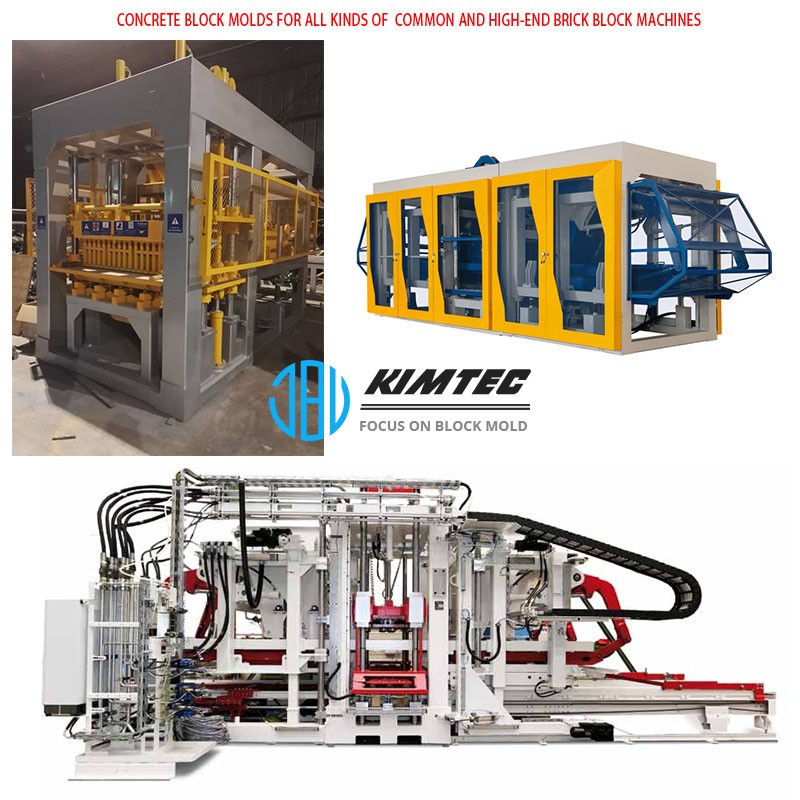
How Brick Machines Are Classified in Industrial Manufacturing
The Types of Brick Machines are generally classified based on automation level, forming method, and raw material compatibility. While they all aim to produce standardized masonry units, the technology behind them varies significantly.
At a basic level, brick machines fall into three broad categories: manual or semi-automatic systems, fully automatic production lines, and specialized machines designed for specific materials such as concrete, fly ash, or clay. Each category reflects a different balance between labor input, production speed, and capital investment.
For example, a small regional contractor producing blocks for local housing may prioritize simplicity and low upfront cost, while a large construction materials supplier serving infrastructure projects requires high throughput and uniform quality across millions of units.
Understanding these distinctions helps decision-makers avoid underinvesting in capacity or overpaying for unnecessary automation.
Manual and Semi-Automatic Brick Machines for Entry-Level Production
Manual and semi-automatic machines represent the most accessible segment among the Types of Brick Machines. These systems rely heavily on human operation for feeding materials, demolding, and stacking.
From a technical standpoint, they use basic vibration and compression mechanisms to form bricks or blocks. Output is relatively low, typically suitable for small workshops, rural construction projects, or markets with low labor costs.
The key advantages include:
- Low initial investment
- Simple maintenance requirements
- Minimal training needed for operators
However, limitations become apparent as demand grows. Inconsistent compaction, slower cycle times, and reliance on skilled labor can restrict scalability. For buyers planning future expansion, these machines often serve as a temporary solution rather than a long-term production platform.
Automatic Brick Machines and High-Efficiency Production Lines
Fully automated systems dominate modern industrial brick manufacturing. Among the Types of Brick Machines, these offer the highest output, precision, and operational stability.
An advanced 自動レンガ製造機 integrates batching, mixing, molding, curing, and stacking into a synchronized workflow. Programmable logic controllers ensure consistent pressure, vibration frequency, and cycle timing, resulting in uniform brick dimensions and strength.
These systems are ideal for:
- Commercial construction material suppliers
- Government infrastructure projects
- Export-oriented block manufacturers
While the upfront investment is higher, the reduced labor cost, improved quality control, and predictable output often deliver superior long-term returns. Automation also supports compliance with international building standards, which is increasingly important for cross-border projects.
Block Making Machines for Concrete and Cement-Based Products
Concrete-based systems represent a major segment within the Types of Brick Machines. A professional ブロック製造機 is engineered to handle dense mixtures and high-pressure molding, producing solid blocks, hollow blocks, and paving units.
These machines typically feature:
- Heavy-duty frames
- High-frequency vibration systems
- Interchangeable molds for multiple product types
Concrete blocks are widely used due to their strength, durability, and compatibility with modern construction methods. For buyers serving urban development, industrial facilities, or infrastructure projects, concrete block machines often become the backbone of production.
The ability to switch molds also allows manufacturers to diversify product offerings without purchasing additional equipment, improving asset utilization.
Integrated Brick and Block Production Lines
For large-scale manufacturers, individual machines are often replaced by fully integrated production systems. A modern コンクリートブロック製造ライン connects raw material handling, forming, curing, and palletizing into a continuous process.
From a systems engineering perspective, these lines are designed to minimize bottlenecks and reduce material waste. Automated conveyors and curing chambers ensure consistent environmental conditions, which directly influence compressive strength and dimensional accuracy.
This type of setup is best suited for:
- High-volume regional suppliers
- Industrial parks and economic zones
- Projects with strict delivery schedules
Although system complexity increases, centralized control and data monitoring enable predictive maintenance and operational optimization, which are increasingly valued by professional buyers.
Comparing the Main Types of Brick Machines
| Machine Type | オートメーション・レベル | 典型的な出力 | Ideal Buyer Profile |
|---|---|---|---|
| Manual / Semi-Automatic | Low to medium | Low | Small contractors, local workshops |
| Automatic Brick Machine | 高い | Medium to high | Commercial suppliers, developers |
| Concrete Block Machine | Medium to high | Medium | Urban construction material producers |
| Integrated Production Line | Fully automated | Very high | Large-scale industrial manufacturers |
This comparison highlights how equipment selection should align with business scale rather than focusing solely on purchase price.
If you are evaluating which brick machine type best matches your production goals, consult our technical team here: Contact Kimberly Machinery
Operational Factors That Influence Machine Selection
Beyond machine type, several operational factors shape the final purchasing decision.
Raw material availability plays a critical role. Regions with abundant aggregates and cement often favor concrete-based systems, while areas with clay resources may consider alternative technologies.
Energy consumption is another factor. Modern machines are designed to reduce power usage per unit, but older or entry-level models may have higher operating costs over time.
Maintenance capability should also be considered. Advanced systems deliver higher output but require trained technicians and reliable spare parts supply. Buyers must assess whether their organization can support these requirements.
When evaluated together, these factors ensure that the selected brick machine delivers sustainable performance rather than short-term gains.
FAQ: Types of Brick Machines
Q1: What are the most common Types of Brick Machines used today?
The most common types include manual or semi-automatic machines, automatic brick making machines, concrete block machines, and fully integrated production lines.
Q2: Which brick machine type offers the fastest return on investment?
Automatic machines often provide the fastest ROI due to higher output, reduced labor costs, and consistent product quality.
Q3: Can one machine produce multiple brick sizes?
Yes, many modern machines support interchangeable molds, allowing flexible production without additional equipment.
Q4: Are automatic brick machines suitable for developing markets?
They can be, provided there is sufficient demand, stable power supply, and technical support infrastructure.
Q5: How do I choose the right machine type for my business?
Consider production volume, labor cost, material availability, and long-term expansion plans rather than initial cost alone.
Why Kimberly Machinery Is a Trusted Partner in Brick Manufacturing
Kimberly Machinery is a professional brick machine manufacturer dedicated to delivering reliable, scalable, and efficient production solutions for global construction markets. With deep expertise across all major Types of Brick Machines, Kimberly Machinery supports customers from initial equipment selection through installation and long-term operation.
By combining robust engineering, practical automation, and responsive technical support, Kimberly Machinery helps builders, developers, and material suppliers achieve consistent quality and competitive production costs. Whether you are launching a new facility or upgrading an existing line, Kimberly Machinery provides equipment designed for real-world manufacturing demands.
参考文献
- Wikipedia – Brick: https://en.wikipedia.org/wiki/Brick
- Wikipedia – Concrete block: https://en.wikipedia.org/wiki/Concrete_masonry_unit
- International Finance Corporation – Building Materials Overview