


ニュース
-

A Data-Backed Guide: What is the ROI of an Automatic Brick Machine in 2026?
読む もっと読むAbstract An examination of the return on investment (ROI) for automatic brick machines reveals a complex interplay of capital expenditure, operational efficiency, and market dynamics. For businesses in Southeast Asia and the Middle East, the acquisition of such machinery in 2026 represents a significant strategic decision. The analysis moves beyond a simple cost-benefit calculation to encompass a holistic view of the investment's value. It considers direct financial returns generated through increased production capacity and reduced labor dependency. It also evaluates indirect benefits such as enhanced product quality, material waste reduction, and improved workplace safety. The investigation explores how factors like raw material availability, local construction standards, and fluctuating energy costs […]
-

A Data-Backed 2026 Guide: How Profitable Is a Brick Making Business in Southeast Asia & the Middle East?
読む もっと読むAbstract An examination of the brick manufacturing sector in 2026 reveals a venture of considerable potential, contingent upon strategic planning and regional market dynamics. This analysis explores the profitability of establishing a brick making business, with a specific focus on the burgeoning construction markets of Southeast Asia and the Middle East. It investigates the financial architecture of such an enterprise, from initial capital outlay for machinery and land to the recurring operational expenditures of raw materials, labor, and energy. The profitability calculus is deconstructed by assessing production capacity, market pricing for concrete blocks, and projected revenue streams. The inquiry also considers the pivotal role of technology, comparing semi-automatic and fully […]
-
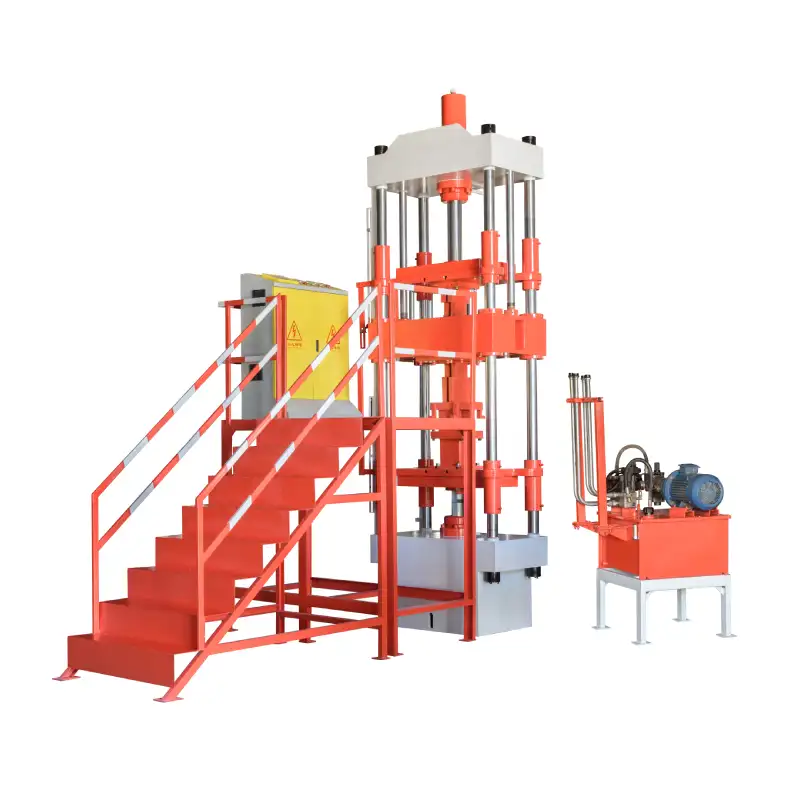
Expert 2026 Buyer’s Guide: 7 Key Insights on What Factors Affect Brick Machine Price for SEA & ME Markets
読む もっと読むAbstract The acquisition of a concrete block making machine represents a significant capital investment for construction enterprises, particularly within the burgeoning markets of Southeast Asia and the Middle East. The final brick machine price is not a monolithic figure but rather a composite influenced by a sophisticated interplay of technical, commercial, and logistical variables. An analytical examination reveals that the primary determinants of cost are the degree of automation, the specified production capacity and moulding cycle time, and the intrinsic quality of core components and raw materials used in the machine's construction. Further cost modulators include the versatility and customization of moulds, the necessity of integrating auxiliary equipment to form […]
-
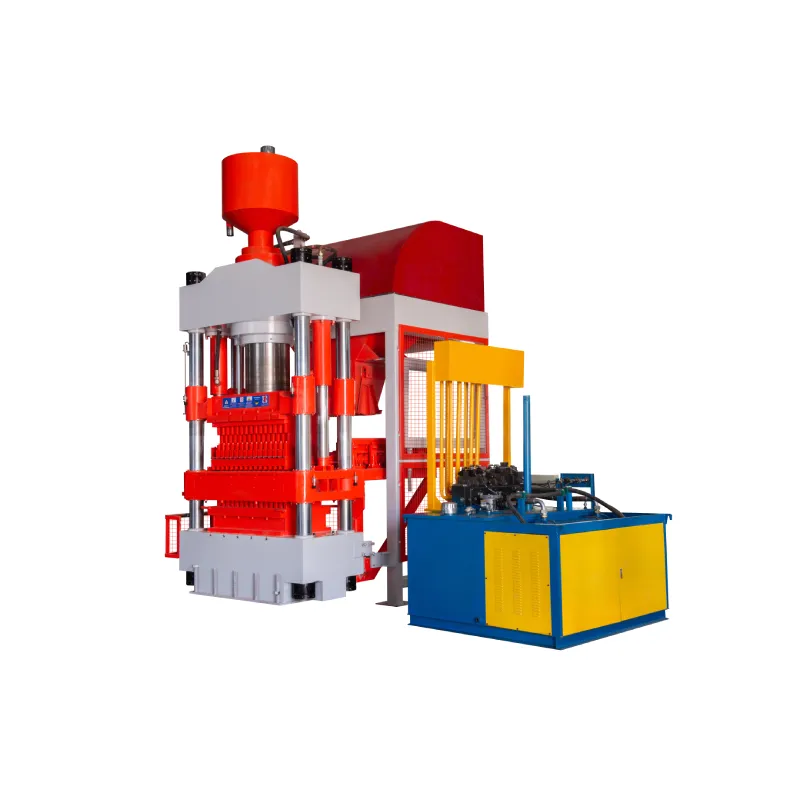
Data-Backed 2026 Guide: How Much Does a Brick Machine Cost? 7 Key Factors Revealed
読む もっと読むAbstract Determining the financial outlay for a brick-making machine in 2026 requires a multifaceted analysis that extends far beyond a simple price tag. The cost is contingent upon a spectrum of variables, with the level of automation serving as the primary determinant. Prices can range from as low as $3,000 for basic manual models to upwards of $100,000 for sophisticated, fully automated production lines. This investigation examines the pivotal factors influencing this price range, including production capacity, mould complexity, the quality of core components like hydraulic and PLC systems, and the inclusion of ancillary equipment. Specifically tailored for prospective buyers in Southeast Asian and Middle Eastern markets, this analysis provides […]
-
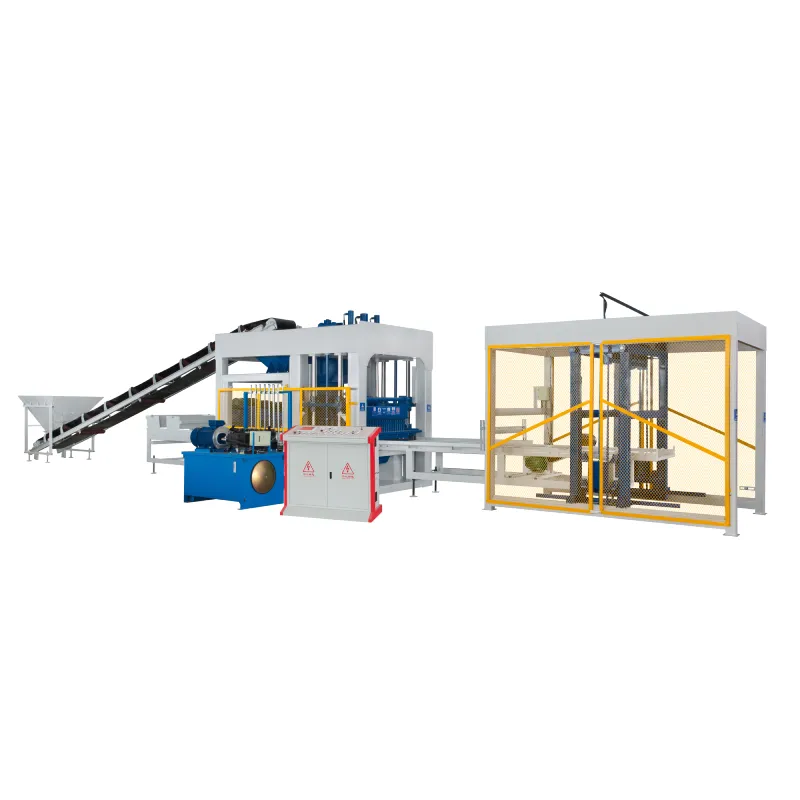
Data-Backed: 5 Key Brick Strength Influencing Factors to Master in 2026
読む もっと読むAbstract The compressive strength of concrete bricks is a foundational pillar of structural integrity, yet it is governed by a complex interplay of variables. This analysis examines the primary brick strength influencing factors, presenting a systematic exploration for producers, particularly in the rapidly developing markets of Southeast Asia and the Middle East. It posits that consistent, high-strength brick production is not a matter of chance but the outcome of meticulous control over five key areas. These include the judicious selection and proportioning of raw materials, the mechanical efficacy of the manufacturing and compaction process, the chemical and environmental management of curing, the geometric design of the brick unit itself, and […]
-
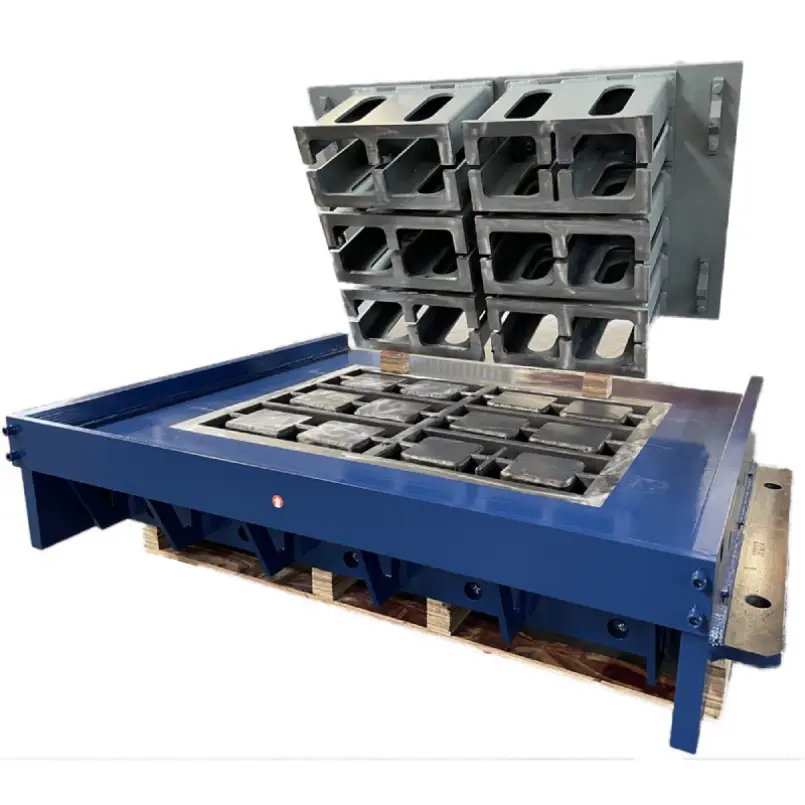
A Proven 5-Point Checklist: Evaluating Molding Accuracy Standards in 2026
読む もっと読むAbstract An examination of molding accuracy standards for concrete block manufacturing reveals a complex interplay between mechanical engineering, material science, and process control. The dimensional consistency of concrete blocks is not a product of a single machine function but rather the result of a harmonized system. This analysis investigates the constituent elements that determine the final precision of a concrete block, beginning with the structural integrity of the machine's frame and the metallurgical properties of the mold itself. It proceeds to deconstruct the role of automated control systems, particularly Programmable Logic Controllers (PLCs) and their associated sensors, in orchestrating the production cycle with repeatable exactitude. The dynamic forces of vibration […]
-
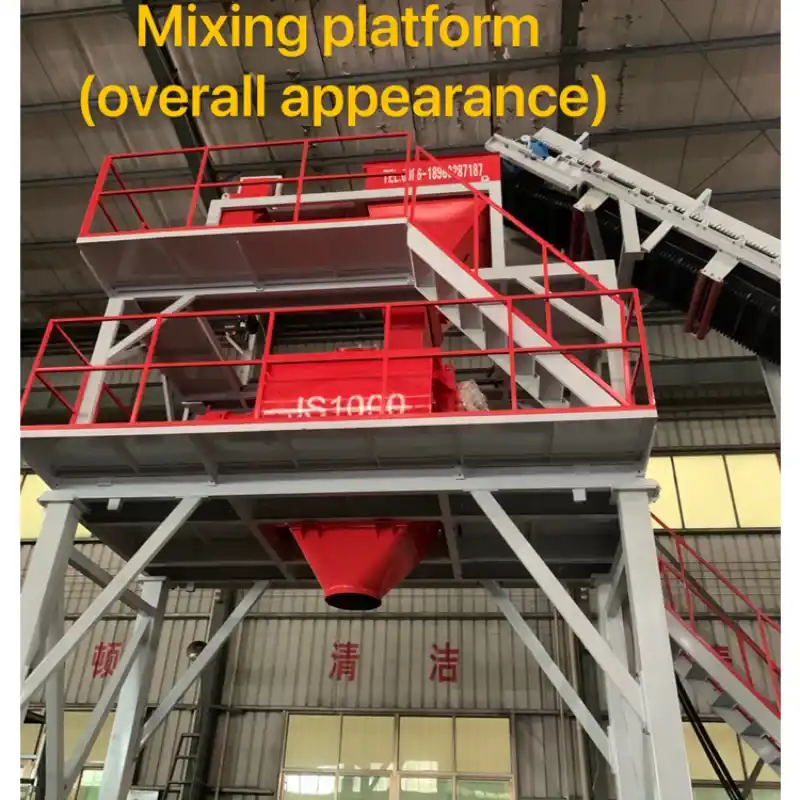
A Proven 5-Step Guide to Concrete Brick Mix Ratio Optimization: Cut Costs in 2026
読む もっと読むAbstract This analysis provides a comprehensive examination of concrete brick mix ratio optimization, presenting a systematic, five-step methodology for manufacturers in 2026. It moves beyond rudimentary volumetric recipes to a scientifically grounded approach centered on material science, performance testing, and process control. The core argument is that optimizing the mix is not a singular event but a continuous process of refinement that directly impacts product quality, operational efficiency, and financial viability. By scrutinizing the distinct roles of cement, aggregates, water, and admixtures, a framework for establishing performance-based specifications is developed. The discussion focuses on the practical challenges and material availability specific to Southeast Asian and Middle Eastern markets, including high […]
-
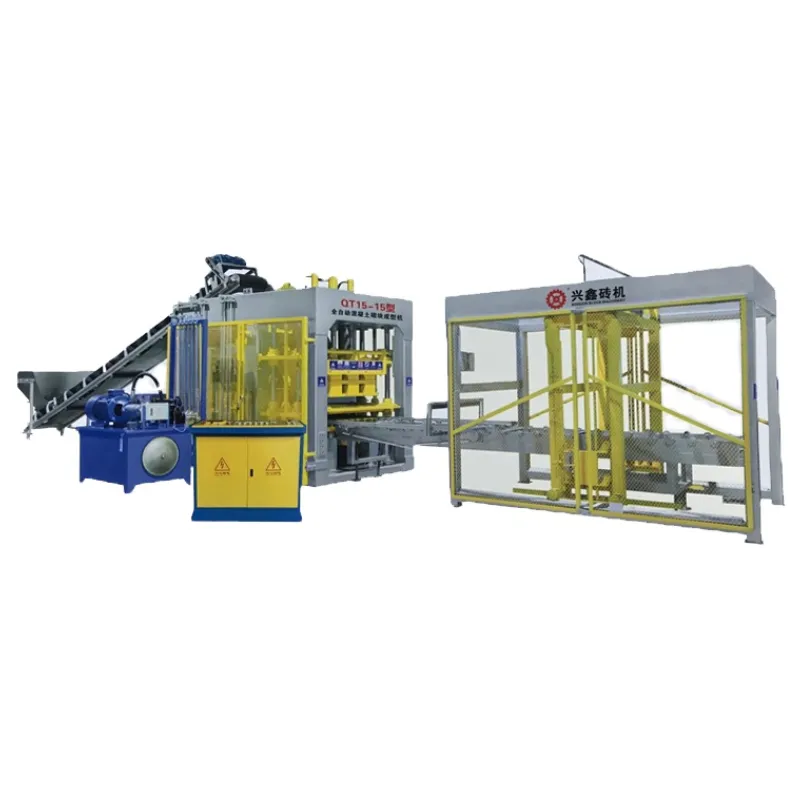
A Data-Backed Guide: 5 Factors Influencing Machine-made brick compressive strength
読む もっと読むAbstract The structural integrity of modern construction relies heavily on the quality of its constituent components, with machine-made bricks being a fundamental element. This document examines the multifaceted nature of machine-made brick compressive strength, a paramount indicator of a brick's ability to withstand loads without failure. It explores the five primary determinants influencing this property: the composition and quality of raw materials, the technical specifications of the manufacturing process, the specifics of the post-production curing regimen, methodologies for testing and quality assurance, and the impact of regional environmental conditions. An analysis of these factors reveals their deep interconnectedness. For instance, the efficacy of advanced block-making machinery, such as QT series […]
-
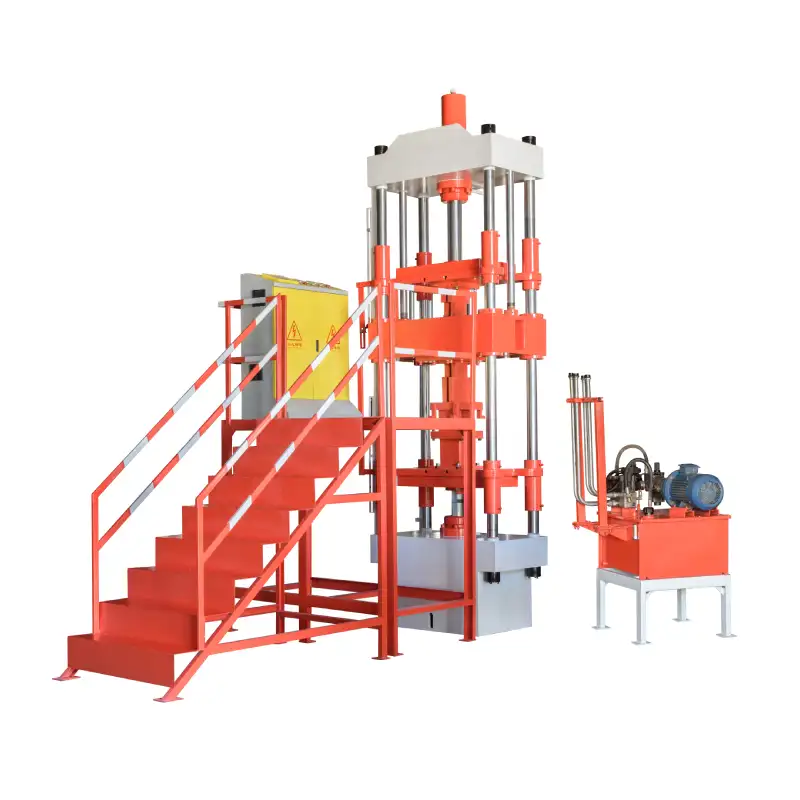
A Practical Guide to Fly Ash Utilization in Brick Machines: 5 Ways to Boost Your ROI in 2026
読む もっと読むAbstract The global construction industry, particularly in the rapidly developing regions of Southeast Asia and the Middle East, stands at a pivotal moment in 2026, facing dual pressures of resource scarcity and environmental accountability. This analysis examines the paradigm shift toward sustainable building materials, focusing specifically on fly ash utilization in brick machines. Fly ash, a byproduct of coal-fired power plants, presents a compelling alternative to traditional clay. When processed in modern hydraulic and vibratory press machines, such as the QT series, it yields high-performance building blocks with superior strength, insulation, and uniformity. This exploration delves into the material science, advanced manufacturing processes, economic models, and environmental benefits underpinning this […]
-
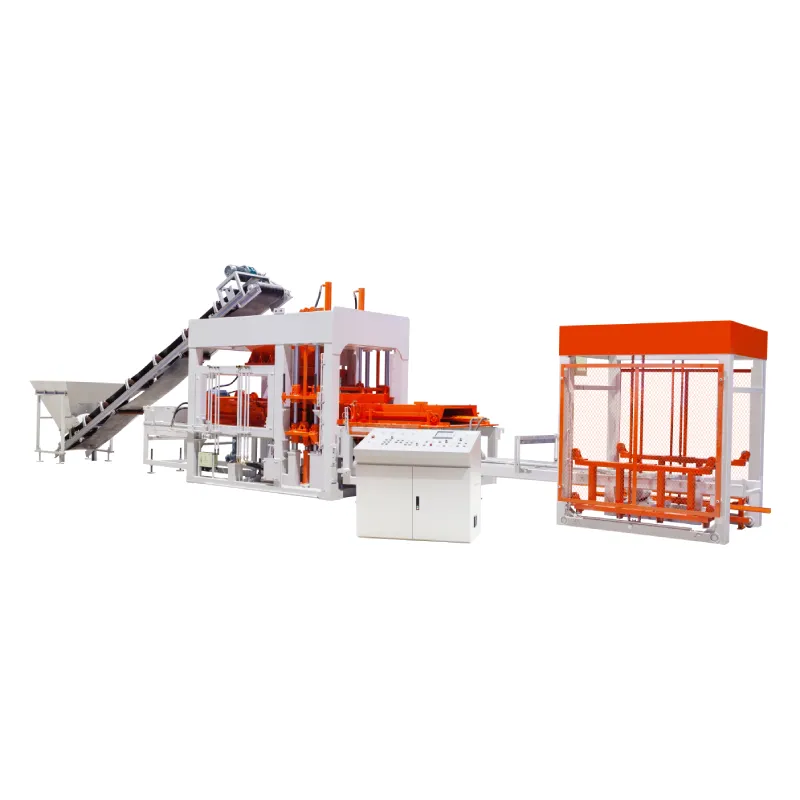
Expert Guide to Brick Raw Materials Composition: 7 Key Ratios for High-Quality Blocks in 2026
読む もっと読むAbstract The production of high-quality, durable bricks hinges on the precise formulation of their constituent raw materials. An optimal brick raw materials composition is not a universal formula but a carefully calibrated recipe that accounts for material science, economic constraints, and local environmental conditions. This guide examines the fundamental principles governing the selection and proportioning of materials for concrete block manufacturing, with a specific focus on challenges and opportunities within Southeast Asia and the Middle East. It analyzes the roles of primary components like cement, aggregates, and water, exploring the chemical and physical interactions that determine final product strength and longevity. Furthermore, it investigates the integration of supplementary cementitious materials […]