


Block Making Equipment for Complete Concrete Block Production Lines
Choosing the right block making machine depends on more than the machine model. Production capacity, block type, factory space, automation level, raw materials, pallet size, and required production line configuration all affect the final equipment choice.
Kimberly Machinery provides a range of block making machines for different production requirements, from compact hydraulic systems to high-capacity automatic production equipment. Compare our machine models, forming capabilities, molds, pallets, and auxiliary equipment to build a configuration that matches your project.
Whether you are setting up a new block factory, upgrading an existing production line, or expanding production capacity, Kimberly helps you identify the right equipment combination before requesting a quotation.
-
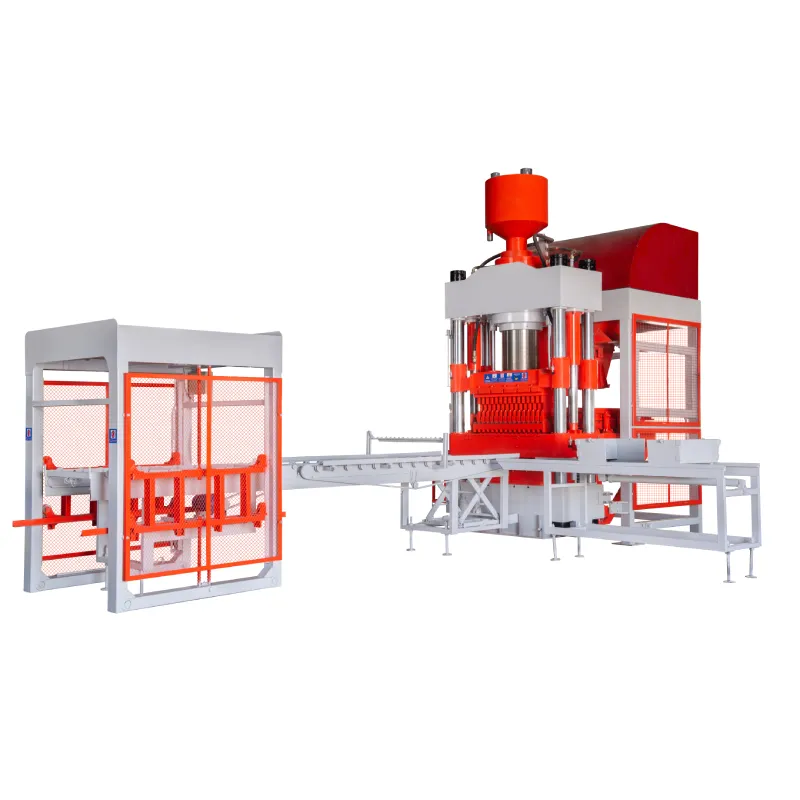
XX1000 유압 프레스기
-
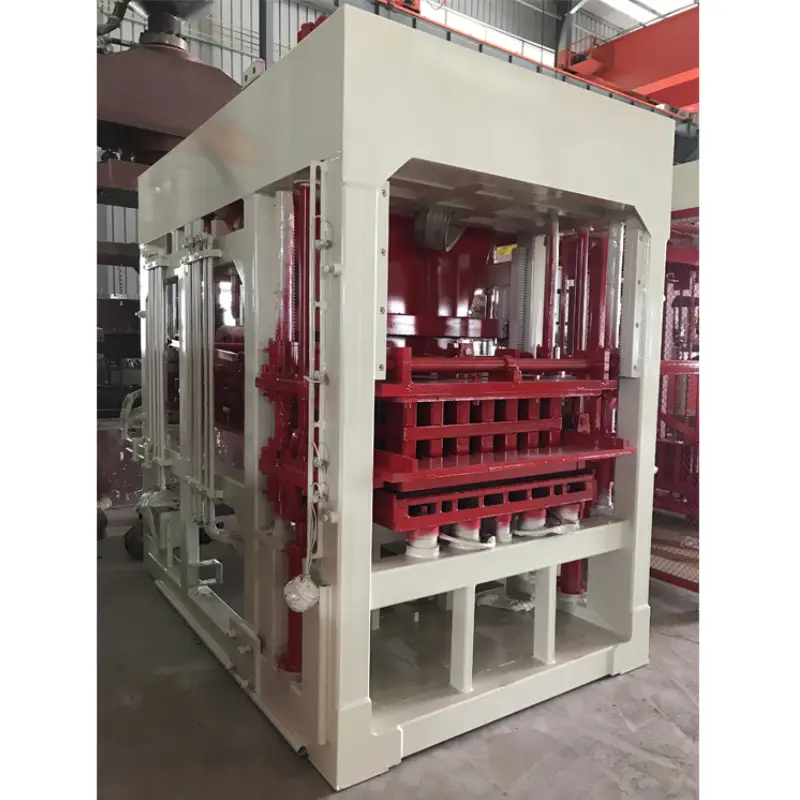
QT4-15 벽돌/블록 제작 기계
-
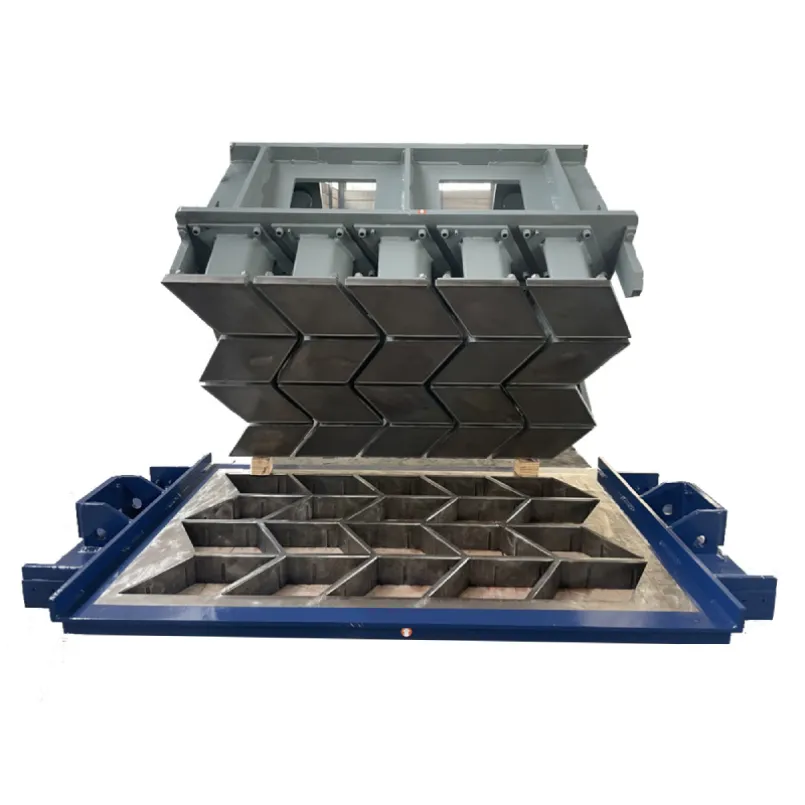
단단한 벽돌 몰드 슬래브 몰드 연석 빗물받이 돌 포장 돌 만들기
-

중국에서 연동 중공 콘크리트 블록 금형 금형 설계 금형 공급 업체
-
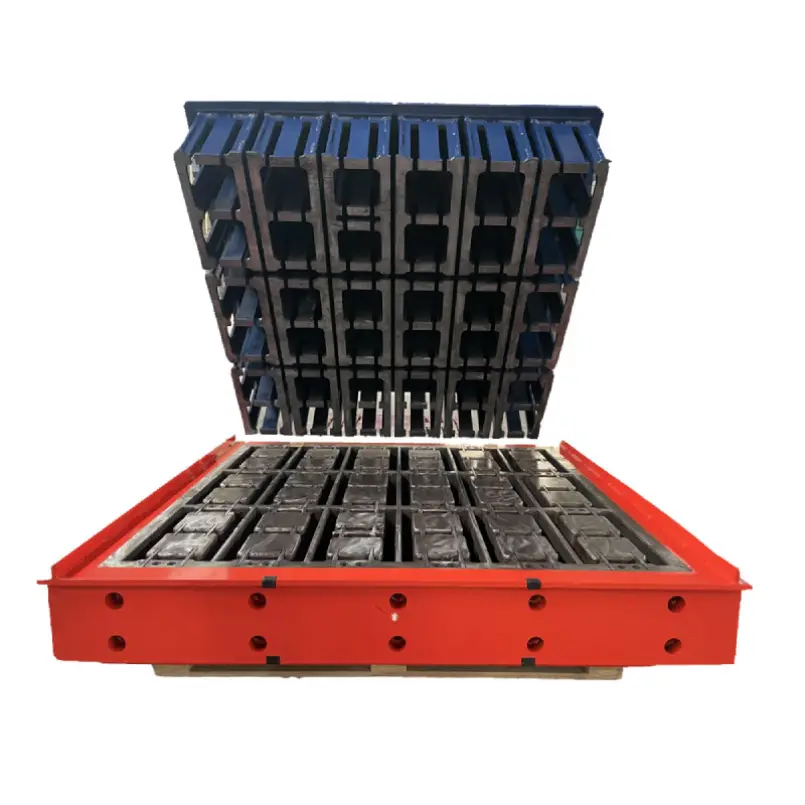
MASA HESS 성형 중공 블록 금형 중국 공급 업체
-
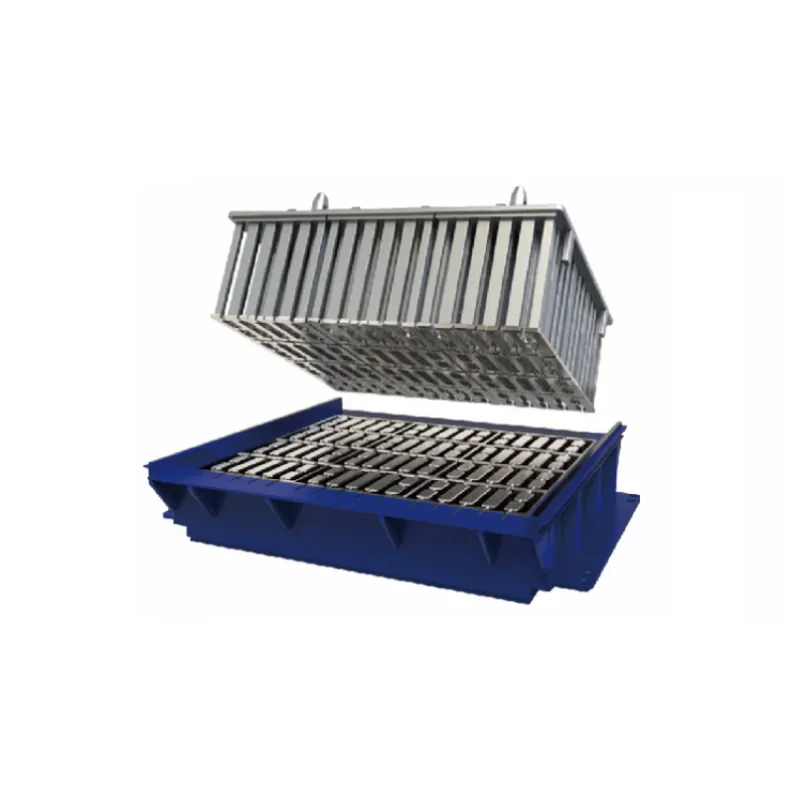
건축용 단열 중공 블록 몰드 몰드 몰드 몰드 몰드 몰드
-
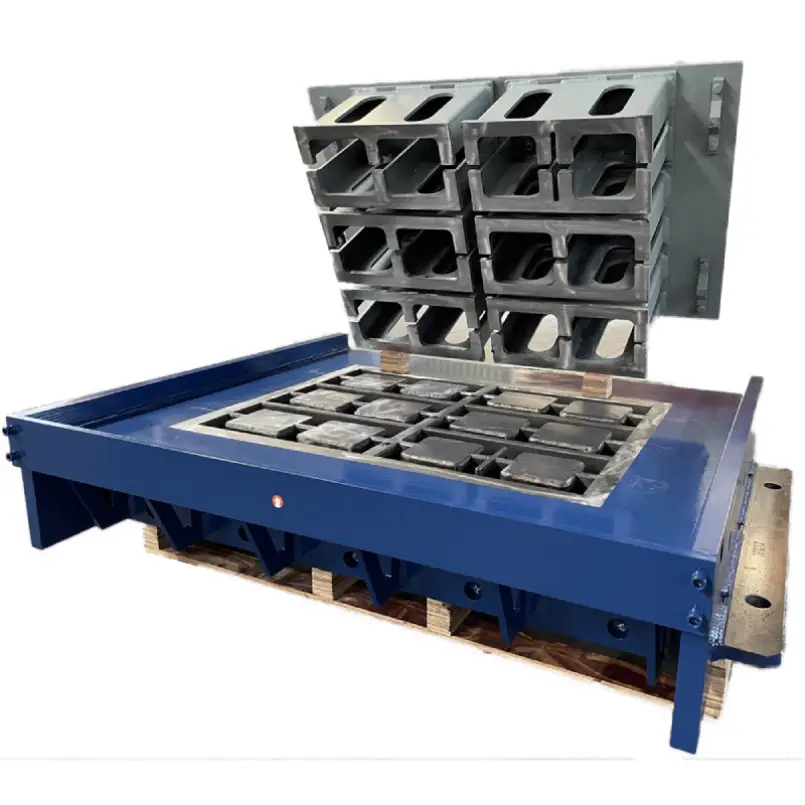
콘크리트 벽돌 기계 용 아워 디 잔디 돌 몰드 귀 천장 블록
-

중국 고급 포장 돌 천장 블록 금형 중공 블록 금형 공급 업체
-
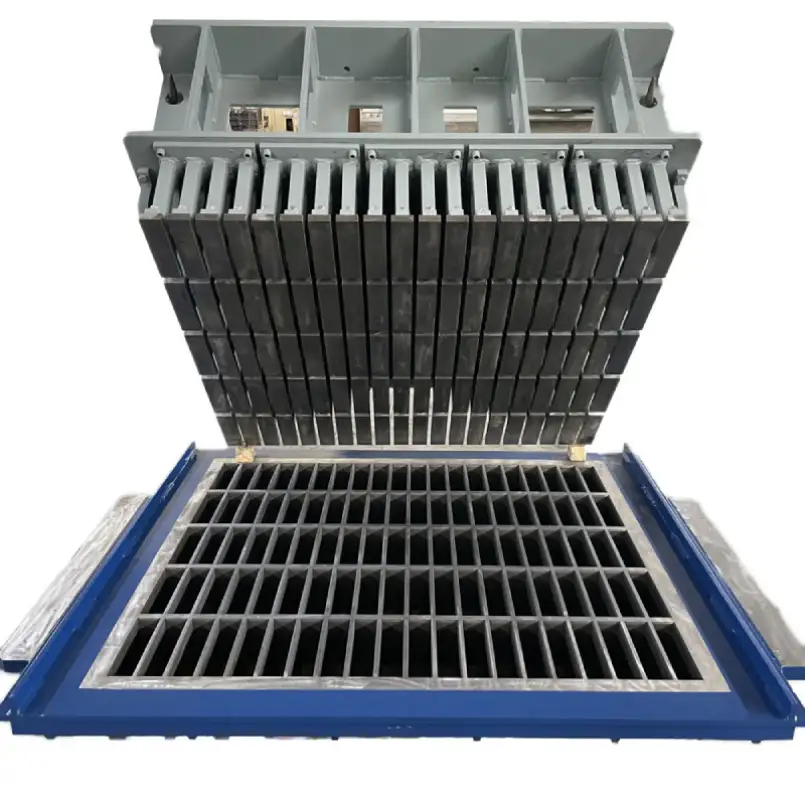
마사 헤스 타이거와 같은 벽돌 제조 기계 용 단단한 벽돌 금형 중공 블록 금형
-
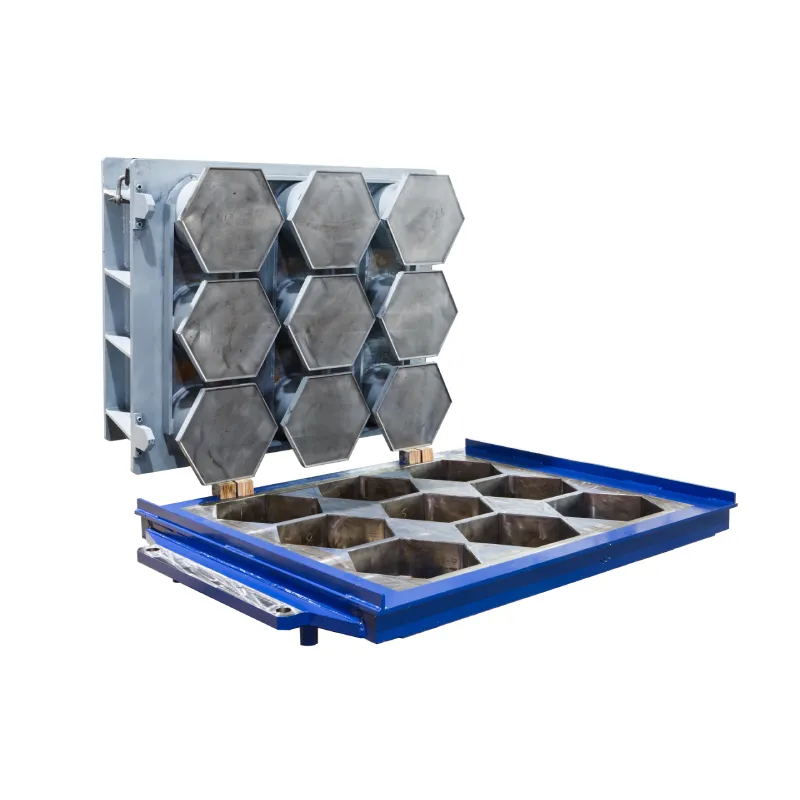
다양한 유형의 중공 벽돌 블록 몰드
-
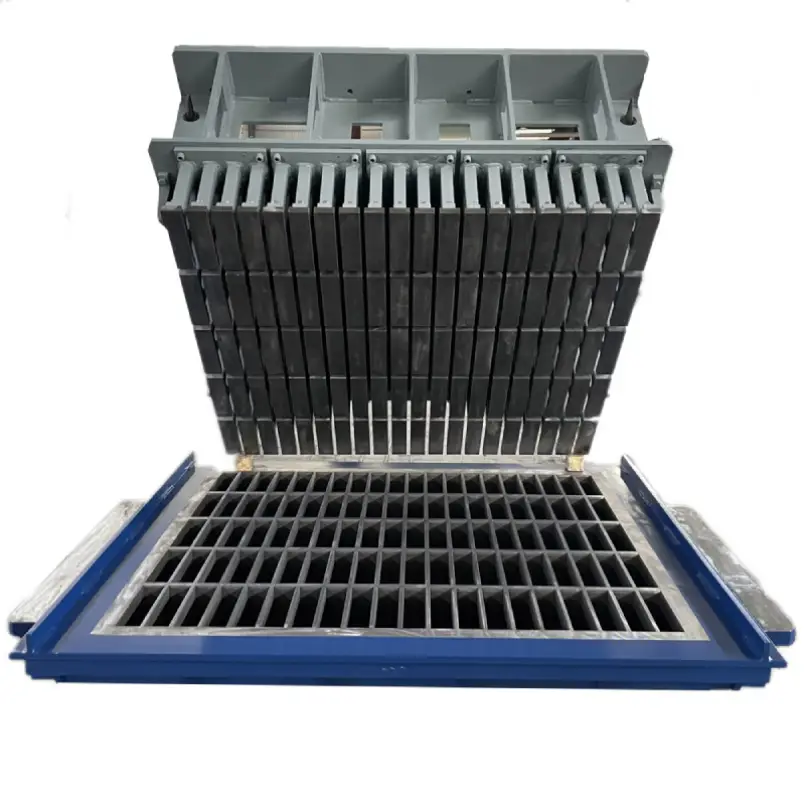
고급 중공 벽돌 블록 천장 포장 석재 인터록 빗물받이 슬래브 및 MASS HESS TIGER ZENITH ETC 용 특수 금형
-
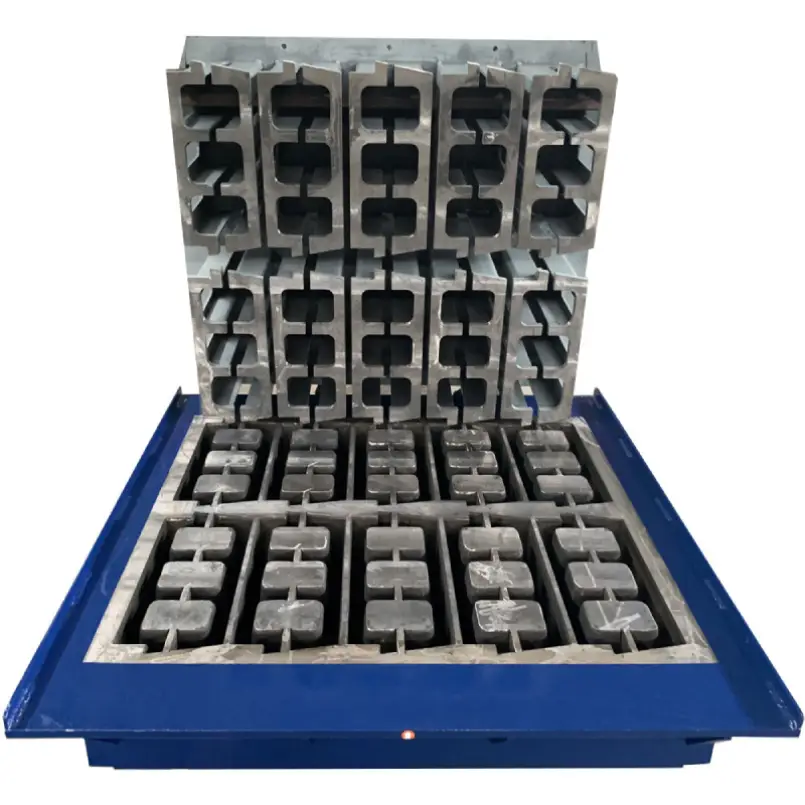
블록 벽돌 제조 기계 용 Hourdi Parpa Moule 콘크리트 블록 금형
Choose the Right Block Making Equipment for Your Project
A block production system normally includes more than one machine. The main forming machine determines the core production capability, while molds, pallets, batching and mixing systems, conveying equipment, curing systems, palletizing units, and packing equipment affect the efficiency of the complete operation.
Kimberly Machinery can supply the equipment required for different levels of production automation.
| Equipment Category | Main Function | Typical Selection |
| Block Making Machines | Form concrete products under vibration and pressure | QT4-15 to QT18-15 |
| Auxiliary Equipment | Support batching, mixing, conveying, palletizing and packing | Mixers, batching machines, cubers, packing machines |
| Block Molds | Determine product shape and dimensions | Hollow blocks, pavers, kerbstones, solid bricks |
| Pallets & Boards | Support fresh products during production and handling | GMT, PVC and other production boards |
This approach allows buyers to select the forming machine first and then configure the supporting equipment around the required production capacity.
Compare Block Making Machine Models
Different projects require different production capacities. A smaller factory may prioritize lower initial investment and simpler operation, while a large commercial plant may require higher output, automatic material handling, and integrated production systems.
The Kimberly QT series covers multiple production levels.
| 모델 | Production Level | Automation | Main Application |
| QT4-15 | Small to medium | Automatic | Hollow blocks, pavers, solid bricks |
| QT6-15 | Medium | Automatic | Concrete blocks and paving products |
| QT8-15 | Medium to large | Automatic | Hollow blocks, pavers and bricks |
| QT10-15 | Large | Automatic | High-volume block production |
| QT12-15 | Large | Automatic | Commercial block and paver production |
| QT15-15 | 높음 | Fully automatic line | Large-scale block manufacturing |
| QT18-15 | High-volume | Fully automatic | Large commercial production |
The correct model should not be selected by machine size alone. The actual output depends on the product dimensions, mold configuration, cycle time, pallet size, material formulation, and operating schedule.
For detailed technical specifications, visit the 콘크리트 블록 제작 기계 category.
Match Machine Capacity to Your Product
One block making machine can produce different concrete products by changing the mold configuration. This makes mold selection an important part of production planning.
For example, a machine may be configured to produce:
- Hollow concrete blocks
- Solid concrete bricks
- Porous blocks
- Paving blocks
- 연동형 포장재
- Kerbstones
- Permeable paving blocks
- Grass protection blocks
- Insulated blocks
The same machine can therefore serve different markets when the appropriate mold and production parameters are selected.
Instead of asking only “How many blocks can the machine produce?”, buyers should define the exact product first.
A practical selection process is:
Product type → Product dimensions → Mold configuration → Machine model → Cycle time → Daily production target
This gives a more reliable basis for equipment selection than using a single generic production figure.
What Type of Block Do You Want to Produce?
Your product range directly influences the machine and mold configuration.
Hollow Blocks
Hollow blocks are widely used for walls, partitions and general construction. Their dimensions and cavity configuration determine the required mold design and production capacity.
For factories focused on standard construction blocks, the QT series can be configured with suitable hollow block molds.
Solid Bricks
Solid concrete bricks require a different mold configuration from hollow blocks. They can be produced for walls, landscaping and other construction applications.
If solid bricks are part of your product portfolio, Kimberly can match the mold configuration with the selected machine.
Paving Blocks
Paving blocks require accurate forming and consistent dimensions because surface quality and dimensional stability directly affect installation.
For paving production, the machine should be evaluated together with the paving mold, pallet system and curing process.
연동 포장재
Interlocking pavers are commonly used for roads, sidewalks, courtyards, parking areas and landscaping. Their specific shape requires a dedicated mold configuration.
Kerbstones
Kerbstones are generally larger and require molds designed for their dimensions and handling requirements. The machine should therefore be selected according to the required product size and output.
For the full range of mold options, see our Block Molds category.
Select a Machine Based on Your Production Target
Production capacity is one of the first questions buyers ask when selecting a block machine. However, capacity should be calculated according to the actual product rather than using a universal blocks-per-day figure.
Consider these factors:
Target daily output
How many pieces do you need to produce per shift or per day?
Product dimensions
Larger blocks normally require different mold configurations and may produce fewer pieces per cycle.
Number of cavities
The number of products formed in one cycle affects hourly output.
주기 시간
The forming cycle determines how frequently the machine can complete a production cycle.
Working hours
An eight-hour shift and a 16-hour production schedule create very different annual production requirements.
Automation level
Automatic feeding, conveying, pallet handling, stacking and packing can significantly affect labor requirements and overall line efficiency.
For this reason, Kimberly recommends selecting a machine based on the complete production requirement rather than comparing machine models only by their nominal output.
Choose the Right Block Maker Machine for Your Factory
Factory conditions also influence machine selection.
Before purchasing a block making machine, check:
- Available workshop area
- Raw material storage space
- Production area
- Curing area
- Finished-product storage
- Power supply
- Material handling requirements
- Local labor availability
- Required automation level
- Transportation and installation conditions
A machine that fits the required production capacity may not be the right choice if the factory cannot accommodate its auxiliary equipment and material flow.
Kimberly can help evaluate the complete equipment configuration based on your available factory conditions.
Manual, Semi-Automatic or Fully Automatic Production?
Automation is another major selection factor.
Basic Production Setup
A basic configuration is suitable for buyers who need a simpler production process and want to control initial equipment investment.
The main machine can be combined with essential mixing, batching and material-handling equipment.
Semi-Automatic Production
Semi-automatic systems reduce manual handling while maintaining flexibility in production and operation.
They can be suitable for medium-scale factories where labor costs, production volume and investment need to be balanced.
Fully Automatic Production
Fully automatic systems integrate material feeding, forming, pallet handling, stacking and other production processes.
They are generally more suitable for high-volume production where consistent output and reduced manual intervention are priorities.
The right automation level depends on production volume, labor costs, available capital, factory conditions and the level of process control required.
Build a Complete Block Production System
The block making machine is the core of the production process, but it is only one part of a complete manufacturing system.
Depending on the project, the equipment configuration may include:
- Concrete batching machine
- Concrete mixer
- Block making machine
- Pallet feeder
- Conveyor system
- Block soaking machine
- Block palletizing cuber
- Packing machine
- Production pallets or boards
Kimberly supplies these supporting systems to help customers configure a complete production setup.
For complete production line configuration, see our 콘크리트 블록 생산 라인
Build the Right Machine + Mold + Pallet Combination
Machine selection should not be separated from mold and pallet selection.
The three components work together:
Machine
Determines the forming process, vibration and pressure capability, cycle time and compatible production range.
Mold
Determines the final product shape, dimensions, cavity configuration and product range.
Pallet
Supports the fresh products during production, transfer and curing.
A mismatch between these components can reduce production efficiency or create unnecessary replacement costs.
For example, a buyer planning to manufacture several types of paving products may need multiple molds while using the same core forming machine. A factory focused on standard hollow blocks may prioritize a different mold and pallet configuration.
This is why Kimberly recommends designing the machine, mold and pallet combination around the final product portfolio.
New Concrete Block Making Machines for Different Production Needs
Kimberly Machinery offers different models within the QT series to support changing production requirements.
The selection can start with the required output and then move toward machine size, automation, mold configuration and auxiliary equipment.
For a new factory, the decision should also consider future expansion. Selecting a machine with sufficient capacity for the initial market while leaving room for additional molds or auxiliary equipment can make later upgrades easier.
For an existing factory, upgrading the forming machine may not always be the only solution. Improving batching, material handling, pallet circulation, stacking or packing can also increase overall production efficiency.
Why Work With Kimberly Machinery?
Kimberly Machinery has almost 30 years of experience in concrete block making machine manufacturing.
The product range covers QT-series automatic block machines from QT4-15 to QT18-15, static hydraulic pressing machines, molds, pallets and auxiliary equipment.
Kimberly has supplied equipment to customers in more than 50 countries, including markets in Asia, the Middle East, Africa and other international regions.
Our company can support projects from machine selection and configuration to production line installation and commissioning.
This experience is particularly useful for buyers who need more than a standalone machine and require a coordinated production system.
What Should You Prepare Before Requesting a Quote?
To recommend a suitable machine, prepare the following information:
| Requirement | Information to Provide |
|---|---|
| Product | Hollow block, solid brick, paver, kerbstone or other |
| Product Size | Length × width × height |
| Target Output | Pieces per hour, shift or day |
| Production Schedule | Working hours per day |
| Automation | Manual, semi-automatic or fully automatic |
| Factory | Available workshop dimensions |
| 원재료 | Cement, sand, aggregate, fly ash, slag or other materials |
| Power Supply | Voltage and frequency |
| Market | Country and target application |
| Additional Equipment | Mixing, batching, palletizing, packing or other requirements |
The more complete the project information, the more accurately the machine configuration can be selected.
Frequently Asked Questions
What is a block making machine?
A block making machine is production equipment used to form concrete-based construction products under controlled pressure and vibration. Depending on the mold, it can produce hollow blocks, solid bricks, paving blocks, kerbstones and other concrete products.
What is the difference between a block machine and a block making machine?
In the machinery industry, “block machine” is commonly used as a shorter term for a block making machine. The two terms generally refer to the same type of equipment, although the exact machine configuration can vary.
Can one machine produce different types of blocks?
Yes. Many Kimberly machines can produce different products by changing the mold configuration. The compatible product range depends on the machine model, mold dimensions and forming parameters.
How do I choose the right block making machine?
Start with the product you want to manufacture and your target output. Then consider product dimensions, mold configuration, factory space, automation level, power supply, labor availability and supporting equipment.
What equipment is needed for a complete block production line?
A complete system may include batching equipment, a concrete mixer, block forming equipment, pallet feeding, conveying, curing, palletizing and packing equipment. The exact configuration depends on the required automation and production capacity.
Can Kimberly provide molds for the machine?
Yes. Kimberly supplies molds for different concrete products, including hollow blocks, paving blocks, kerbstones, interlocking pavers and other block products.
How can I get a suitable machine recommendation?
Send Kimberly your target product, product dimensions, required output, factory conditions, power supply and desired automation level. The technical team can then recommend a suitable machine and supporting configuration.
Get a Block Making Machine Recommendation
Choosing equipment by model number alone can lead to an unsuitable production configuration. Kimberly Machinery can evaluate your product requirements and help match the machine, mold, pallet and auxiliary equipment.
Tell us:
What do you want to produce?
How many pieces do you need to produce?
What is your factory size?
What level of automation do you need?
Based on this information, Kimberly can recommend a suitable block making machine and production configuration for your project.